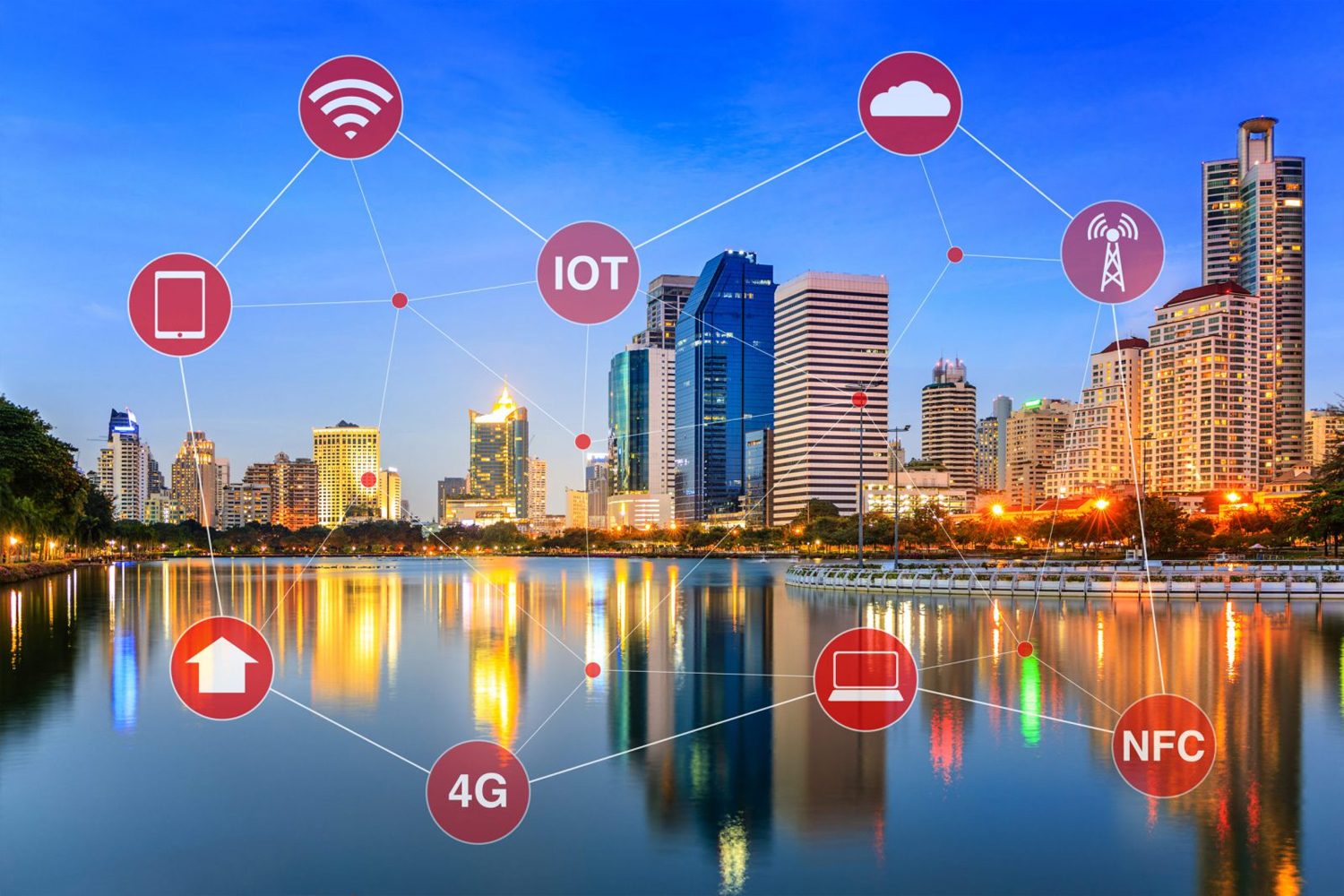




The Internet of Things (IoT) has become one of the most transformative technologies shaping the modern digital era. By connecting physical devices, sensors, and systems through the internet, IoT enables machines to collect, exchange, and analyze data without constant human involvement. From smart homes and healthcare to industries and cities, IoT applications are changing the way people live, work, and interact with technology.
The Internet of Things refers to a network of connected devices that communicate with each other and share information. These devices can include household appliances, vehicles, industrial machines, wearable gadgets, and infrastructure systems. Through sensors and software, IoT devices gather real-time data and use it to improve efficiency, automate tasks, and support better decision-making.
One of the most common applications of IoT is in smart homes. Connected home devices allow users to control lighting, security systems, appliances, and temperature settings through smartphones or voice commands. Smart thermostats can adjust energy usage based on user behavior, while smart security cameras provide real-time monitoring. These technologies improve convenience, safety, and energy efficiency in everyday life.
Healthcare is another major area where IoT is creating significant impact. Wearable devices such as smart watches and health monitors can track vital signs, activity levels, and overall wellness. Doctors can use connected medical devices to monitor patients remotely and provide timely care. IoT-based healthcare solutions help improve patient outcomes, support preventive care, and reduce pressure on healthcare facilities.
The industrial sector is experiencing major transformation through Industrial Internet of Things (IIoT) applications. Manufacturing companies use connected sensors and machines to monitor production processes, identify equipment issues, and improve efficiency. Predictive maintenance allows businesses to detect potential machine failures before they occur, reducing downtime and operational costs. IoT also supports automation and smarter manufacturing systems.
Agriculture is benefiting from IoT through smart farming technologies. Farmers use connected sensors to monitor soil conditions, temperature, moisture levels, and crop health. These insights help farmers make better decisions about irrigation, fertilization, and pest control. IoT-based agriculture improves productivity, reduces resource waste, and supports sustainable farming practices.
Transportation and logistics are also being transformed by IoT applications. Connected vehicles, GPS tracking systems, and smart transportation networks improve travel efficiency and safety. Logistics companies use IoT devices to monitor shipments, track locations, and maintain product quality during transportation. Smart traffic management systems help reduce congestion and improve urban mobility.
Smart cities represent one of the most advanced applications of IoT technology. Cities are using connected systems to manage lighting, waste collection, energy usage, and public services. Smart streetlights can automatically adjust brightness based on conditions, while connected waste systems can optimize collection schedules. These solutions help cities become more efficient, sustainable, and citizen-friendly.
Retail businesses are also adopting IoT to improve customer experiences. Smart shelves, connected payment systems, and inventory tracking devices help retailers manage products more effectively. IoT data allows businesses to understand customer behavior and provide personalized services. This improves operational efficiency and enhances shopping experiences.
Energy management is another important application of IoT. Smart meters and connected energy systems help monitor electricity usage in real time. Consumers can understand their consumption patterns and reduce unnecessary energy use. Energy companies can also improve grid management and support the integration of renewable energy sources.
IoT is playing a growing role in environmental monitoring as well. Connected sensors can track air quality, water conditions, weather patterns, and pollution levels. This data supports climate research, disaster management, and conservation efforts. Governments and organizations can use IoT insights to make better environmental decisions.
Despite its benefits, IoT adoption also faces challenges. Security and privacy concerns are major issues because connected devices collect large amounts of data. Weak security systems can create opportunities for cyber threats. Organizations must implement strong protection measures to keep IoT networks safe. Compatibility between different devices and the cost of implementation are also important considerations.
The future of IoT will involve deeper integration with artificial intelligence, 5G networks, and edge computing. AI can help IoT systems analyze data and make intelligent decisions, while faster networks will allow more devices to connect seamlessly. These advancements will expand IoT applications across industries.
In conclusion, the Internet of Things is transforming the world by connecting devices and enabling smarter solutions. From improving daily life through smart homes to enhancing industries, healthcare, agriculture, and cities, IoT applications are creating a more efficient and connected future. As technology continues to evolve, IoT will become an essential part of modern living and global innovation.