




The Future of Sustainability
How Businesses Are Turning Environmental Responsibility Into Strategy
Sustainability has evolved from a specialised environmental concern into a major consideration in business strategy, public policy, investment, and everyday life. Climate change, resource scarcity, waste generation, and biodiversity loss are encouraging organisations to reconsider how they produce goods, deliver services, and measure long-term success.
One of the most important developments is the growing emphasis on measurable environmental performance. Businesses are increasingly examining energy consumption, greenhouse gas emissions, water use, material efficiency, and waste management. Rather than relying solely on broad environmental commitments, organisations are under pressure to establish clear objectives and demonstrate progress through credible reporting.
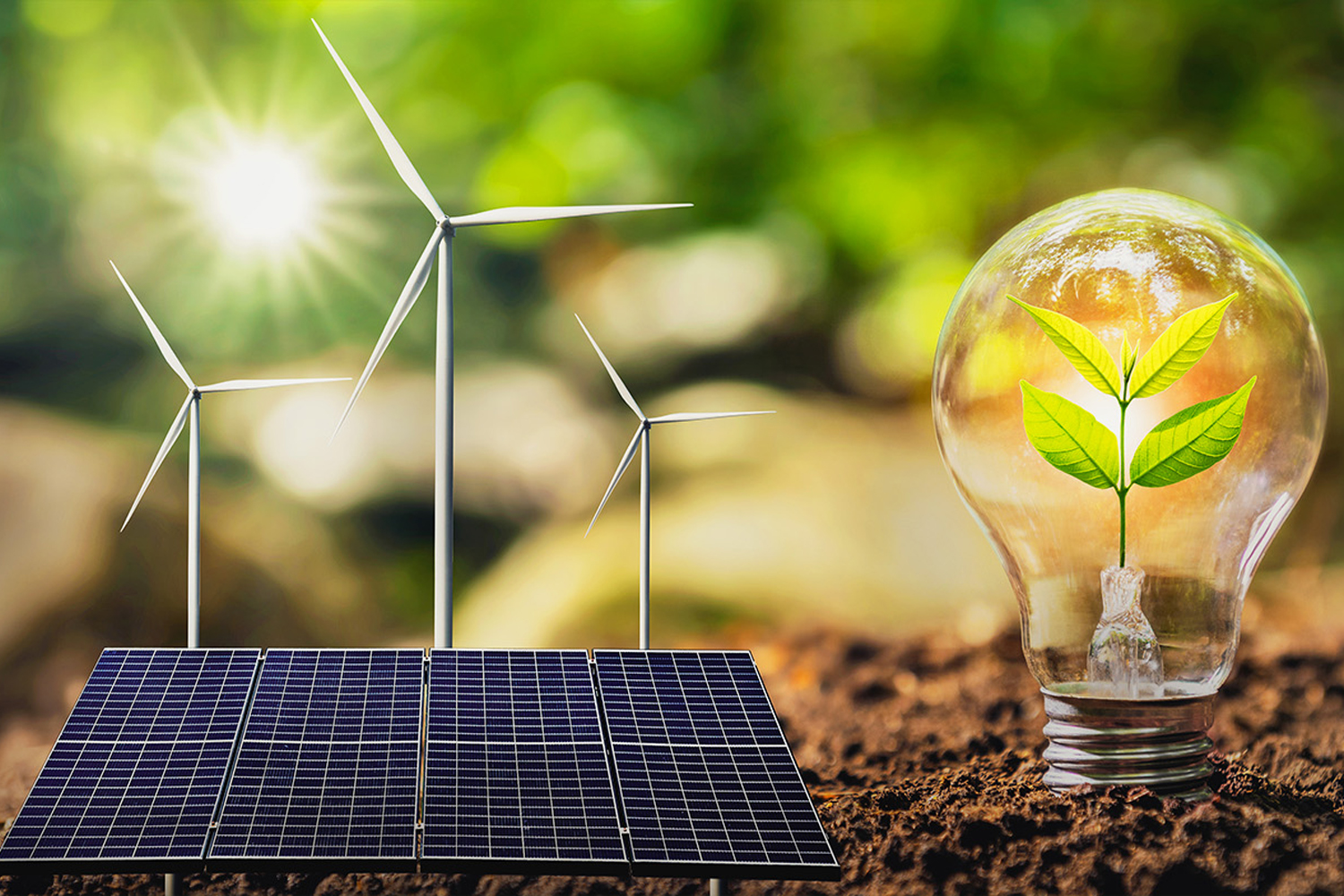
Renewable energy is central to this transition. Solar and wind power have expanded opportunities for businesses to reduce dependence on fossil fuels. Battery storage, improved electricity networks, and energy management systems can help integrate renewable sources into power systems. However, the transition also requires investment, suitable infrastructure, and careful management of electricity demand.
Energy efficiency is another practical priority. Buildings can reduce consumption through better insulation, efficient lighting, intelligent heating and cooling systems, and improved maintenance. Industrial facilities can identify energy-intensive processes and invest in equipment that delivers the same output with fewer resources. Such improvements may reduce both emissions and operating expenses.
The circular economy is gaining attention as an alternative to the traditional model of extracting resources, manufacturing products, and discarding them after use. Circular approaches seek to extend product life through durability, repair, reuse, refurbishment, and recycling. Businesses can explore take-back programmes, reusable packaging, and product designs that make materials easier to recover.
Technology is supporting sustainability efforts in several ways. Artificial intelligence can help analyse energy consumption and identify inefficiencies, while digital monitoring systems can track resource use across facilities. Satellite imagery and remote sensing can also support environmental monitoring in certain applications. The value of these tools depends on accurate data, transparent methods, and responsible implementation.
Sustainable supply chains are becoming increasingly important. A company’s environmental impact often extends beyond its own facilities to the materials it purchases, the products it transports, and the suppliers it depends on. Organisations are therefore assessing sourcing practices, transportation choices, packaging, and supplier performance.
Another major trend is the growing attention given to sustainable finance. Investors and financial institutions may consider environmental risks, regulatory exposure, and resource efficiency when evaluating businesses. Organisations that understand these factors can better prepare for long-term changes in markets and operating conditions. However, environmental claims must be supported by evidence rather than used primarily as promotional messaging.
Greenwashing remains a significant concern. When companies exaggerate environmental benefits or make vague claims without adequate evidence, they risk damaging public trust. Clear definitions, credible measurements, transparent reporting, and independent verification can help distinguish genuine progress from misleading communication.

Sustainability also includes social considerations. Safe workplaces, fair treatment, responsible sourcing, community engagement, and access to essential services contribute to the long-term resilience of businesses and societies. Environmental progress is most meaningful when it considers the people affected by economic and industrial change.
The transition presents challenges, including investment costs, technological limitations, inconsistent data, and differences in regulatory requirements. Smaller organisations may need additional expertise and financial support to adopt more sustainable practices.
The future of sustainability will depend on practical action rather than ambition alone. Businesses must integrate environmental responsibility into product design, procurement, operations, investment, and leadership decisions.
Sustainability is not simply about reducing harm. It is also about building systems that use resources more intelligently, withstand future challenges, and create lasting value. Organisations that treat it as a core strategic responsibility will be better prepared for a world where environmental performance increasingly matters to customers, employees, investors, and communities.