



The Future of Supply Chains
Building Resilience Through AI, Visibility, and Strategic Sourcing
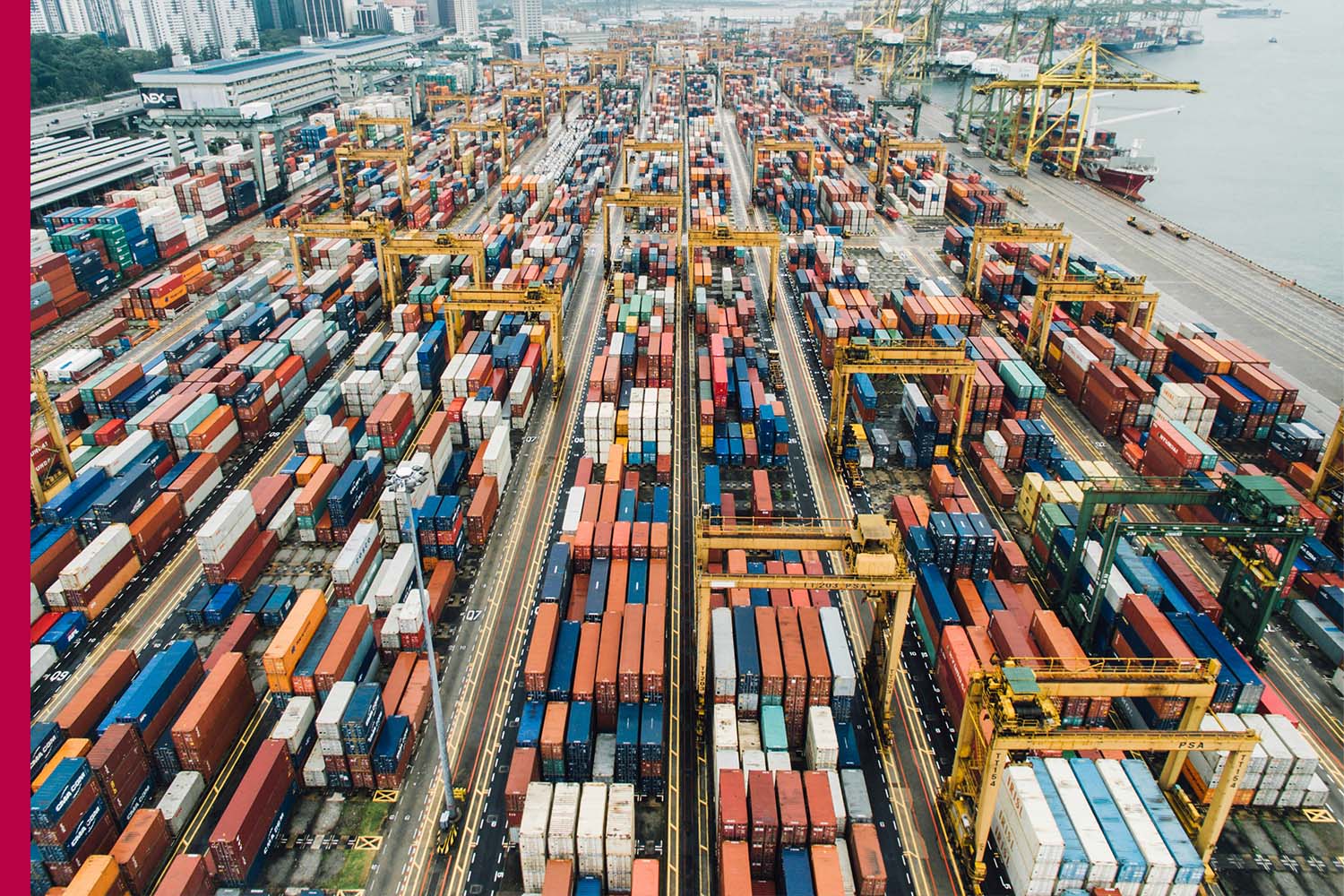
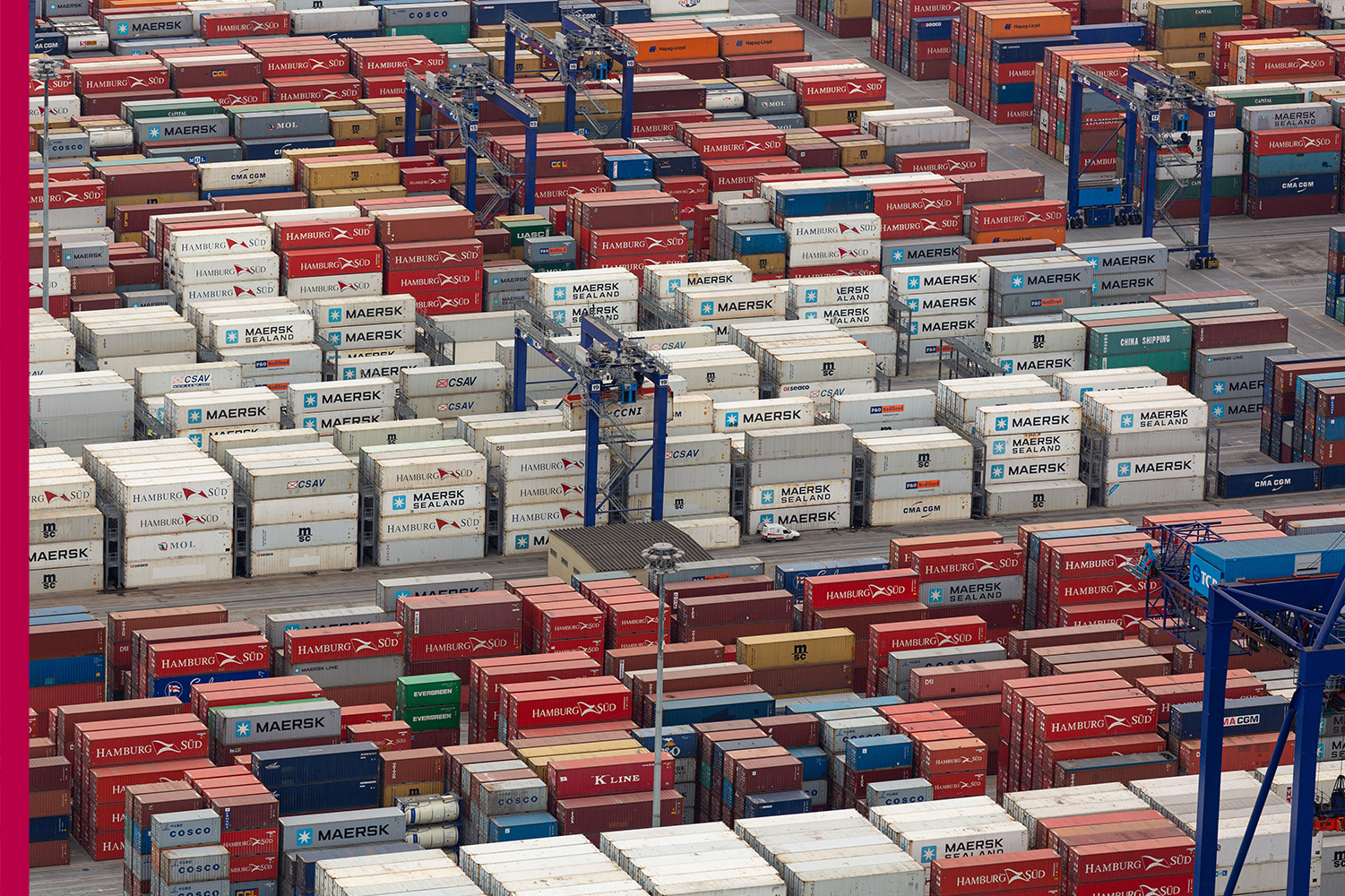
Supply chains form the backbone of the global economy. They connect raw material suppliers, manufacturers, logistics providers, distributors, retailers, and customers through a network of activities that make modern commerce possible. As markets become more interconnected and disruptions increasingly unpredictable, businesses are rethinking how they design and manage these essential networks.
One of the most important trends is the shift from cost-focused supply chains towards resilience. For many years, organisations concentrated on reducing inventory, selecting low-cost suppliers, and maximising efficiency. Although these strategies can improve profitability, they may also create vulnerabilities when a supplier fails, transportation routes are disrupted, or demand changes unexpectedly.
Businesses are increasingly examining alternative suppliers, diversifying sourcing locations, and developing contingency plans. Some are bringing selected production activities closer to their main markets, while others are maintaining additional inventory for strategically important components. The right approach depends on the industry, product requirements, financial resources, and level of supply risk.
Artificial intelligence is playing a growing role in supply chain planning. AI-powered systems can analyse sales patterns, supplier performance, transportation data, and market conditions to improve forecasting. Better predictions can help businesses determine how much inventory to maintain, when to reorder materials, and how to allocate resources across different locations.
Real-time visibility is another major priority. Digital platforms can connect information from warehouses, transport providers, suppliers, and production facilities. This allows businesses to monitor shipments, identify delays, and respond to disruptions more quickly. Improved visibility also helps organisations understand where problems originate rather than treating every delay as an isolated incident.
The Internet of Things is contributing to this transformation through connected sensors that monitor location, temperature, humidity, and equipment conditions. Such capabilities are particularly valuable for products that require controlled transportation, including certain medicines, food items, and sensitive industrial materials.
Sustainability is also influencing supply chain decisions. Businesses are examining transportation emissions, packaging waste, supplier practices, and resource consumption. Route optimisation, improved vehicle utilisation, reusable packaging, and responsible sourcing can support environmental objectives while potentially reducing costs.
However, sustainable supply chain management requires reliable information. Companies increasingly need to understand not only their direct operations but also the environmental and social practices of their suppliers. Gathering consistent data across multiple tiers of suppliers can be difficult, especially when networks span countries with different reporting standards.
Cybersecurity has become another critical concern. As supply chains rely more heavily on connected platforms and shared data, digital vulnerabilities can affect multiple organisations simultaneously. Businesses need strong access controls, secure information sharing, supplier risk assessments, and plans for responding to cyber incidents.
Collaboration is essential to effective supply chain transformation. Suppliers, manufacturers, logistics companies, and retailers often possess different parts of the information required to make sound decisions. Sharing accurate data and aligning operational priorities can reduce uncertainty and improve overall performance.
Workforce development also matters. Modern supply chain professionals increasingly need skills in analytics, procurement, digital systems, risk management, and strategic planning. Technology can support decisions, but experienced professionals remain necessary to interpret information and manage complex relationships.
The future of supply chains will depend on balancing efficiency with flexibility. Organisations must control costs while preparing for uncertainty, use technology while protecting data, and pursue sustainability without compromising reliability.
A resilient supply chain is no longer simply an operational advantage. It is an essential foundation for business continuity and customer trust. Companies that invest in visibility, diversification, collaboration, and intelligent planning will be better prepared to navigate an increasingly unpredictable global marketplace.