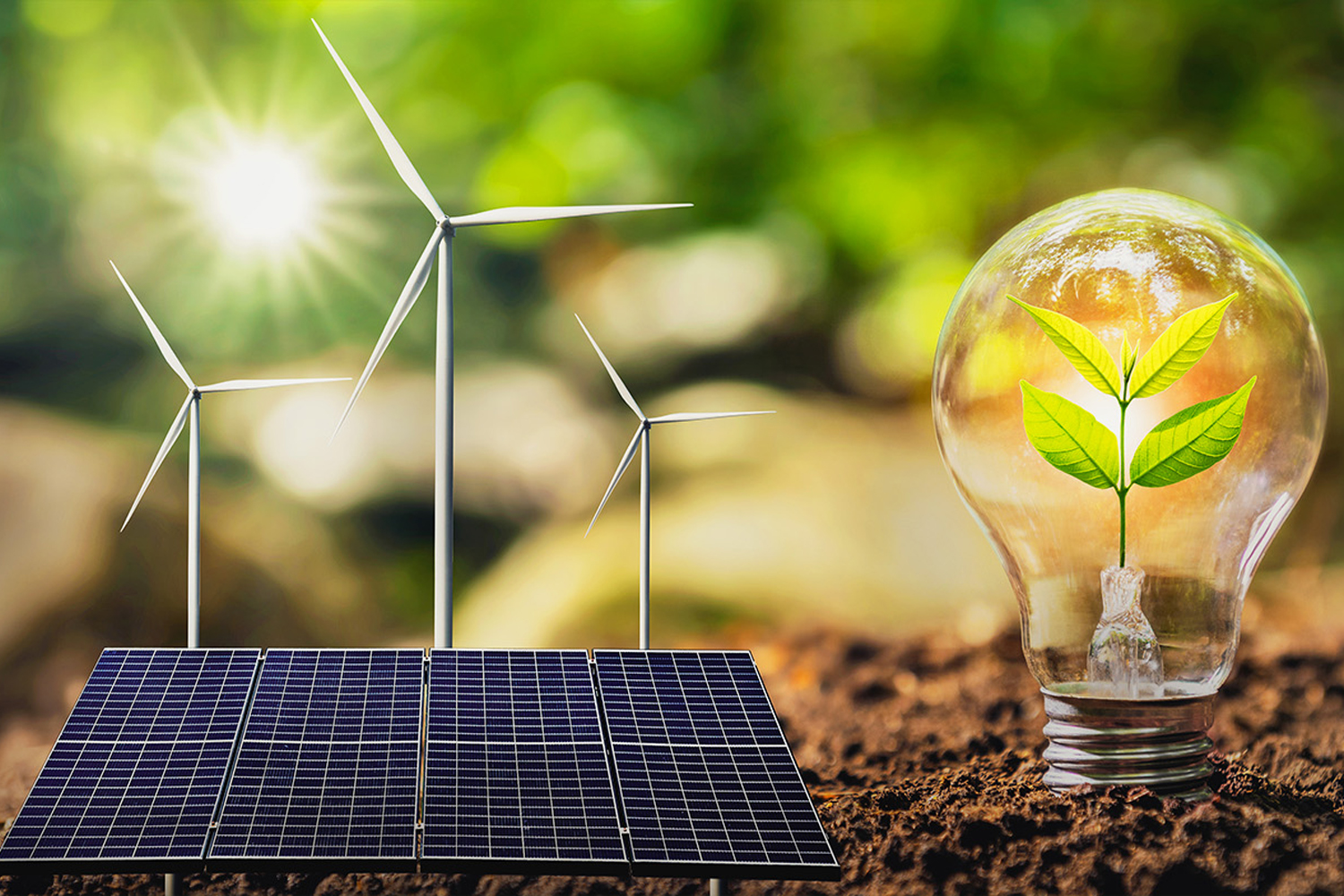

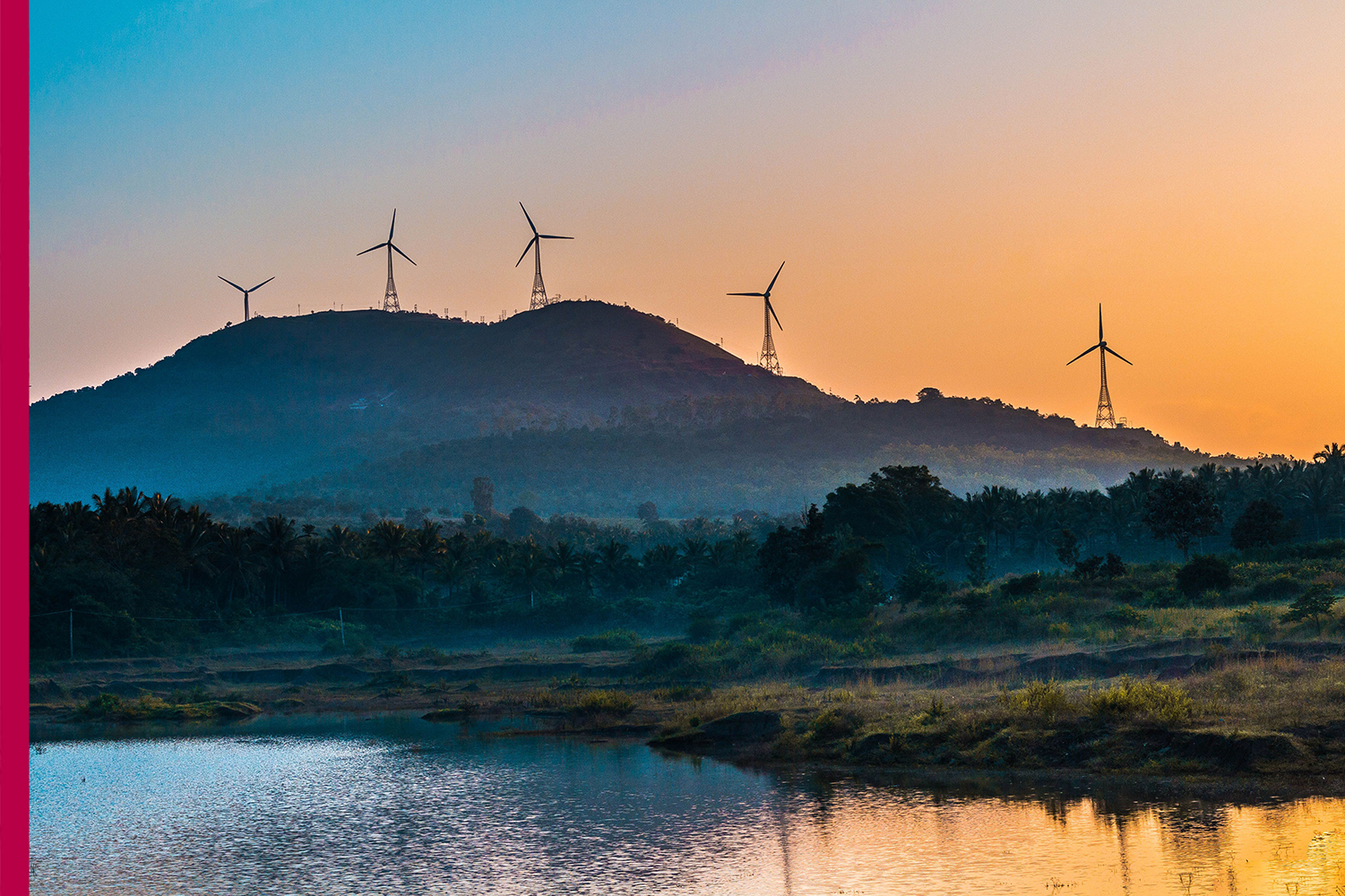

India’s renewable energy expansion has reached an important milestone, with installed renewable power capacity surpassing 300 gigawatts in 2026. But the next challenge may be more difficult than building additional solar and wind projects: ensuring that clean electricity is available whenever consumers need it.
The International Energy Agency’s India Renewable Energy Market Report 2026, released on November 3, highlighted how India’s renewable electricity capacity has almost quadrupled over the past decade. The expansion is strengthening the country’s role in global energy markets and creating opportunities for domestic manufacturing and international supply chains.
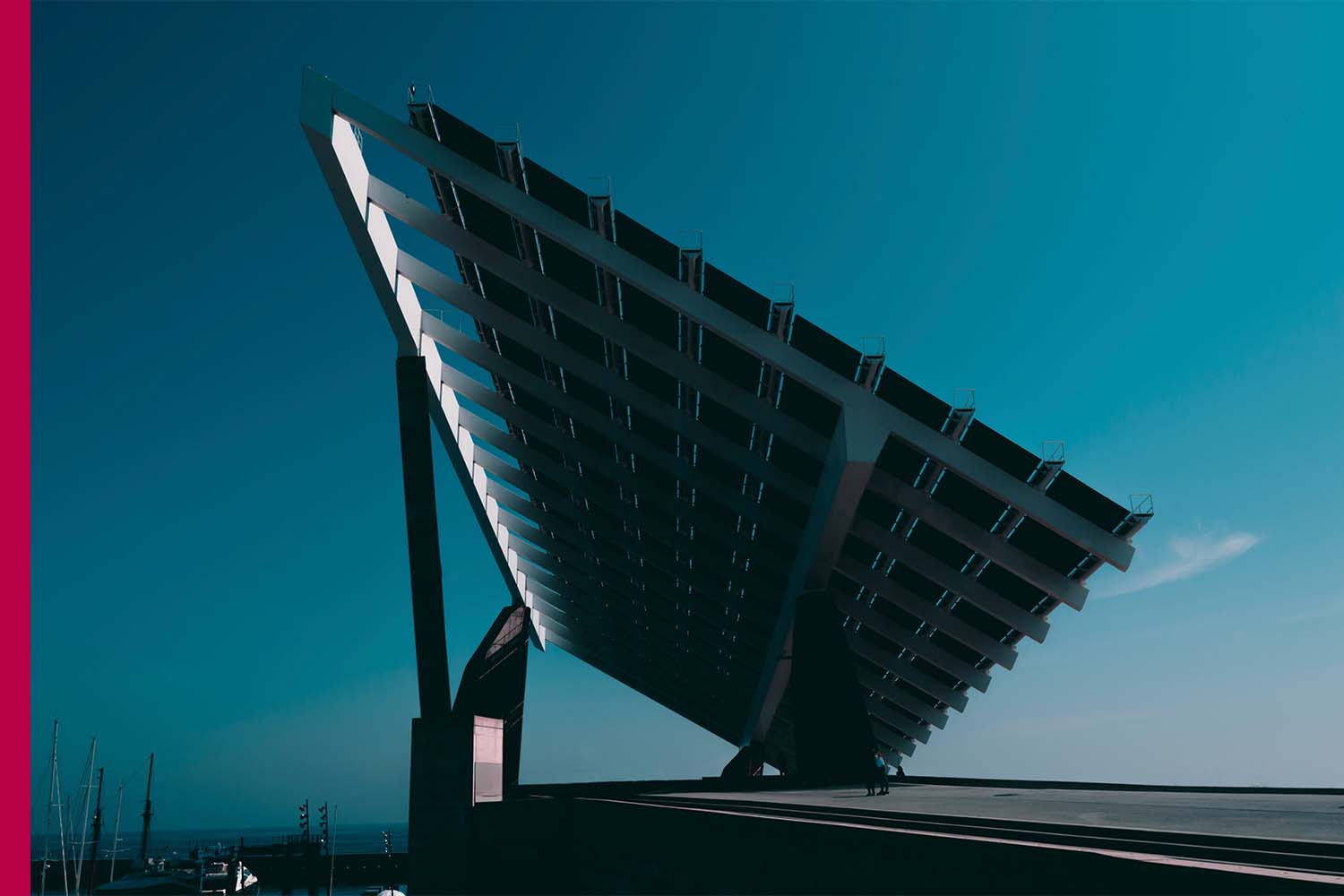
Solar power has become a particularly important part of this transformation. India’s growing solar industry is supporting investment in panels, equipment, infrastructure and associated services. It is also helping reduce dependence on imported fossil fuels.
However, renewable electricity is not always generated at the same time that demand is highest. Solar production is strongest during daylight hours, while household and industrial electricity consumption can rise later in the evening. Without sufficient storage and grid flexibility, surplus daytime electricity may not be available when it is most needed.
That is why energy storage is becoming a central part of India’s sustainability strategy.
The government has announced a ₹14,500 crore viability gap funding scheme to support the development of 92 gigawatt-hours of grid-scale energy storage. The programme covers battery energy storage systems, pumped storage projects and emerging storage technologies. It also includes domestic-content provisions intended to encourage Indian manufacturing.
Separately, the Power Secretary has indicated that the government plans to require state power utilities to add energy storage capacity. The exact requirements are still being discussed, and the proposed policy should not be mistaken for an already implemented mandate.
For businesses, these developments create opportunities across battery manufacturing, renewable project development, grid technology, engineering and energy management.
They also underline an important point about sustainability: generating clean electricity is only one part of the transition. A reliable energy system must be able to store, distribute and manage that electricity efficiently.
The transition will require investment, technological innovation, skilled professionals and cooperation between government and private industry.
India’s renewable energy milestone is an achievement worth recognising. But the next phase will be measured by something more demanding than installed capacity: how reliably and affordably clean power can reach homes, factories and businesses throughout the day.