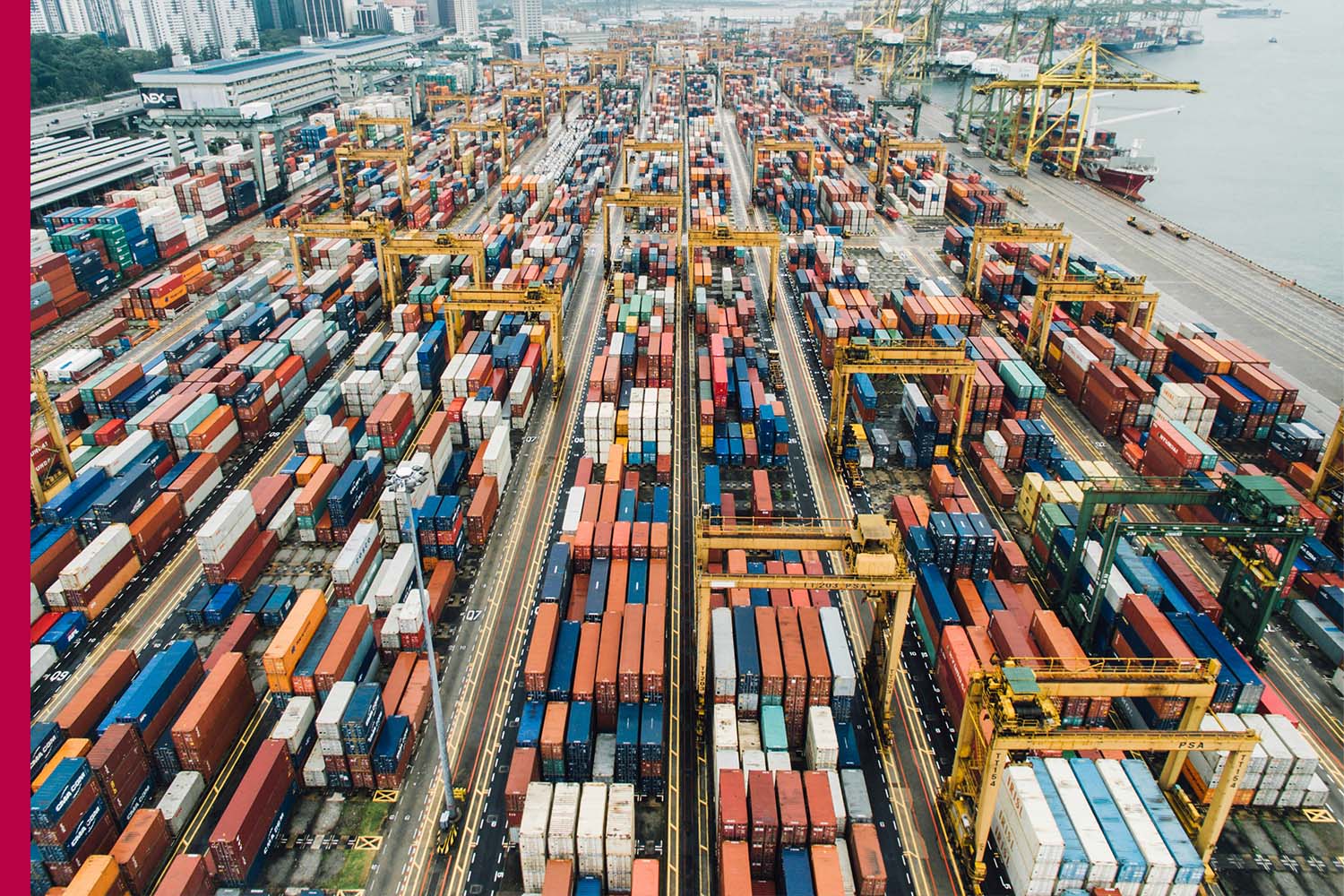




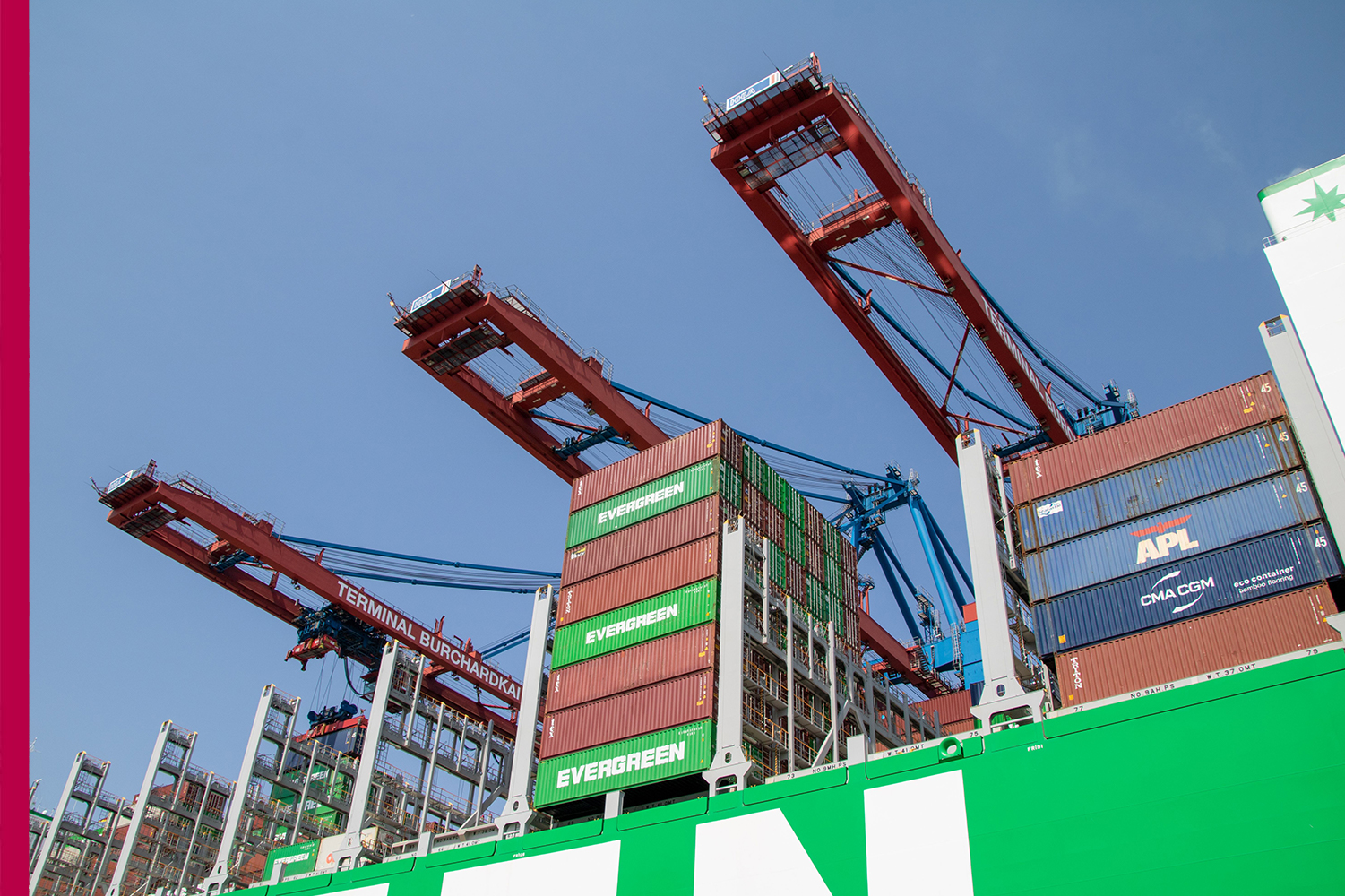
India’s export sector is facing another test as maritime disruptions, rising inland transportation costs and container shortages put pressure on businesses that depend on international trade.
On November 11, reports indicated that the Directorate General of Foreign Trade was consulting exporters to understand the impact of higher inland freight charges and restricted container availability. The government is seeking industry feedback to develop possible support measures, including eligibility criteria and an implementation mechanism.
The discussions come amid disruptions to maritime trade linked to the West Asia crisis. For exporters, the challenge is not limited to the cost of shipping goods overseas. Delays in obtaining containers, moving cargo to ports and securing reliable vessel schedules can affect delivery commitments and working capital.
The pressure is particularly significant for businesses operating with tight margins. Textile manufacturers, engineering exporters, agricultural suppliers and smaller manufacturers may find it difficult to absorb unexpected logistics costs while remaining competitive in international markets.
A related development is changing how Indian garment exporters approach global markets. Reuters reported on November 11 that several apparel manufacturers are reducing their dependence on the United States following tariff increases and uncertainty. Companies are exploring opportunities in Britain, Europe, the UAE and India’s domestic market.
This shift illustrates why supply-chain resilience is becoming a strategic business priority. A company that depends heavily on one export destination or one shipping route can be exposed to sudden changes in trade policy and international conditions.
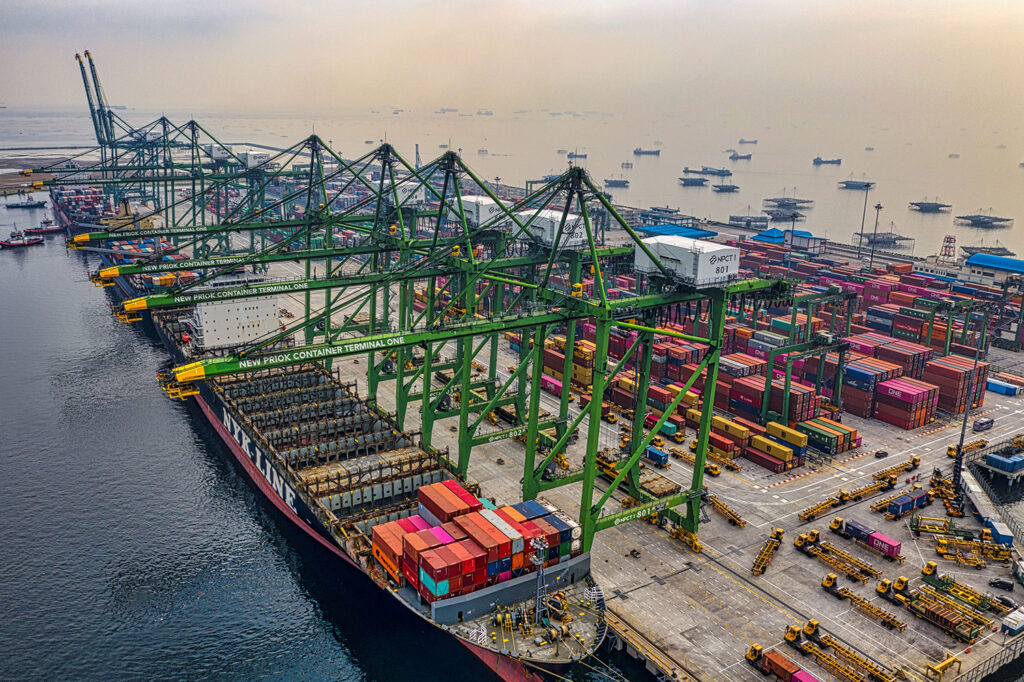
The wider logistics picture also contains signs of pressure. India’s Logistics Growth Index fell to 53.6 in October from 57 in September, its lowest reading in eight months, although a reading above 50 still indicates expansion.
For businesses, the lesson is clear: supply-chain management can no longer be treated as a back-office function. Companies must evaluate alternative shipping routes, diversify suppliers, maintain appropriate inventory and improve visibility across their distribution networks.
Technology can help organisations monitor shipments and predict disruptions, but flexibility and strong relationships with logistics partners remain equally important.
India’s ambition to expand exports depends not only on manufacturing competitive products but also on delivering them reliably and at the right cost. The next competitive advantage may belong to companies that can keep their supply chains moving even when global trade becomes unpredictable.