

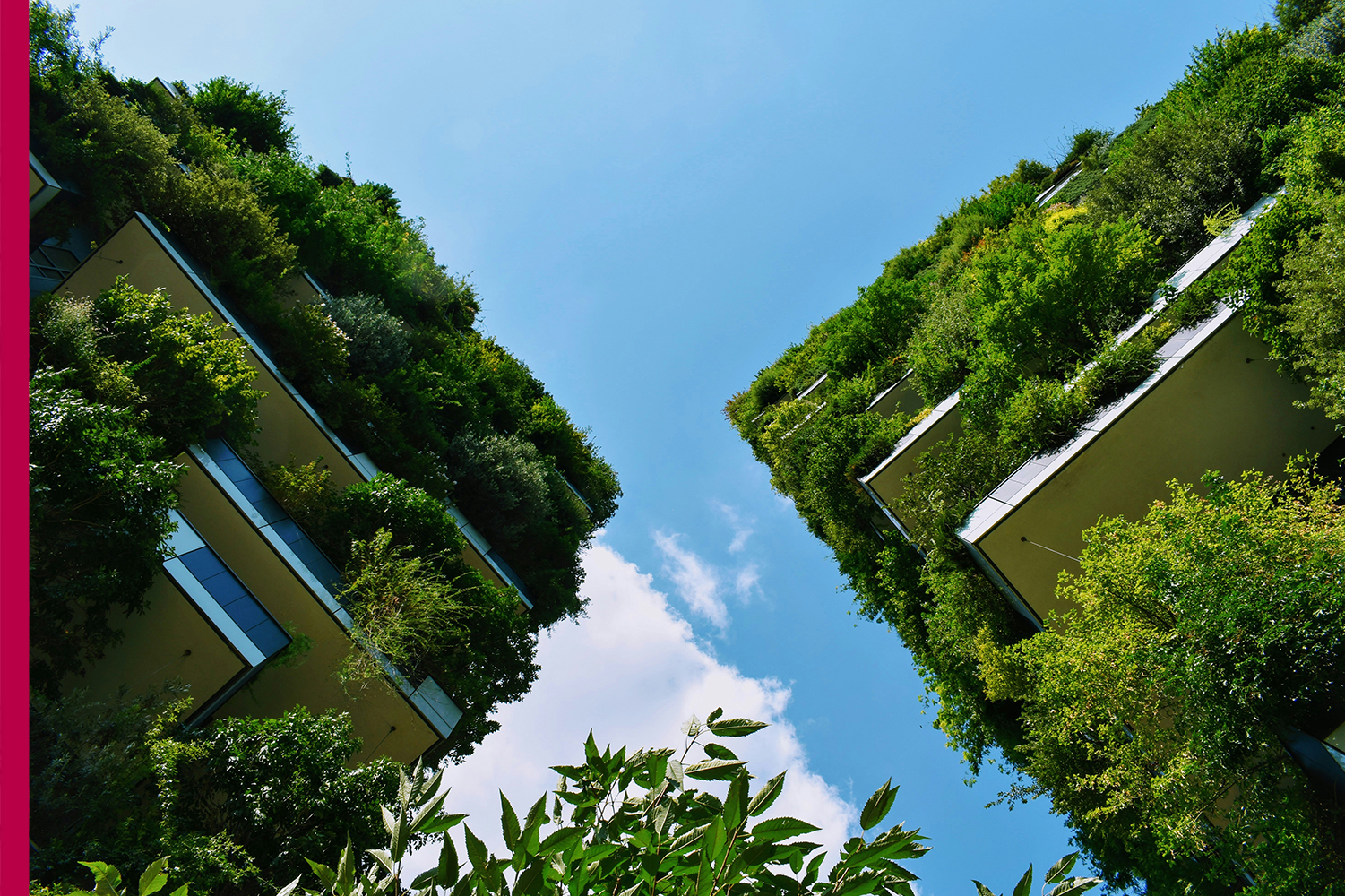
Green building concepts are transforming the way we design, construct, and operate buildings by focusing on environmental responsibility, energy efficiency, and healthier living spaces. As climate change, resource limitations, and urban growth continue to create challenges, sustainable construction has become an important solution for reducing environmental impact while improving the quality of life. Green buildings combine innovative design, advanced technology, and eco-friendly practices to create structures that benefit both people and the planet.
A green building is designed to use resources efficiently throughout its entire lifecycle, from planning and construction to operation and maintenance. Unlike traditional buildings that may consume large amounts of energy and natural resources, green buildings aim to minimize waste, reduce carbon emissions, conserve water, and create comfortable indoor environments. The primary goal is to achieve a balance between economic development, environmental protection, and social well-being.
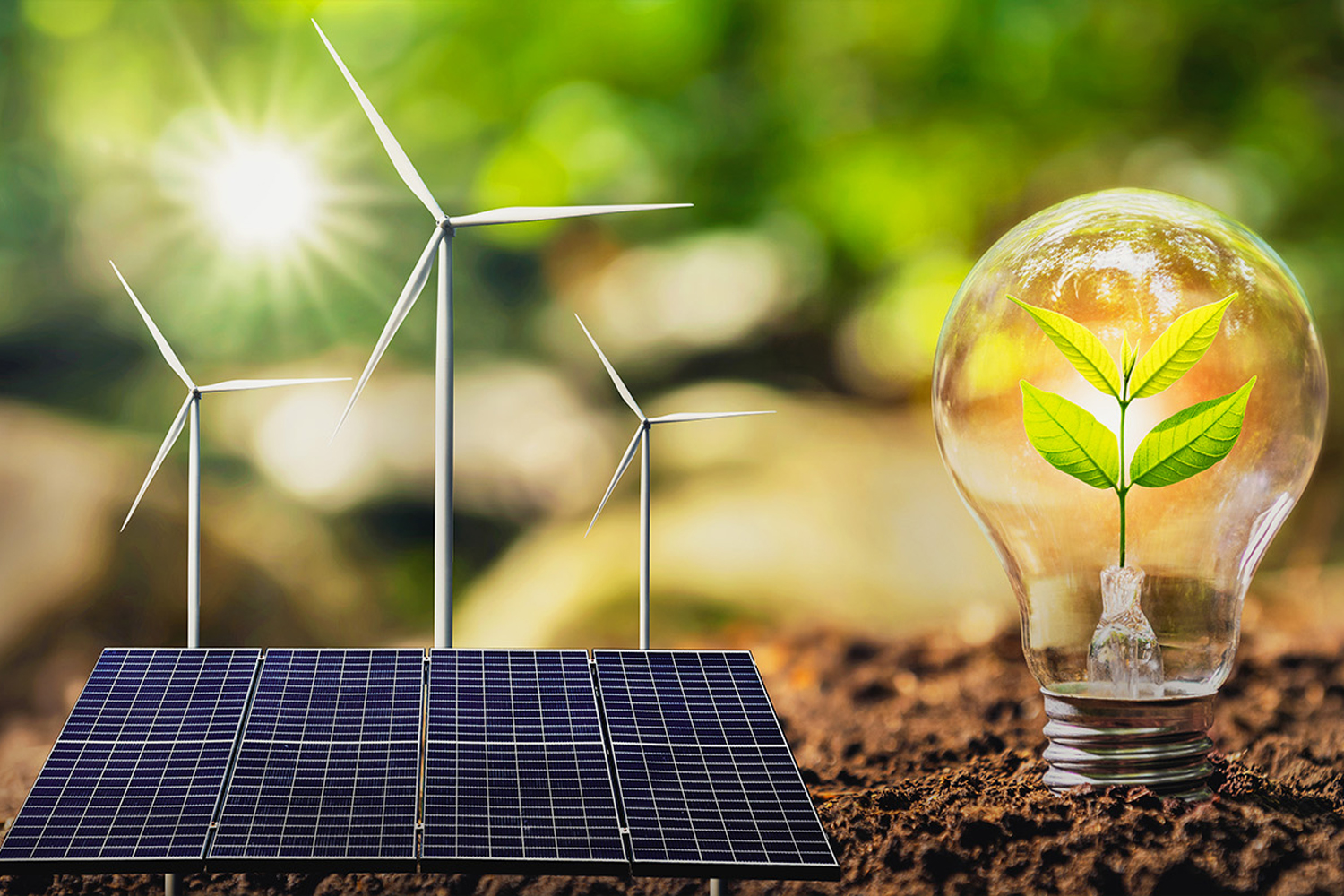
Energy efficiency is one of the most important elements of green building design. Buildings consume significant amounts of energy for lighting, heating, cooling, and daily operations. Green buildings use energy-efficient systems such as LED lighting, smart energy controls, advanced insulation, and efficient heating and cooling technologies. These solutions help reduce energy consumption and lower operational costs. Many sustainable buildings also integrate renewable energy sources such as solar panels to generate clean power.
Water conservation is another key principle of green building concepts. Increasing water scarcity has made efficient water management essential in modern construction. Green buildings incorporate rainwater harvesting systems, low-flow fixtures, wastewater recycling, and smart irrigation techniques to reduce water usage. These practices help conserve valuable resources and support sustainable urban development.
The use of sustainable construction materials plays a major role in green building practices. Builders are increasingly choosing materials that have lower environmental impact, such as recycled materials, renewable resources, and locally sourced products. Sustainable materials reduce waste, minimize transportation emissions, and support responsible resource management. Additionally, durable materials help extend building life and reduce the need for frequent repairs.
Indoor environmental quality is another important focus of green buildings. A healthy indoor environment improves comfort, productivity, and overall well-being. Green buildings use proper ventilation systems, natural lighting, non-toxic materials, and air purification technologies to create healthier spaces. Access to natural light and fresh air has been linked to improved mood, concentration, and occupant satisfaction.
Smart technology is becoming a major part of modern green buildings. Internet of Things (IoT) devices, sensors, and automation systems allow buildings to monitor and optimize energy use, lighting, temperature, and security. Smart building systems can adjust operations based on occupancy and user preferences, improving efficiency and reducing unnecessary consumption.
Green building concepts also encourage sustainable urban development. Features such as green roofs, vertical gardens, and environmentally friendly landscapes help reduce heat, improve air quality, and support biodiversity. These designs contribute to creating greener and more livable cities.
The economic benefits of green buildings are also significant. Although sustainable construction may require higher initial investment, the long-term savings from reduced energy and water costs can be substantial. Green buildings often have lower maintenance expenses, higher property value, and increased demand among environmentally conscious buyers and businesses.
Certification systems and sustainability standards help promote green building practices worldwide. Organizations and governments encourage developers to follow environmental guidelines and adopt responsible construction methods. These standards provide frameworks for measuring energy performance, resource efficiency, and environmental impact.
Despite the advantages, green building development faces challenges such as higher upfront costs, limited awareness, and the need for specialized skills. However, advancements in technology and growing environmental awareness are making sustainable construction more accessible and practical.
In conclusion, green building concepts represent the future of responsible construction and urban living. By focusing on energy efficiency, sustainable materials, water conservation, smart technologies, and healthier environments, green buildings help create a more sustainable world. As cities continue to grow, adopting green building practices will be essential for reducing environmental impact and building resilient communities for future generations.