




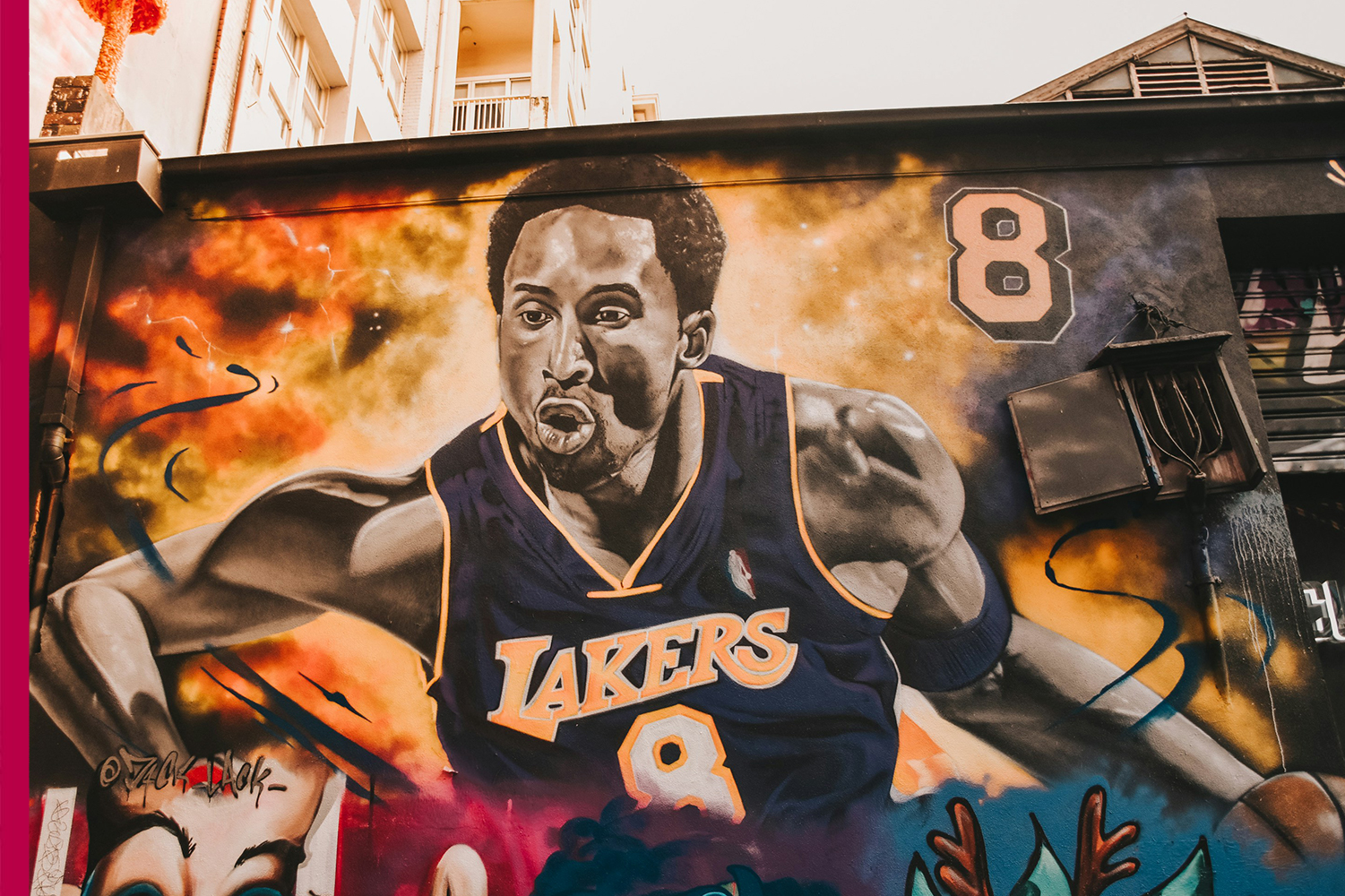
The world of sports has evolved far beyond competitions and performances. Today, athletes are not only recognized for their skills on the field but also for their personalities, values, stories, and influence. Athlete branding and marketing have become essential parts of the modern sports industry, allowing players to build strong personal identities, connect with fans, and create long-term professional opportunities. A successful athlete brand can extend beyond sports and become a powerful platform for business, social impact, and personal growth.
Athlete branding refers to the process of creating and managing an athlete’s public image, reputation, and identity. It includes how athletes communicate with fans, represent themselves in public, collaborate with brands, and share their personal journeys. A strong athlete brand is built on authenticity, consistency, talent, and the ability to connect emotionally with audiences.
One of the biggest changes in athlete marketing is the rise of digital platforms and social media. In the past, athletes depended mainly on television coverage, interviews, and sponsorships to reach fans. Today, social media platforms allow athletes to communicate directly with millions of followers worldwide. Through posts, videos, live sessions, and behind-the-scenes content, athletes can create personal connections and strengthen fan loyalty.
Personal storytelling plays a major role in athlete branding. Fans are interested not only in achievements but also in the journey behind success. Stories about dedication, challenges, training, personal values, and career experiences help athletes become more relatable. When audiences connect with an athlete’s story, they are more likely to support their brand partnerships and follow their career beyond sports.
Sponsorships and endorsements are important elements of athlete marketing. Companies collaborate with athletes because they provide access to engaged audiences and strong emotional connections. Athletes who build trustworthy personal brands often attract partnerships across industries such as fashion, technology, fitness, lifestyle, and entertainment. These collaborations create additional revenue opportunities while allowing brands to benefit from athlete influence.
The growth of influencer culture has further expanded opportunities for athletes. Many athletes now function as digital creators, sharing content related to fitness, lifestyle, travel, and personal interests. This broader identity helps them reach audiences beyond traditional sports fans. Athletes who understand content creation and digital communication can build stronger communities around their personal brands.
Technology is also transforming athlete marketing strategies. Data analytics helps brands understand audience behavior, engagement patterns, and consumer preferences. Teams and sponsors use these insights to create targeted campaigns and improve fan experiences. Emerging technologies such as virtual events, augmented reality, and digital collectibles are creating new ways for athletes to interact with supporters.
Social responsibility has become another important aspect of athlete branding. Modern audiences often value athletes who use their platforms to support meaningful causes. Many athletes participate in charity initiatives, community programs, environmental campaigns, and social awareness movements. A commitment to positive impact can strengthen an athlete’s reputation and create deeper connections with fans.
However, athlete branding also comes with challenges. Public image management requires careful planning, especially in the age of instant digital communication. A single mistake or controversial moment can affect an athlete’s reputation. Athletes must maintain professionalism, understand their audience, and manage their online presence responsibly.
Consistency is key to building a successful athlete brand. A strong identity should reflect the athlete’s true personality and remain consistent across interviews, social media, partnerships, and public appearances. Authenticity helps create trust, while artificial branding can weaken audience connections.
Young athletes are increasingly recognizing the importance of building their brands early in their careers. Developing communication skills, understanding digital platforms, and creating positive public identities can provide advantages both during and after their sporting careers.
In conclusion, athlete branding and marketing have become powerful tools in the modern sports industry. Athletes today are not only competitors but also entrepreneurs, influencers, and role models. By combining performance, storytelling, digital engagement, and authentic connections, athletes can create lasting brands that extend far beyond the playing field. The future of sports marketing will continue to be shaped by athletes who understand the power of their personal identity and global influence.