


In today’s competitive business environment, supply chain management has become a critical factor in determining profitability and operational efficiency. Rising transportation costs, fluctuating raw material prices, and increasing customer expectations have pushed companies to focus on supply chain cost optimization. This process involves reducing unnecessary expenses while maintaining product quality, delivery speed, and customer satisfaction.
Supply chain cost optimization is not simply about cutting costs; it is about improving efficiency across procurement, production, transportation, warehousing, and distribution. Businesses that optimize their supply chains can increase profitability, enhance resilience, and gain a competitive advantage in the market.
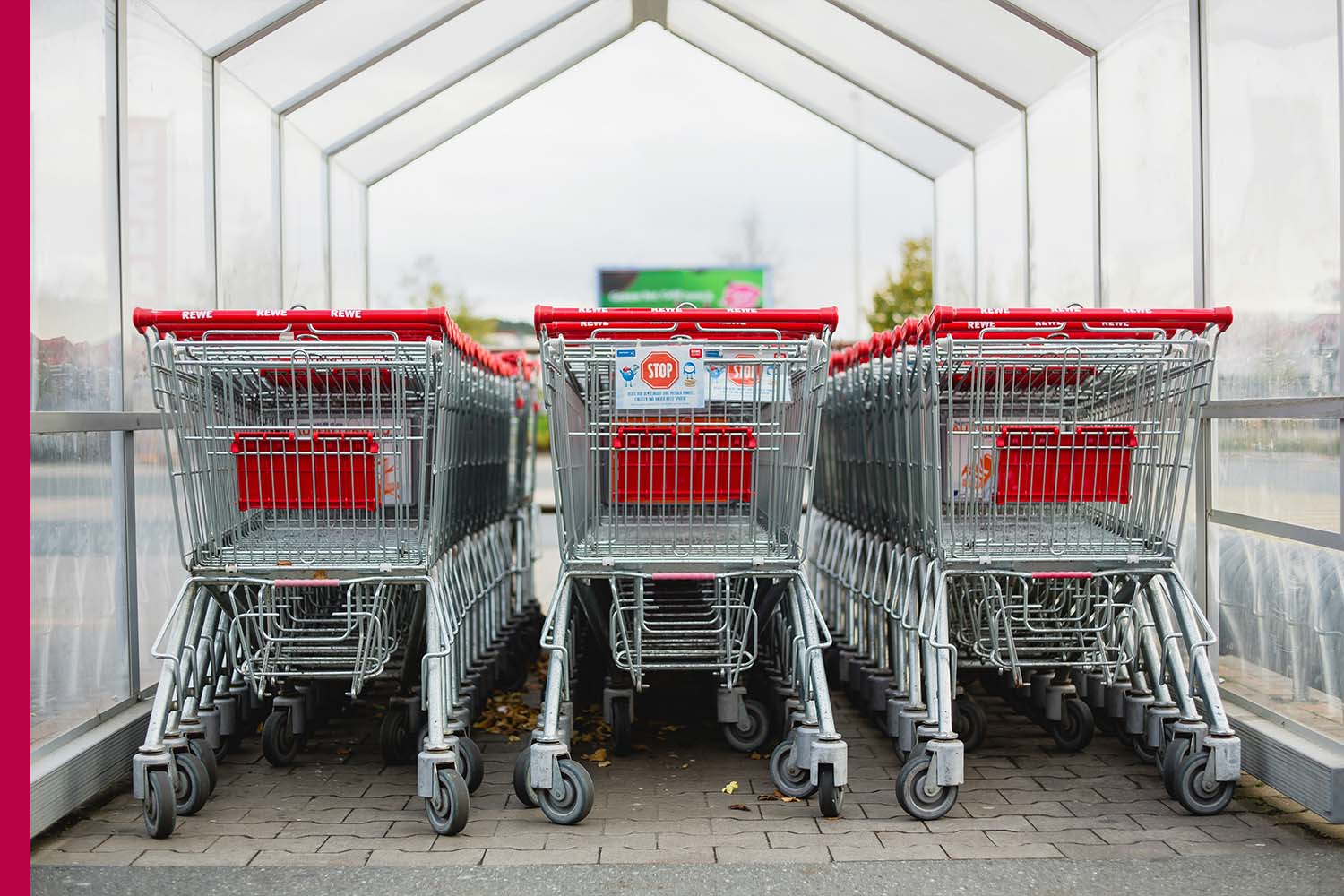
One of the most effective strategies for supply chain cost optimization is efficient inventory management. Excess inventory increases storage costs and the risk of product obsolescence, while insufficient stock can lead to delays and lost sales. Advanced forecasting tools and demand planning systems help companies maintain optimal inventory levels and reduce waste.
Technology plays a major role in modern supply chain optimization. Systems powered by the Internet of Things enable real-time tracking of shipments, warehouse operations, and equipment performance. These technologies provide valuable insights that help businesses identify inefficiencies, reduce delays, and improve decision-making.
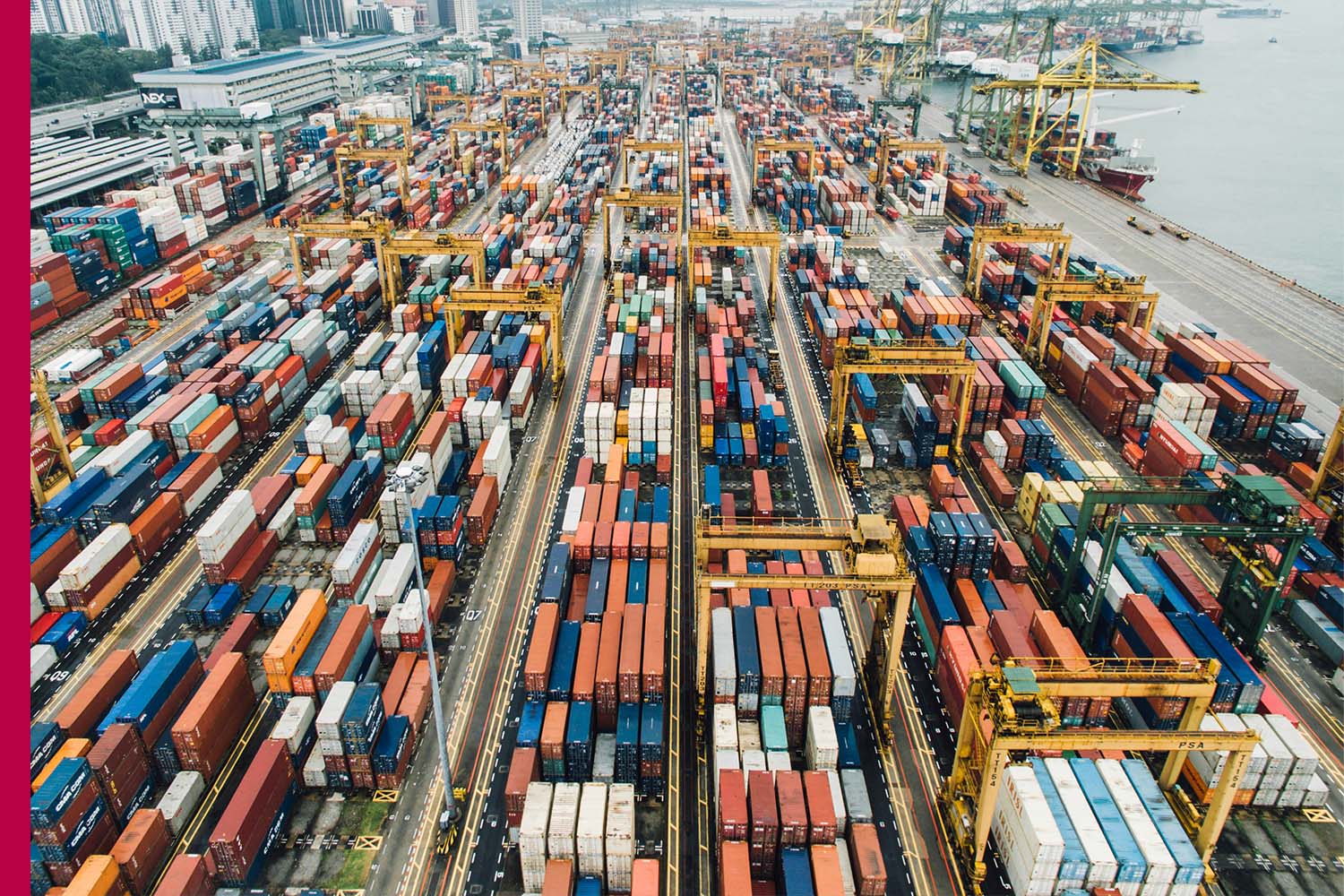
Transportation optimization is another important factor in controlling supply chain costs. Fuel expenses and logistics operations account for a significant portion of supply chain spending. Businesses are using route optimization software, load consolidation, and efficient fleet management to reduce transportation costs and improve delivery efficiency.
Supplier relationship management also contributes to cost optimization. Strong partnerships with suppliers help businesses negotiate better pricing, improve quality, and ensure reliable delivery schedules. Diversifying suppliers can also reduce risks associated with dependency on a single source.
In India, supply chain optimization is becoming increasingly important due to the rapid growth of manufacturing, e-commerce, and logistics sectors. Businesses are investing in digital technologies, automated warehouses, and integrated logistics systems to improve efficiency and reduce operational costs. Government initiatives supporting infrastructure development are also helping strengthen supply chain networks.
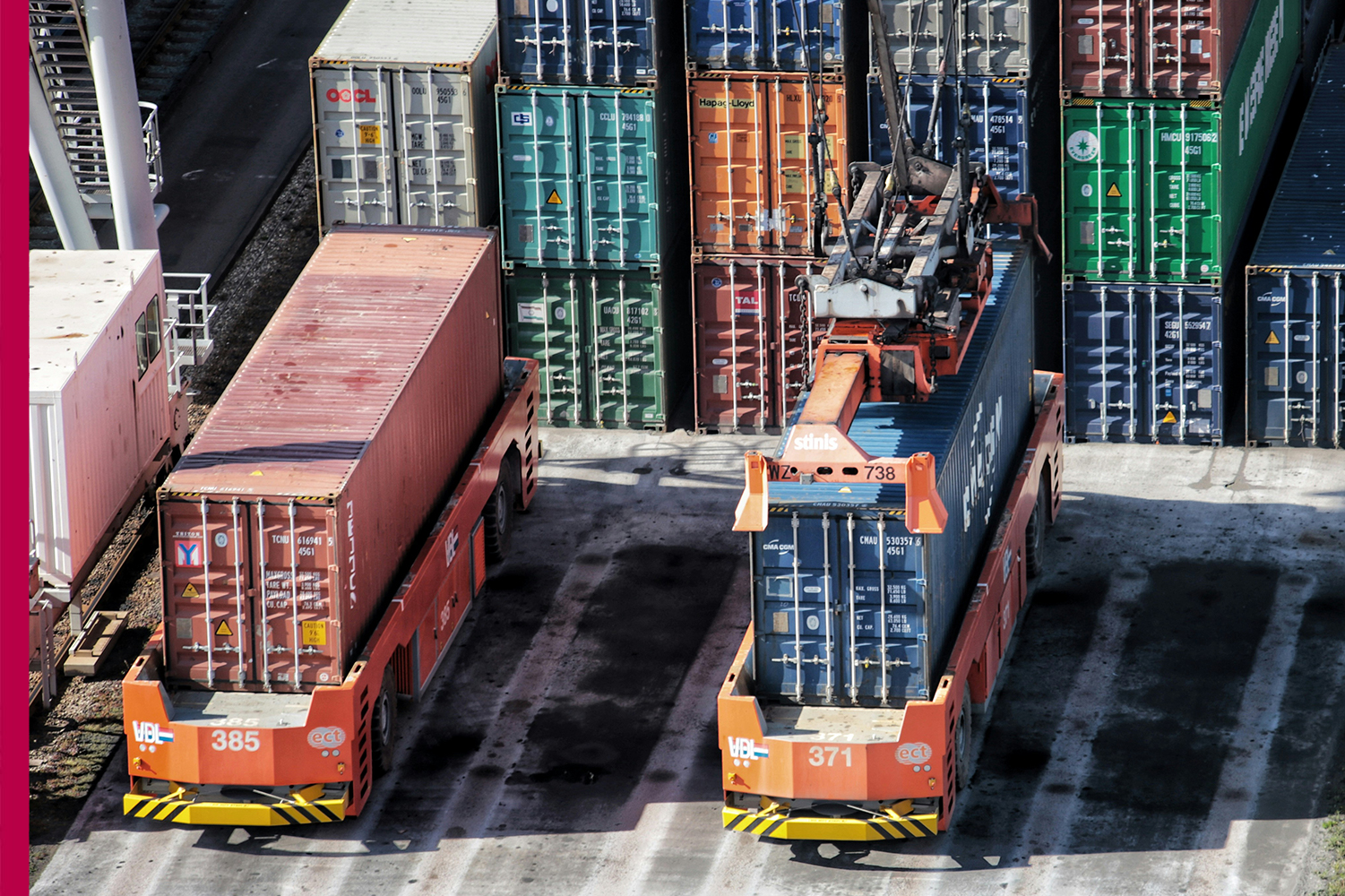
Automation is transforming supply chain operations by reducing manual labor and improving productivity. Automated warehouses, robotic sorting systems, and AI-driven inventory management tools help companies streamline operations and minimize errors. Automation not only lowers costs but also enhances speed and accuracy.
Data analytics is another powerful tool for supply chain optimization. Businesses can analyze customer demand patterns, supplier performance, and transportation efficiency to make informed decisions. Predictive analytics helps companies anticipate disruptions and adjust operations proactively.
Sustainability is increasingly linked to cost optimization. Green logistics practices such as energy-efficient transportation, eco-friendly packaging, and waste reduction can lower operational expenses while supporting environmental goals. Sustainable supply chain strategies also improve brand reputation and customer trust.
Despite its benefits, supply chain cost optimization comes with challenges. Global supply chain disruptions, geopolitical tensions, inflation, and changing consumer demands can create uncertainty. Businesses must balance cost reduction with flexibility and resilience to avoid compromising service quality.
E-commerce growth has further increased the need for optimized supply chains. Customers now expect faster deliveries, real-time tracking, and seamless service. To meet these expectations, businesses must invest in efficient logistics and fulfillment systems without significantly increasing costs.
Collaboration across the supply chain is essential for long-term optimization. Manufacturers, suppliers, logistics providers, and retailers must work together to improve transparency and coordination. Integrated supply chain systems help reduce delays and improve overall performance.
Looking ahead, emerging technologies such as artificial intelligence, blockchain, and autonomous delivery systems are expected to further enhance supply chain efficiency. Smart supply chains powered by real-time data and automation will help businesses reduce costs while improving responsiveness and sustainability.
In conclusion, supply chain cost optimization is essential for businesses seeking to improve efficiency, profitability, and competitiveness. Through technology adoption, efficient logistics, automation, and strategic planning, companies can reduce operational expenses while maintaining high service standards. As global markets continue to evolve, optimized supply chains will remain a key driver of business success and long-term growth.