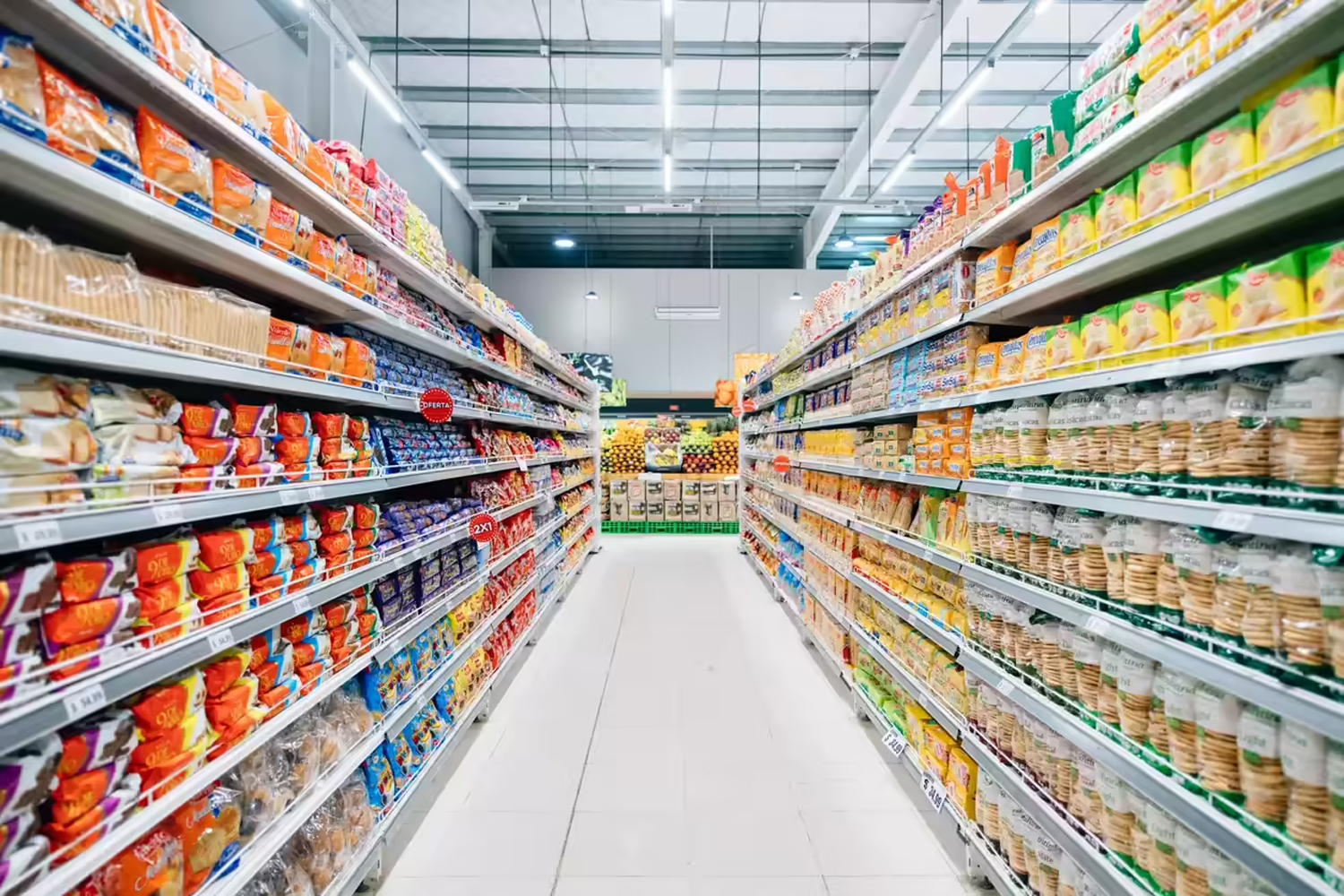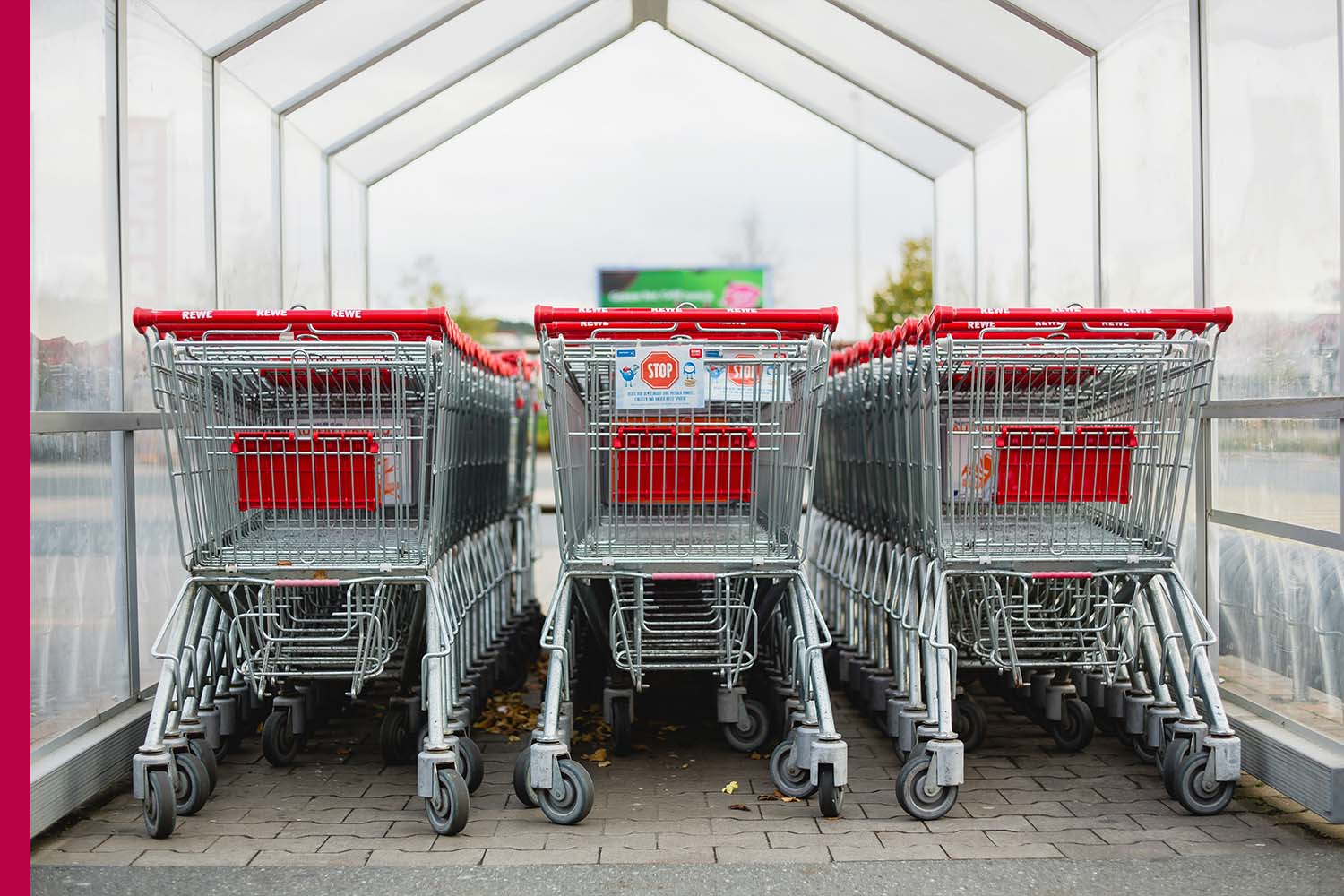






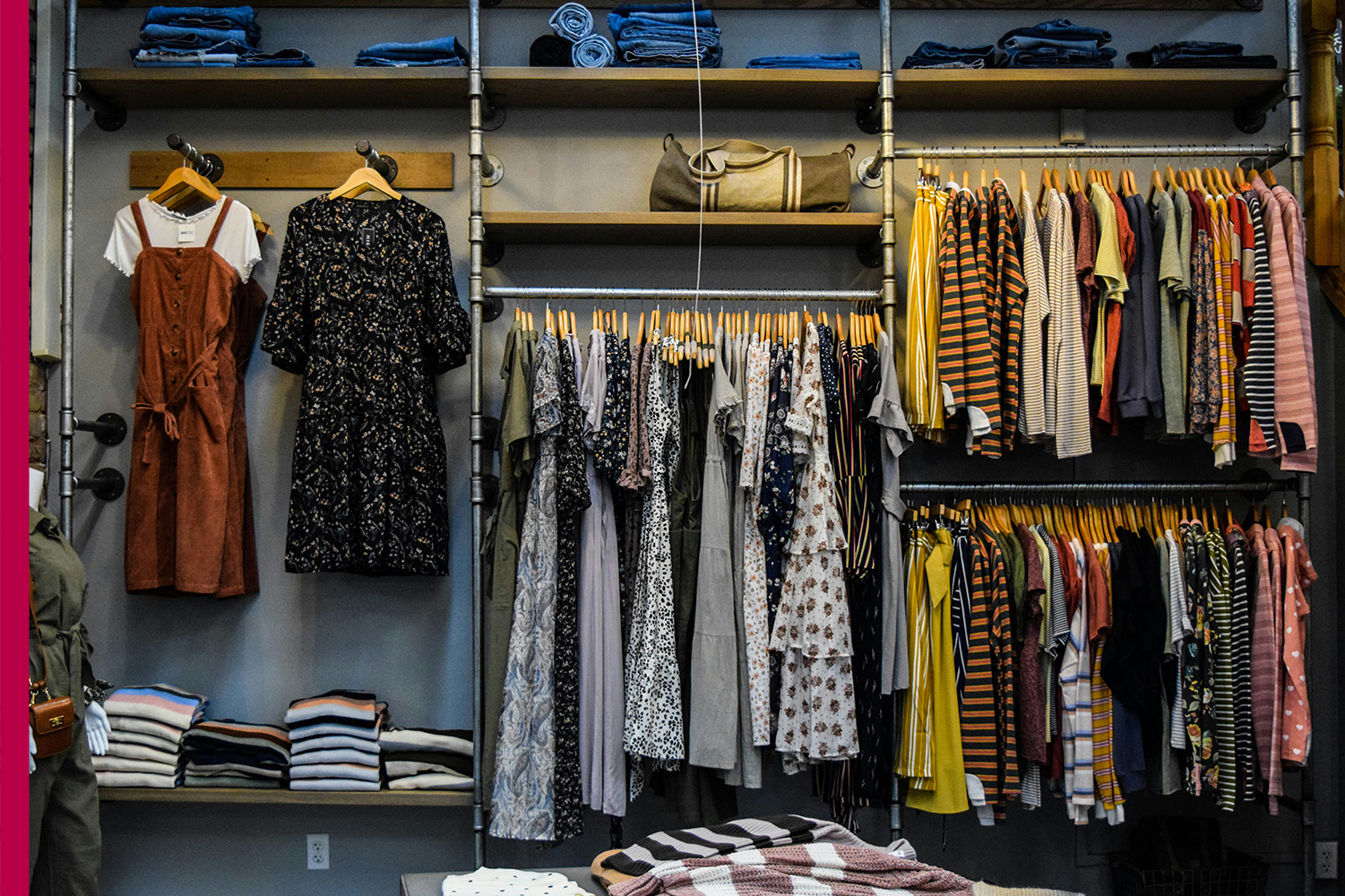
The retail industry has undergone significant transformation over the past two decades, with organized retail emerging as a major driver of economic growth and consumer convenience. Organized retail refers to large-scale retail businesses that operate through structured formats such as supermarkets, hypermarkets, shopping malls, chain stores, and e-commerce platforms. Unlike traditional unorganized retail, organized retail focuses on standardized operations, modern infrastructure, and customer-centric services.
One of the key reasons behind the growth of organized retail is changing consumer behavior. Modern consumers seek convenience, quality assurance, wide product variety, and better shopping experiences. Organized retail outlets offer all these benefits under one roof, making shopping more efficient and enjoyable. The rise of urbanization and increasing disposable incomes have further contributed to the demand for modern retail formats.
Technology has played a major role in accelerating organized retail growth. Digital payment systems, inventory management software, and customer analytics help retailers improve operational efficiency and deliver personalized experiences. The integration of the Internet of Things and artificial intelligence is enabling smarter retail operations, automated supply chains, and enhanced customer engagement.
E-commerce has become an important component of organized retail. Online shopping platforms such as Amazon and Flipkart have transformed how consumers purchase products. Customers can browse, compare, and order products from the comfort of their homes, making digital retail a key growth driver in the industry.
In India, organized retail has expanded rapidly due to rising middle-class income, urban development, and increased internet penetration. Shopping malls, branded stores, supermarkets, and online marketplaces are becoming more common across cities and even smaller towns. Government initiatives promoting digital payments and infrastructure development have further supported this growth.
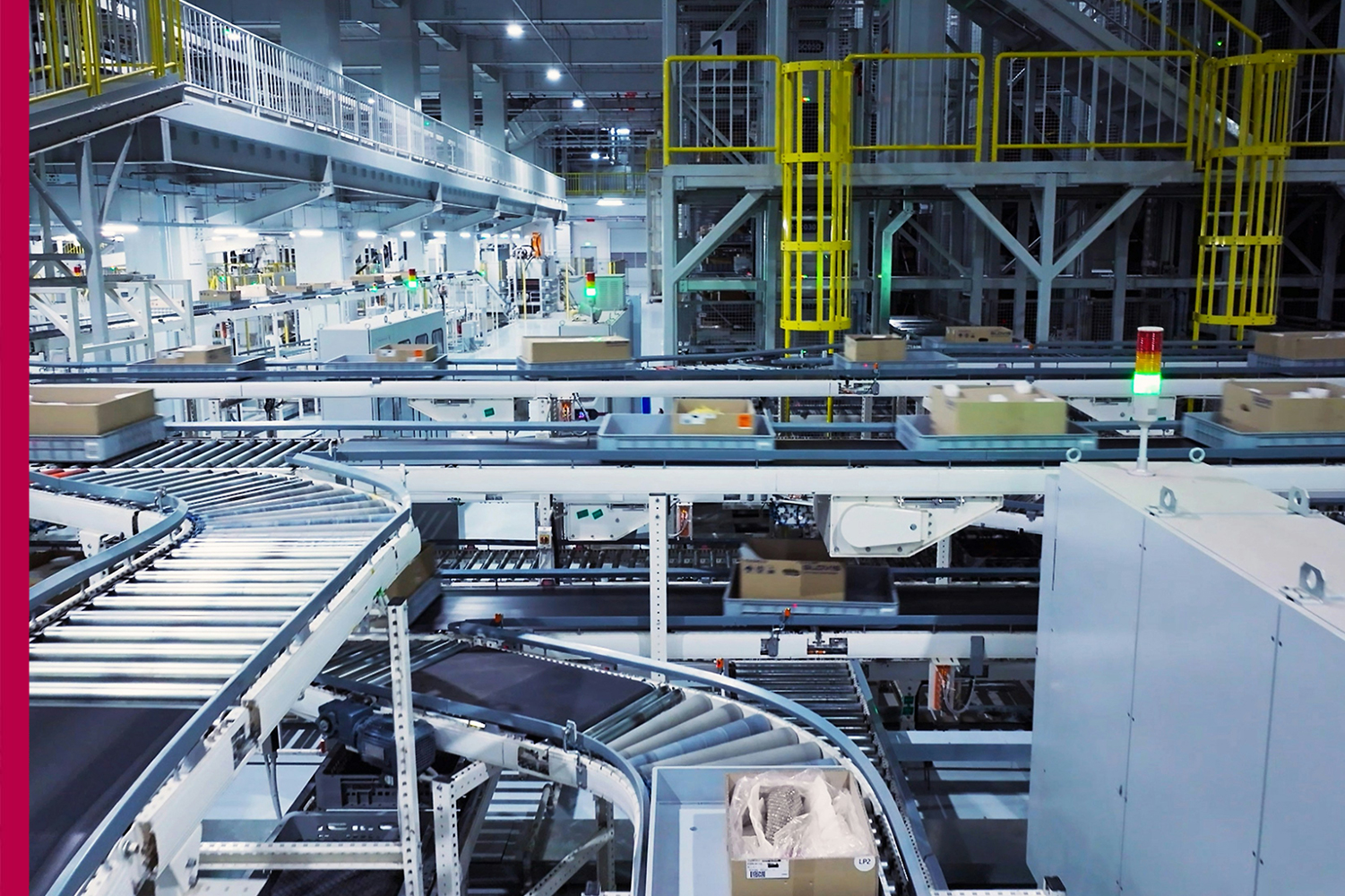
Supply chain efficiency is another important factor contributing to organized retail success. Large retailers use advanced logistics systems and centralized procurement processes to manage inventory effectively and reduce costs. Efficient supply chains help ensure product availability, improve quality control, and minimize wastage.
Customer experience is at the center of organized retail strategies. Retailers focus on store design, product display, loyalty programs, and personalized marketing to attract and retain customers. Modern retail environments provide comfort, entertainment, and convenience, creating a more engaging shopping experience compared to traditional retail outlets.
The growth of organized retail has also created employment opportunities across sectors such as sales, logistics, marketing, customer service, and technology. The industry supports millions of jobs directly and indirectly, contributing significantly to economic development.
Another important trend is the rise of omnichannel retailing. Consumers now expect seamless integration between online and offline shopping experiences. Retailers are combining physical stores with digital platforms, allowing customers to browse online, pick up products in-store, or access personalized services across channels.
Despite its rapid expansion, organized retail faces several challenges. High operational costs, intense competition, changing consumer preferences, and supply chain disruptions can impact profitability. Smaller traditional retailers may also struggle to compete with large retail chains and online marketplaces.
Sustainability is becoming an increasingly important focus in organized retail. Businesses are adopting eco-friendly packaging, energy-efficient stores, and sustainable sourcing practices to meet growing consumer awareness about environmental responsibility. Green retail strategies are helping companies strengthen their brand image and customer loyalty.
The future of organized retail will likely be shaped by digital innovation and data-driven strategies. Technologies such as augmented reality, automated checkout systems, and AI-powered recommendations are expected to enhance shopping experiences further. Retailers will continue to focus on personalization, convenience, and sustainability to remain competitive.
In conclusion, the growth of organized retail is transforming the global shopping landscape by offering convenience, efficiency, and improved customer experiences. Driven by technology, urbanization, and evolving consumer expectations, organized retail is becoming a key pillar of economic growth and modern commerce. As the industry continues to evolve, businesses that embrace innovation and customer-centric strategies will be best positioned for long-term success.