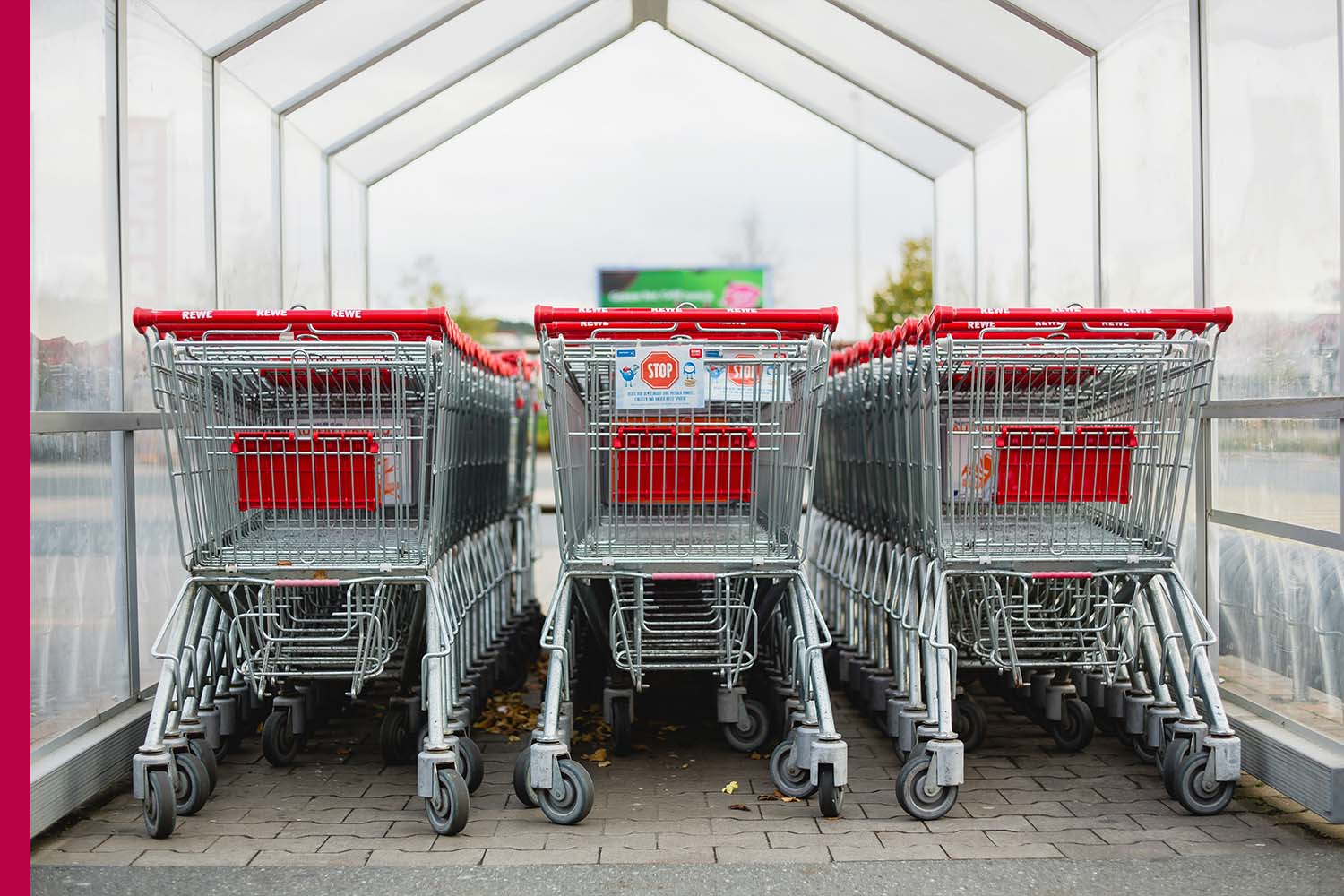





The retail industry has experienced a major transformation with the rapid growth of e-commerce and digital shopping platforms. Traditional offline retail, which has been the foundation of commerce for centuries, now faces strong competition from online marketplaces and digital brands. While e-commerce offers convenience and accessibility, offline retail continues to provide personal interaction and physical shopping experiences. Both models have unique advantages and challenges, and their future will depend on how they adapt to changing consumer expectations.
E-commerce refers to buying and selling products through online platforms using websites, mobile applications, and digital marketplaces. It has become increasingly popular due to the widespread use of smartphones, improved internet connectivity, and changing lifestyles. Consumers can browse thousands of products, compare prices, read reviews, and complete purchases from anywhere at any time. This convenience has made online shopping a preferred choice for many customers.
One of the biggest advantages of e-commerce is accessibility. Online stores are available 24/7, allowing customers to shop according to their own schedules. Unlike physical stores with fixed operating hours, digital platforms provide continuous access to products and services. This flexibility is especially valuable for busy consumers who prefer quick and convenient shopping experiences.
E-commerce also provides businesses with opportunities to reach a global customer base. Small and medium-sized businesses can sell products beyond geographical boundaries without investing heavily in physical stores. Digital marketing tools, social media promotions, and online advertising help businesses target specific audiences and build strong customer relationships.
Another major benefit of online retail is personalization. E-commerce platforms use Artificial Intelligence (AI) and data analytics to understand customer preferences and recommend products based on previous purchases and browsing behavior. This creates a customized shopping experience and helps businesses improve customer engagement.
However, e-commerce also has certain limitations. Customers cannot physically examine products before purchasing, which can create uncertainty about quality, size, or appearance. Delivery delays, shipping costs, and return processes may also affect customer satisfaction. Additionally, concerns about cybersecurity and online payment safety remain important issues.
Offline retail, also known as traditional retail, involves purchasing products from physical stores. Despite the growth of online shopping, offline retail continues to remain important because it provides a direct and interactive shopping experience. Customers can touch, feel, test, and compare products before making a purchase decision.
One of the strongest advantages of offline retail is personal service. Store employees can provide recommendations, answer questions, and guide customers through their buying decisions. This human interaction creates trust and improves customer relationships. Physical stores also offer immediate product availability, allowing customers to take purchases home without waiting for delivery.
Offline retail plays a significant role in creating memorable brand experiences. Many consumers enjoy visiting shopping centers, specialty stores, and local markets because shopping is not only about purchasing products but also about social interaction and entertainment.
However, traditional retail faces challenges such as higher operating costs, including rent, electricity, maintenance, and employee expenses. Physical stores are also limited by location and may struggle to compete with the wide product variety offered by online platforms.
The future of retail is likely to involve a combination of both models. Many businesses are adopting an omnichannel approach, integrating online and offline experiences. Customers can research products online, visit stores for physical experiences, and complete purchases through whichever method is most convenient.
Technologies such as smart stores, digital payments, augmented reality, and automated inventory systems are helping offline retailers compete in the digital age. Similarly, e-commerce platforms are improving customer experience through faster delivery, virtual product demonstrations, and better customer support.
In conclusion, e-commerce and offline retail each offer unique benefits and challenges. Online shopping provides convenience, accessibility, and personalization, while physical stores offer trust, interaction, and hands-on experiences. Rather than replacing one another, both models are evolving together to meet the changing needs of consumers. The future of retail will belong to businesses that successfully combine digital innovation with meaningful customer experiences.