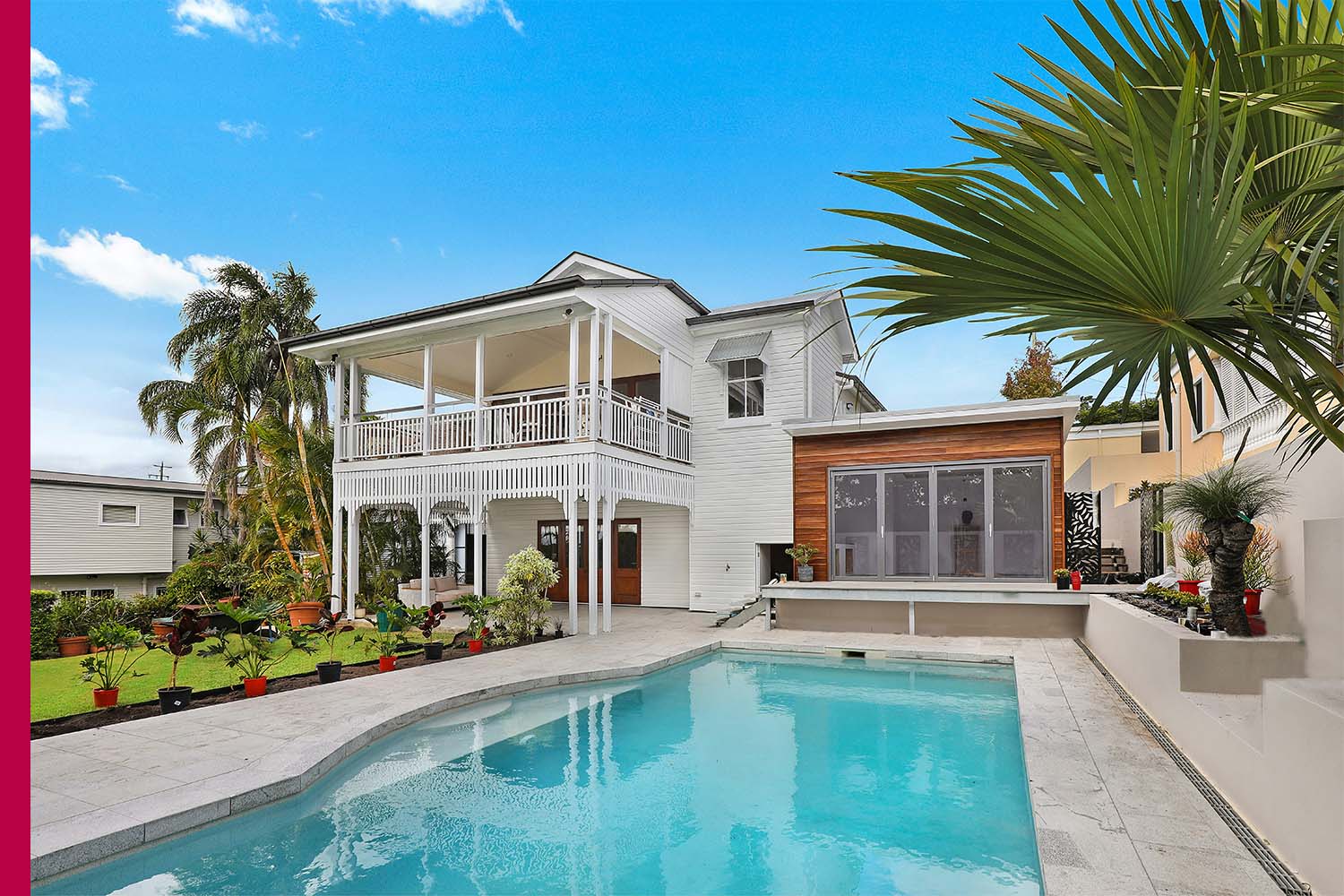





The way people live is rapidly changing as technology, sustainability, and evolving lifestyles influence the future of housing. Smart homes and modern housing trends are redefining residential spaces by combining innovation, comfort, efficiency, and security. With advancements in the Internet of Things (IoT), Artificial Intelligence (AI), automation, and green technologies, homes are becoming more connected and intelligent. The future of housing is moving beyond traditional structures toward living spaces designed to improve convenience, energy efficiency, and overall quality of life.
A smart home is a residence equipped with connected devices and automated systems that allow homeowners to control various functions remotely or automatically. Smart lighting, intelligent security systems, automated appliances, smart thermostats, and voice-controlled assistants are becoming increasingly common features in modern homes. These technologies enable residents to manage their living environments through smartphones, tablets, or voice commands, creating a more convenient and personalized experience.
One of the biggest advantages of smart homes is improved energy efficiency. Rising energy costs and growing environmental awareness have increased demand for sustainable housing solutions. Smart thermostats, energy monitoring devices, and automated lighting systems help reduce unnecessary energy consumption by adjusting usage based on occupancy and preferences. Integration with renewable energy sources such as solar panels further supports environmentally friendly living.
Security is another major factor driving the growth of smart home technology. Traditional security systems are being replaced by advanced solutions that include smart cameras, motion sensors, digital locks, and real-time alerts. Homeowners can monitor their properties remotely and receive notifications about unusual activities. These features provide greater protection and peace of mind for families.
Artificial Intelligence is playing an important role in making homes smarter. AI-powered systems can learn user habits and automatically adjust settings to match daily routines. For example, a smart home system may recognize preferred temperature settings, lighting patterns, or entertainment choices and personalize the environment accordingly. This level of automation improves comfort while making daily activities more efficient.
Sustainability has become a major trend shaping modern housing development. Green buildings, eco-friendly materials, water-saving systems, and energy-efficient designs are gaining popularity. Homeowners and developers are focusing on reducing environmental impact while creating healthier living spaces. Features such as rainwater harvesting, smart irrigation, and efficient waste management systems are becoming part of sustainable housing projects.
Another important housing trend is the rise of flexible and multifunctional spaces. Changing lifestyles, remote work, and hybrid working models have increased the demand for homes that support multiple activities. Modern homes are being designed with adaptable rooms that can function as offices, study areas, entertainment spaces, or fitness zones depending on residents’ needs.
The concept of connected communities is also influencing future housing. Smart cities are integrating technology into residential areas through intelligent transportation, digital services, improved infrastructure, and efficient resource management. Smart neighborhoods aim to create better-connected, safer, and more sustainable communities.
Technology is also influencing the construction industry. Builders and architects are using digital tools, 3D modeling, automation, and advanced materials to create smarter and more efficient homes. Prefabricated construction, modular housing, and smart building systems are helping reduce costs and construction time while improving quality.
Despite the benefits, smart homes and advanced housing technologies face challenges. High installation costs, data privacy concerns, cybersecurity risks, and the need for technical knowledge can limit adoption. As more devices become connected, protecting personal information and ensuring system security will become increasingly important.
In conclusion, smart homes and modern housing trends are transforming the future of residential living. Technology, sustainability, and innovative design are creating homes that are more efficient, secure, and responsive to human needs. As advancements continue, future homes will become more intelligent, environmentally responsible, and better suited to the changing lifestyles of people around the world.