


The concept of housing is changing rapidly as the world faces environmental challenges, population growth, and increasing demand for better living spaces. Sustainable housing developments have emerged as a solution that focuses on creating homes that are environmentally responsible, energy-efficient, and designed for long-term community well-being. These developments combine modern technology, smart design, and eco-friendly practices to create a balance between comfortable living and environmental protection.
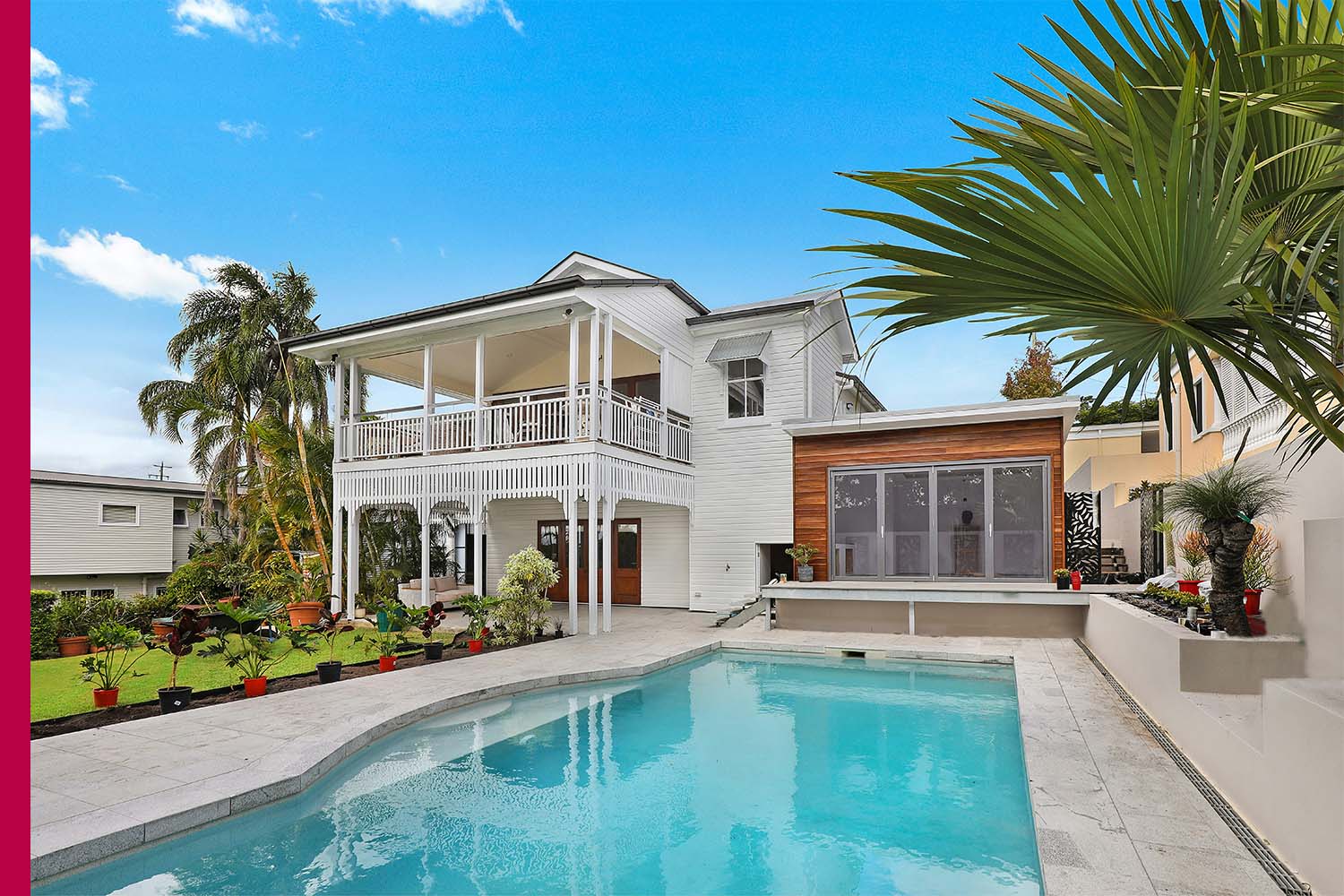
Sustainable housing refers to the planning, construction, and operation of homes in ways that reduce environmental impact while improving the quality of life for residents. Unlike traditional housing models that often consume large amounts of energy and resources, sustainable developments aim to minimize waste, conserve natural resources, and create healthier living environments.
One of the key features of sustainable housing developments is energy efficiency. Modern sustainable homes are designed to reduce energy consumption through better insulation, energy-efficient appliances, smart lighting systems, and renewable energy sources. Solar panels, energy management systems, and efficient heating and cooling solutions help reduce dependence on traditional energy sources while lowering utility costs for residents.
Water conservation is another important element of sustainable housing. Growing urban populations have increased pressure on water resources, making efficient water management essential. Sustainable housing projects often include rainwater harvesting systems, water recycling solutions, low-flow fixtures, and efficient irrigation methods. These practices help reduce water waste and support long-term resource conservation.
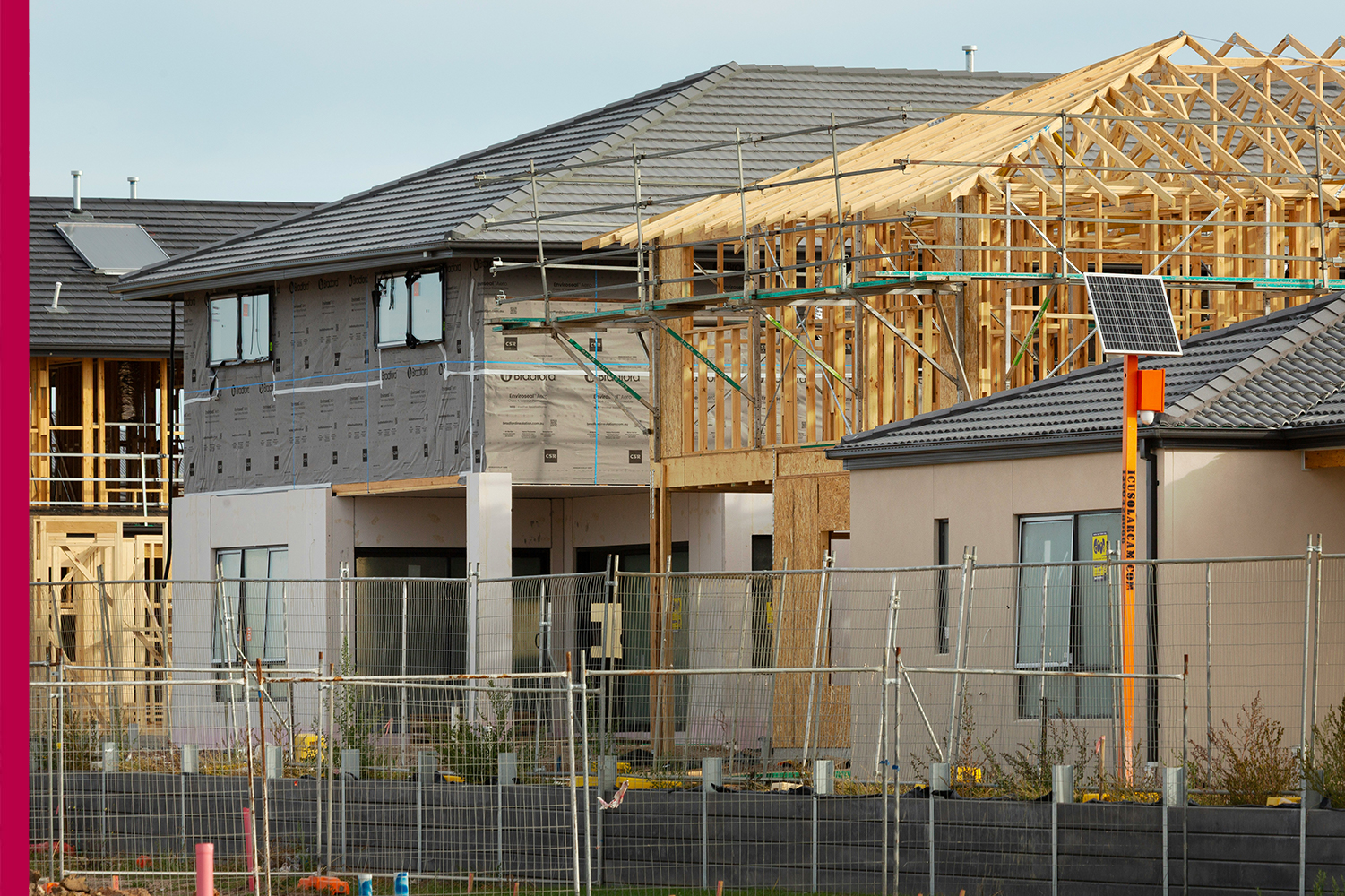
The use of eco-friendly construction materials is also becoming a major focus in sustainable developments. Builders are increasingly choosing materials that have lower environmental impact, such as recycled materials, locally sourced resources, and sustainable alternatives. Green construction practices help reduce carbon emissions and minimize the environmental footprint of building projects.
Smart technology plays an important role in modern sustainable housing. Smart homes use connected devices and automation systems to improve energy efficiency and convenience. Residents can control lighting, temperature, security systems, and appliances through digital platforms. These technologies allow homeowners to monitor and reduce resource consumption while creating more comfortable living spaces.
Sustainable housing developments also focus on creating healthier indoor environments. Traditional buildings may contain materials that affect indoor air quality. Sustainable designs prioritize natural ventilation, improved air circulation, non-toxic materials, and access to natural light. These features contribute to better physical and mental well-being for residents.
Community planning is another important aspect of sustainable housing. Modern developments are moving beyond individual homes and focusing on creating complete communities. Features such as green spaces, walking paths, cycling areas, shared facilities, and public transportation access encourage healthier lifestyles and reduce dependence on private vehicles.
The integration of green spaces has multiple benefits. Parks, gardens, and trees help improve air quality, reduce urban heat, support biodiversity, and create relaxing environments. Sustainable housing projects often include landscape designs that balance construction with nature, creating more pleasant and environmentally friendly neighborhoods.
Transportation planning is also connected to sustainable housing. Developments located near public transportation systems help reduce traffic congestion and carbon emissions. Some communities are also incorporating electric vehicle charging stations and pedestrian-friendly designs to encourage cleaner mobility options.
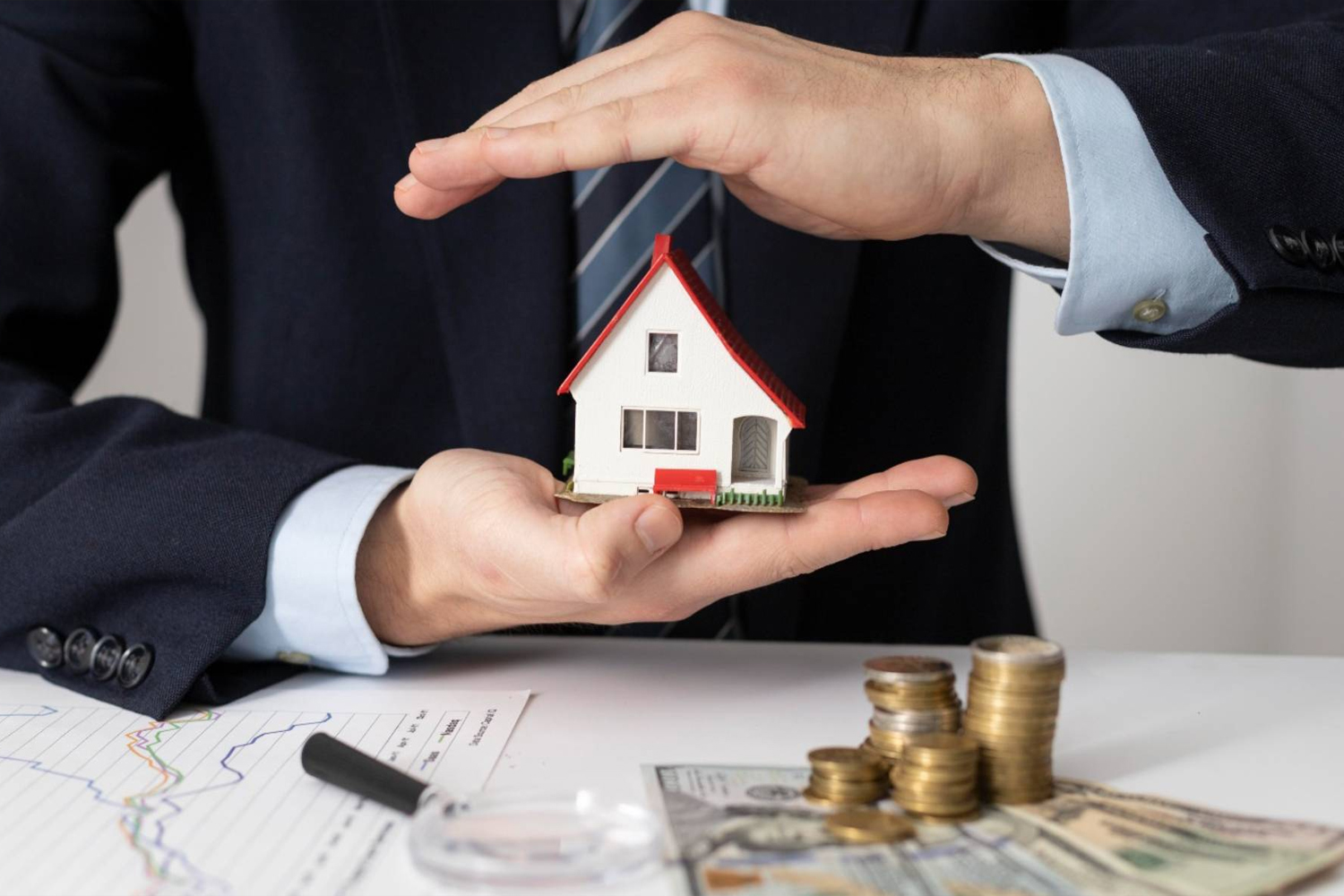
Sustainable housing provides economic benefits as well. Although initial construction costs may sometimes be higher, energy-efficient systems and resource-saving technologies can reduce long-term expenses. Lower energy and maintenance costs make sustainable homes financially attractive over time. Additionally, properties with green features often have higher value due to increasing demand for environmentally responsible living.
Governments and organizations are supporting sustainable housing through policies, incentives, and green building standards. These initiatives encourage developers to adopt environmentally friendly practices and promote responsible urban growth. As sustainability becomes a priority, housing regulations and construction methods are evolving to support greener development.
However, sustainable housing developments also face challenges. High initial investment, limited awareness, availability of green materials, and technical requirements can slow adoption. Education, innovation, and collaboration between governments, builders, and communities are necessary to overcome these barriers.
The future of sustainable housing will likely involve greater integration of artificial intelligence, renewable energy, advanced materials, and smart infrastructure. Future homes will become more adaptable, efficient, and connected, allowing residents to enjoy modern lifestyles while reducing environmental impact.
In conclusion, sustainable housing developments represent a major step toward creating a more responsible future. By combining energy efficiency, eco-friendly design, smart technology, and community-focused planning, these developments provide solutions for both environmental challenges and modern living needs. As cities continue to grow, sustainable housing will play a crucial role in building healthier, greener, and more resilient communities for future generations.