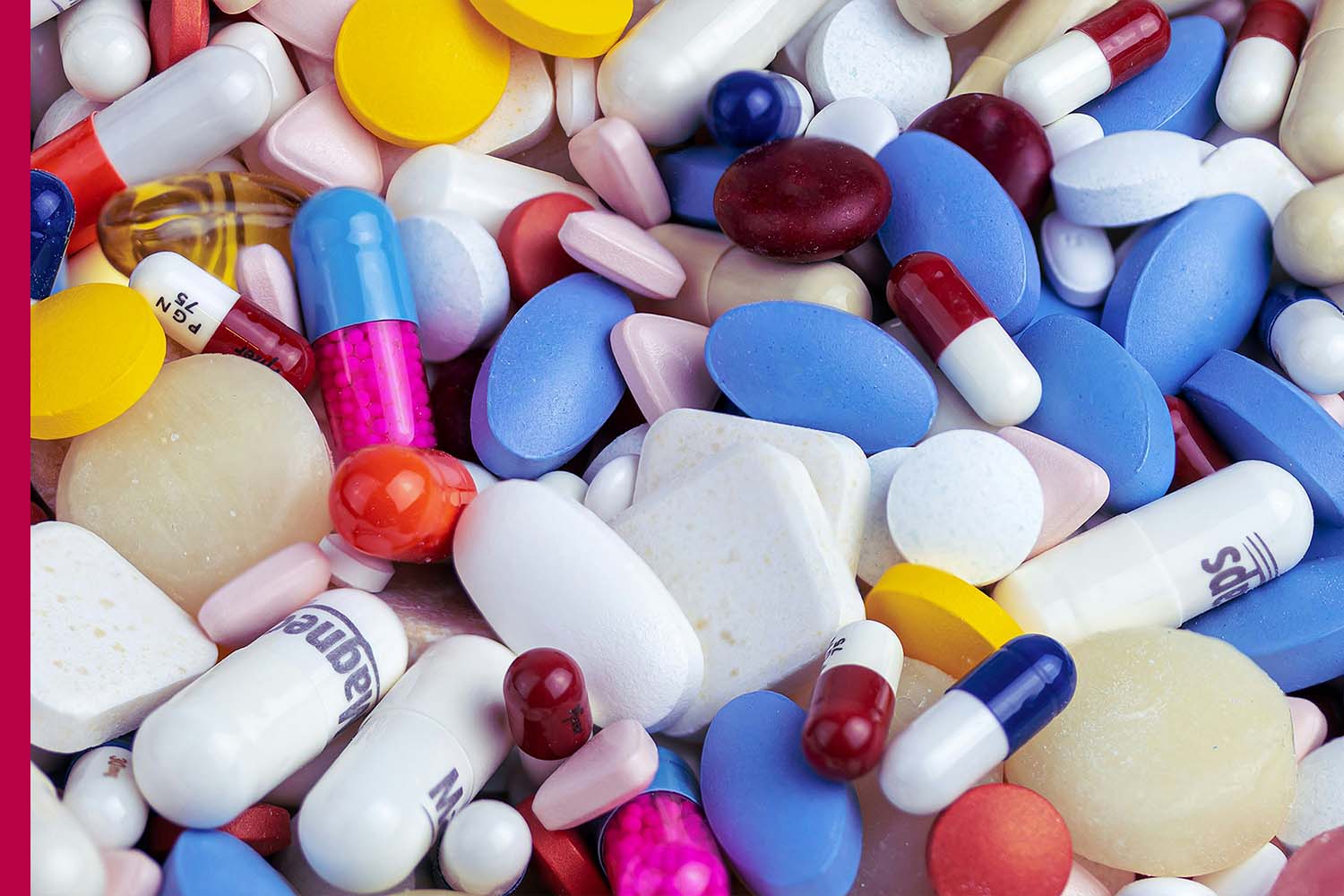
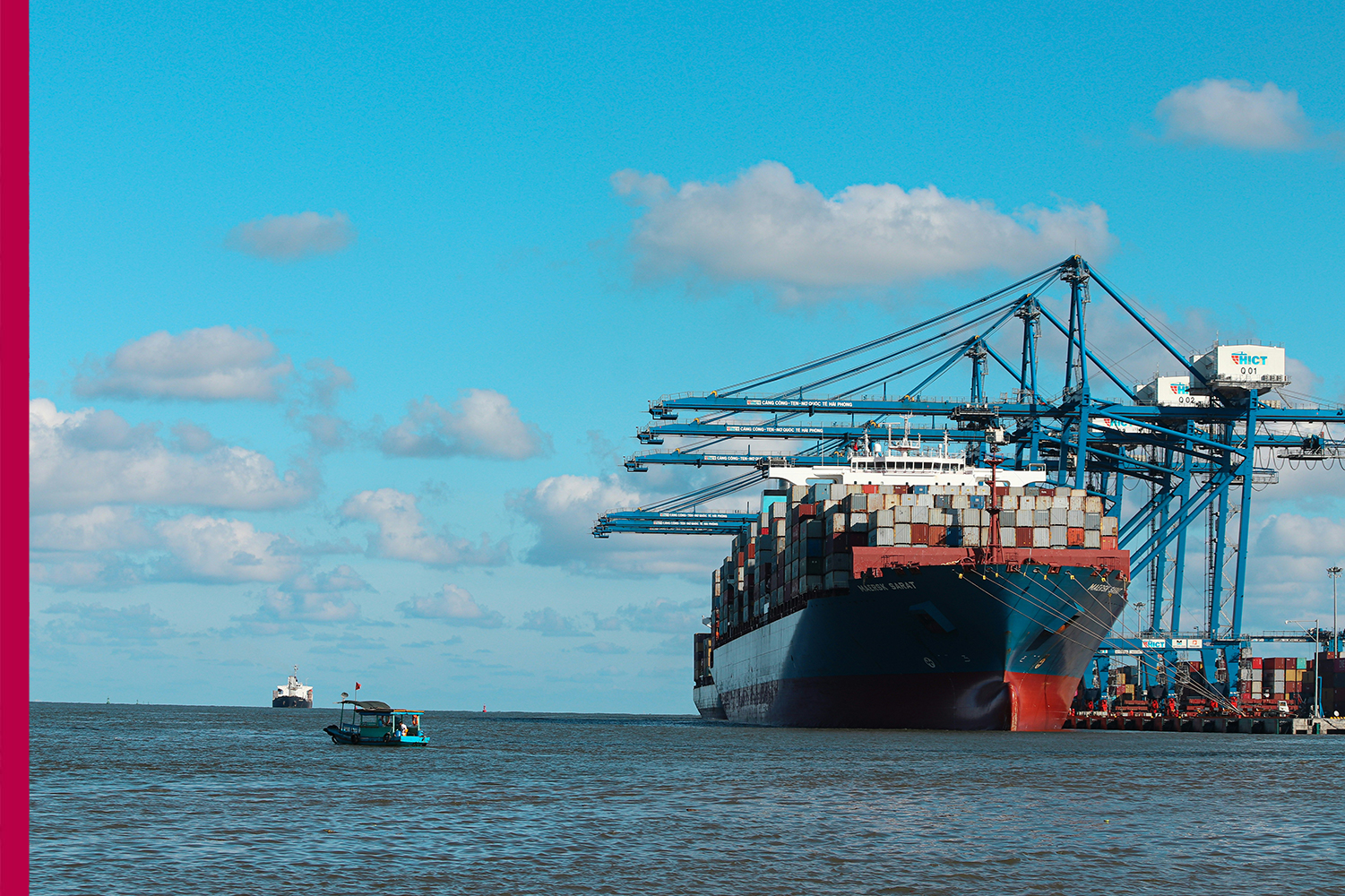



The pharmaceutical industry plays a vital role in protecting public health by producing medicines, vaccines, and healthcare products that millions of people depend on every day. Behind every medicine available in hospitals and pharmacies is a complex global supply chain involving research facilities, manufacturers, suppliers, distributors, and healthcare providers. However, pharmaceutical supply chains face several challenges that can affect availability, quality, cost, and timely delivery of essential products.
Pharmaceutical supply chains are more complex than many other industries because they require strict quality control, regulatory compliance, and specialized handling. Medicines often depend on multiple raw materials, advanced manufacturing processes, temperature-controlled storage, and careful transportation. Any disruption at one stage can impact the entire supply network.
One of the biggest challenges in pharma supply chains is the availability of raw materials. Many pharmaceutical companies depend on active pharmaceutical ingredients (APIs), chemicals, and other components sourced from different regions. Global dependence on limited suppliers can create risks when production issues, trade restrictions, or transportation delays occur. Maintaining reliable supplier networks has become essential for ensuring uninterrupted medicine production.
Global supply chain disruptions have also become a major concern for the pharmaceutical sector. Events such as natural disasters, geopolitical tensions, transportation problems, and public health emergencies can affect manufacturing and distribution. Delays in receiving materials or delivering finished medicines can create shortages and impact patient care. Pharma companies are now focusing on building more flexible and diversified supply chains.
Regulatory compliance is another significant challenge. Pharmaceutical products must meet strict safety and quality standards established by regulatory authorities. Every stage of the supply chain, including manufacturing, storage, and transportation, must follow approved guidelines. Managing different regulations across countries can increase complexity and require continuous monitoring.
Quality control is one of the most important aspects of pharmaceutical supply chains. Even small errors in production, handling, or storage can affect medicine safety and effectiveness. Companies must maintain strict quality assurance systems, conduct regular inspections, and ensure that suppliers meet required standards. Maintaining consistent quality across global operations requires strong coordination.
Temperature-controlled logistics, also known as cold chain management, is another critical challenge in pharma distribution. Many medicines and vaccines require specific temperature conditions during storage and transportation. Maintaining the correct environment throughout the journey requires advanced monitoring systems and reliable infrastructure. Any failure in cold chain management can lead to product damage and financial losses.
Counterfeit medicines are another major concern affecting pharmaceutical supply chains. Fake or unauthorized products can enter distribution networks and create serious health risks. Companies are investing in technologies such as blockchain, digital tracking, and serialization systems to improve product authentication and traceability.
Demand forecasting is also challenging for pharmaceutical companies. Healthcare needs can change quickly due to disease outbreaks, seasonal variations, and changing patient requirements. Inaccurate forecasting can lead to either excess inventory or shortages. Advanced data analytics and artificial intelligence are helping companies improve demand prediction and inventory management.
Cost management is another challenge in pharma supply chains. Rising transportation expenses, manufacturing costs, and regulatory requirements affect overall operations. Companies must find ways to improve efficiency while maintaining product quality and affordability. Automation, digital tools, and optimized logistics strategies are becoming important solutions.
The shortage of skilled professionals is also affecting supply chain operations. Pharmaceutical supply chains require experts in logistics, quality management, regulatory affairs, and technology. Developing skilled teams is necessary for managing increasingly complex global networks.
Technology is playing an important role in overcoming pharma supply chain challenges. Artificial intelligence, predictive analytics, Internet of Things (IoT) devices, and blockchain are improving visibility and control. These technologies help companies monitor shipments, predict risks, improve inventory planning, and strengthen transparency.
Sustainability is becoming an emerging focus area in pharmaceutical supply chains. Companies are working to reduce environmental impact by improving energy efficiency, reducing waste, and adopting greener transportation methods. Sustainable supply chain practices help balance business goals with environmental responsibility.
To improve resilience, many pharmaceutical companies are adopting strategies such as supplier diversification, regional manufacturing, digital transformation, and stronger risk management systems. Building flexible supply chains allows companies to respond faster during unexpected disruptions.
In conclusion, pharmaceutical supply chain challenges require continuous innovation, collaboration, and strategic planning. From raw material shortages and regulatory complexity to cold chain management and global disruptions, the industry must overcome multiple obstacles to ensure reliable medicine availability. By adopting advanced technologies and resilient practices, pharma companies can create stronger supply networks that support better healthcare outcomes and protect communities worldwide.