


The future of mobility is moving beyond electric vehicles towards a more ambitious possibility: cars that can drive themselves without human supervision. Tesla’s latest move involving its Cybercab has brought this vision closer to the consumer market, while also raising important questions about regulation, affordability and road safety.
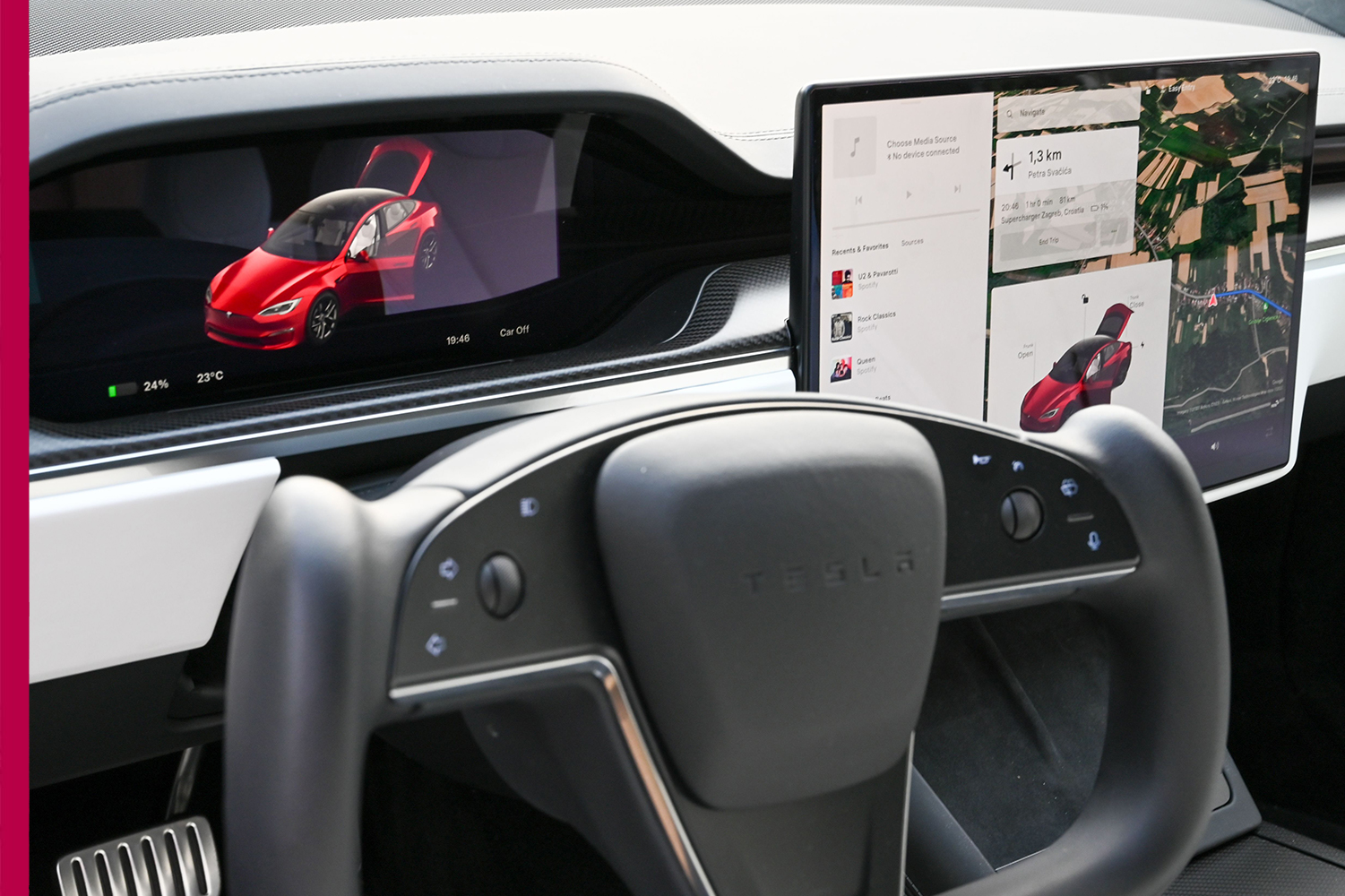
On November 14, 2026, Reuters reported that Tesla had invited selected customers to purchase its Cybercab for personal use. The announcement marks a significant development for a vehicle originally designed around the company’s autonomous robotaxi ambitions.
Tesla displayed a proposed price of $29,990 for the two-seat vehicle, alongside an additional $299 monthly Autonomy Subscription. Chief Executive Elon Musk subsequently indicated that the subscription cost could be reduced to align more closely with the company’s existing Full Self-Driving and connectivity services.
The company has indicated that the Cybercab could become available more widely as it receives the necessary regulatory approvals. Tesla has also stated that it aims to begin public sales before the end of 2026.
The development builds on Tesla’s existing robotaxi operations. Its unsupervised robotaxi service began in Austin, Texas, in June 2025 and subsequently expanded to Dallas, Houston and Miami during 2026.
However, an important distinction remains between a company announcing an autonomous driving capability and regulators approving its use in every location. Autonomous vehicles must meet local safety requirements, and their ability to operate without human supervision depends on regulatory permissions and operating conditions.
India is approaching the mobility transition from another direction: electrifying public transportation. Mumbai’s Brihanmumbai Electric Supply and Transport undertaking has signed an agreement to introduce 1,500 air-conditioned electric midi buses under the PM E-Drive scheme. The vehicles are expected to enter service in phases from March 2027 through March 2028, helping restore up to 125 discontinued routes and improve last-mile connectivity.
These developments demonstrate that the future of mobility will not be shaped by a single technology. Autonomous cars, electric buses, connected transport systems and shared mobility services are developing simultaneously.
For cities, the challenge will be to create infrastructure that supports these innovations while keeping transport affordable and accessible. Charging networks, road design, traffic management, digital connectivity and safety regulations will all influence the pace of adoption.
For automotive manufacturers, mobility companies and technology developers, the opportunity is substantial. The next generation of transport businesses may compete not only through vehicle sales, but also through software, subscriptions, fleet management and integrated mobility services.
The real test of autonomous mobility will be whether it can deliver reliable, safe and affordable transportation beyond carefully controlled environments. The road to driverless transport is advancing, but its success will depend as much on public trust and regulation as on engineering.