

Physical retail is undergoing a transformation as brands rethink the purpose of their stores. Rather than treating shops simply as places to display products and complete transactions, companies are increasingly turning them into destinations for experiences, communities and brand engagement.
American athletic footwear company Saucony is one of the latest examples of this strategy. In a November 16, 2026 report, Modern Retail described how the brand is expanding its presence across Europe through flagship stores, running events and community-building initiatives.
Owned by Wolverine Worldwide, Saucony opened its first European flagship in London’s Covent Garden last year. The company is preparing to open another location in Paris in December 2026, strengthening its presence in one of the world’s most influential fashion and lifestyle markets.
The Paris store is designed to function as more than a traditional footwear shop. The five-storey location will include retail space, a community area with lockers and coffee facilities, a product showroom and offices for the company’s local teams.
The brand is also using running clubs, fitness activities and sponsored races to build relationships with customers. Its event strategy has included the Berlin 10K, London 10K and Shoreditch Half Marathon, with the Eiffel Tower 10K scheduled for December.
The commercial performance behind this expansion is notable. Saucony’s third-quarter revenue increased 19.4% year-on-year to $158.9 million, supported by sales through its website and retail partners.
The company’s strategy reflects a wider change in consumer behaviour. Many customers want to experience a brand before making a purchase. Events, product demonstrations, personalised services and community activities can create stronger relationships than conventional advertising alone.
The retail sector is also facing pressure to improve operational resilience. A KPMG Global Consumer and Retail CEO Outlook report published on November 10 found that 48% of surveyed consumer and retail CEOs identified supply-chain resilience as a major threat to growth over the next three years. The report also found that 71% considered artificial intelligence a top investment priority.
These findings suggest that retailers are working on two fronts simultaneously: improving the customer experience while strengthening the systems that support product availability, fulfilment and business continuity.
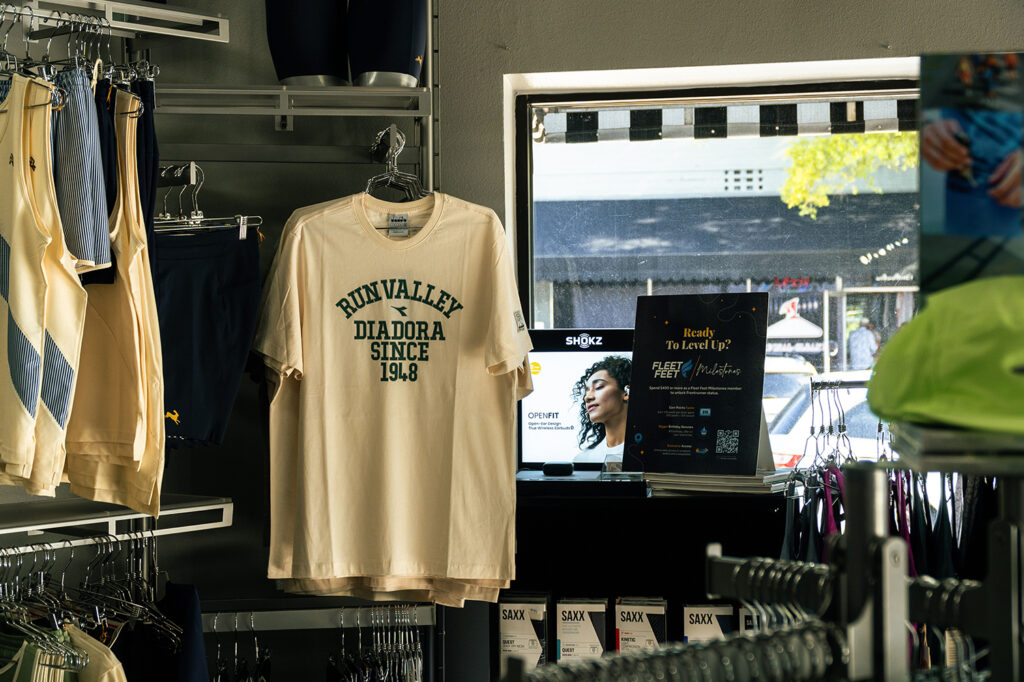
Artificial intelligence can help retailers forecast demand, personalise recommendations and improve inventory management. Physical stores, meanwhile, can offer experiences that are difficult to replicate through digital channels.
For smaller retailers, the lesson is not necessarily to build expensive flagship locations. Even a neighbourhood store can create customer loyalty through workshops, demonstrations, local partnerships and personalised service.
The future of retail is therefore unlikely to be a competition between online and offline shopping. It will be shaped by how effectively businesses combine digital convenience with meaningful physical experiences.
The most successful stores may become places where customers do more than buy products. They will discover brands, meet communities and develop relationships that continue long after the purchase.