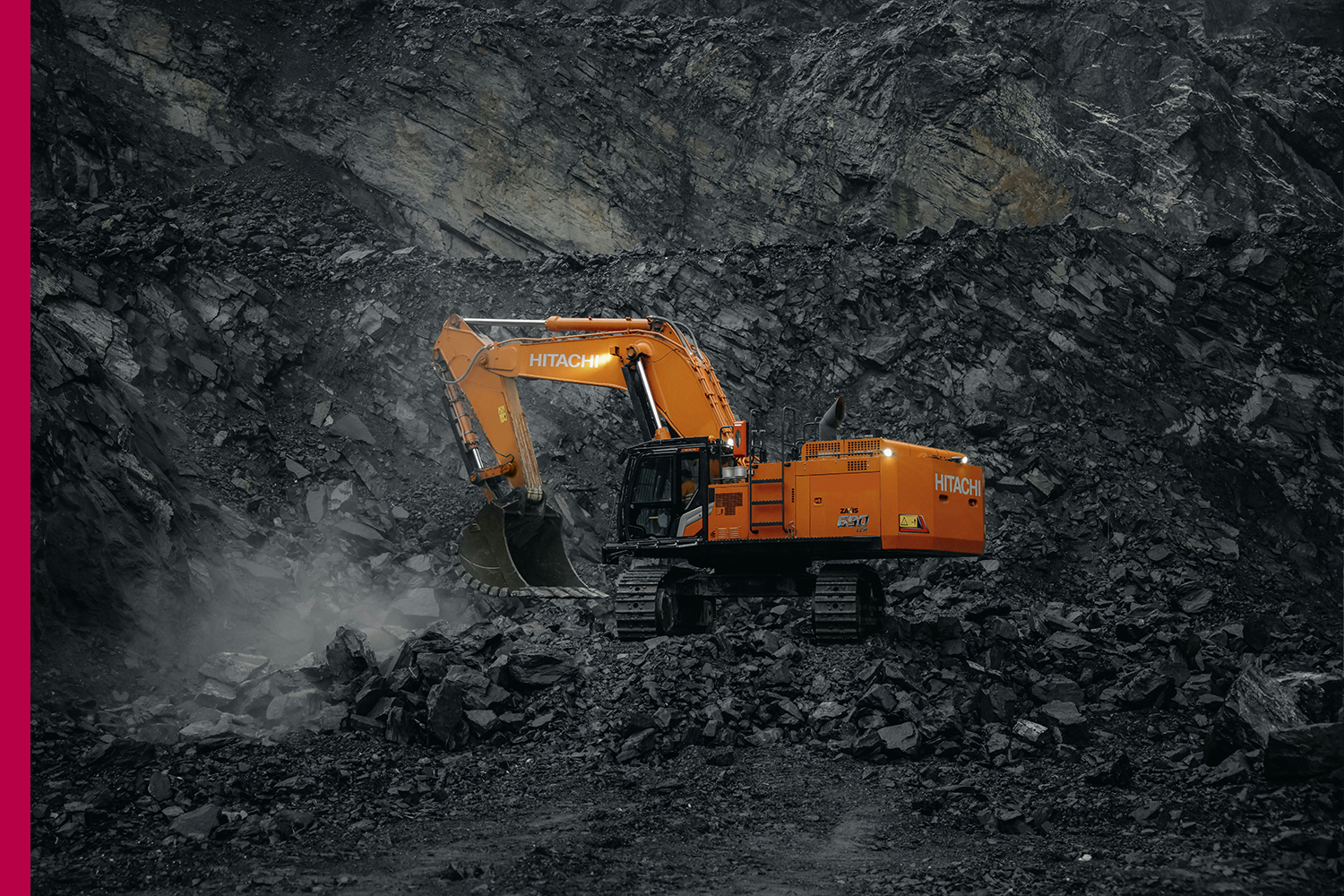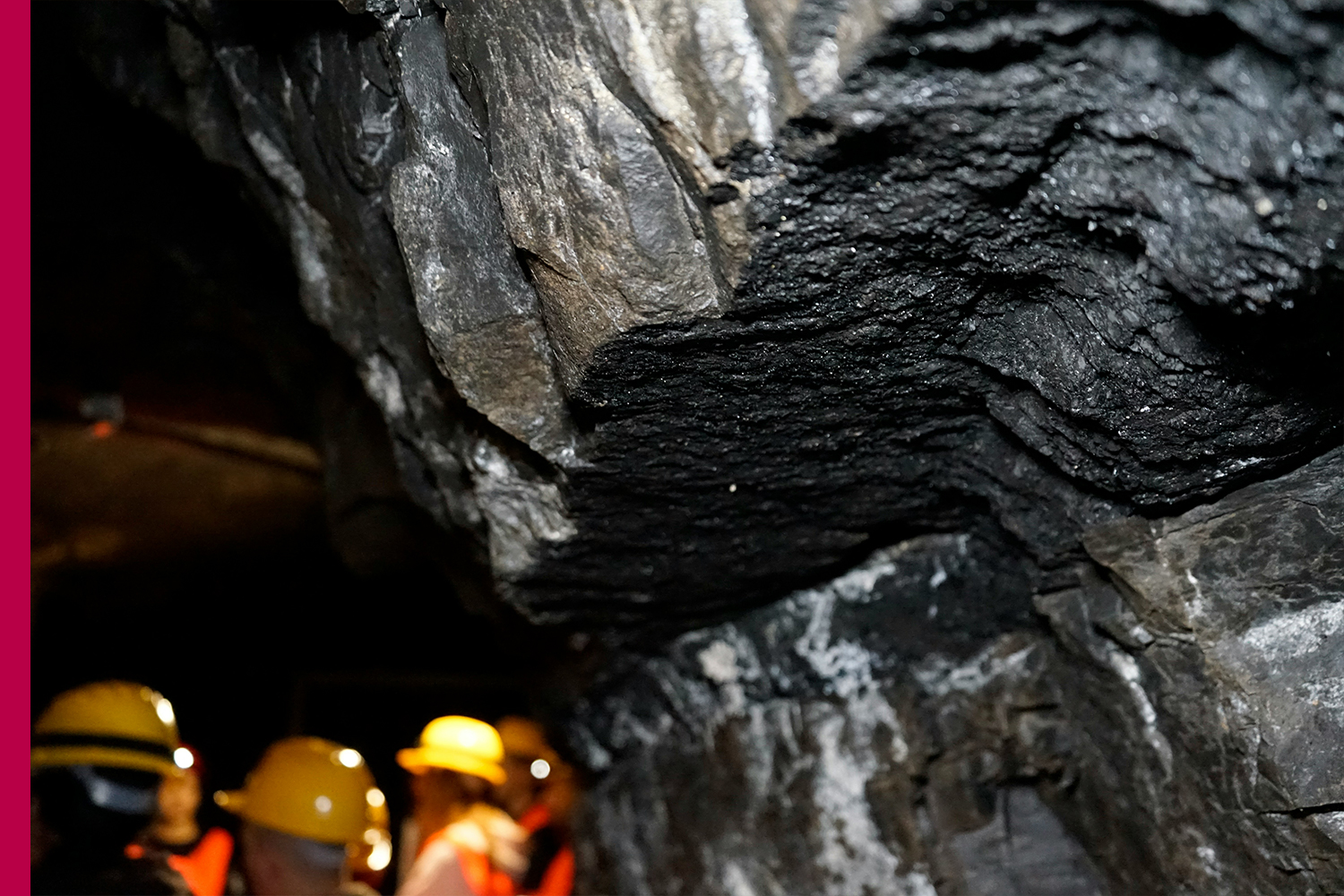

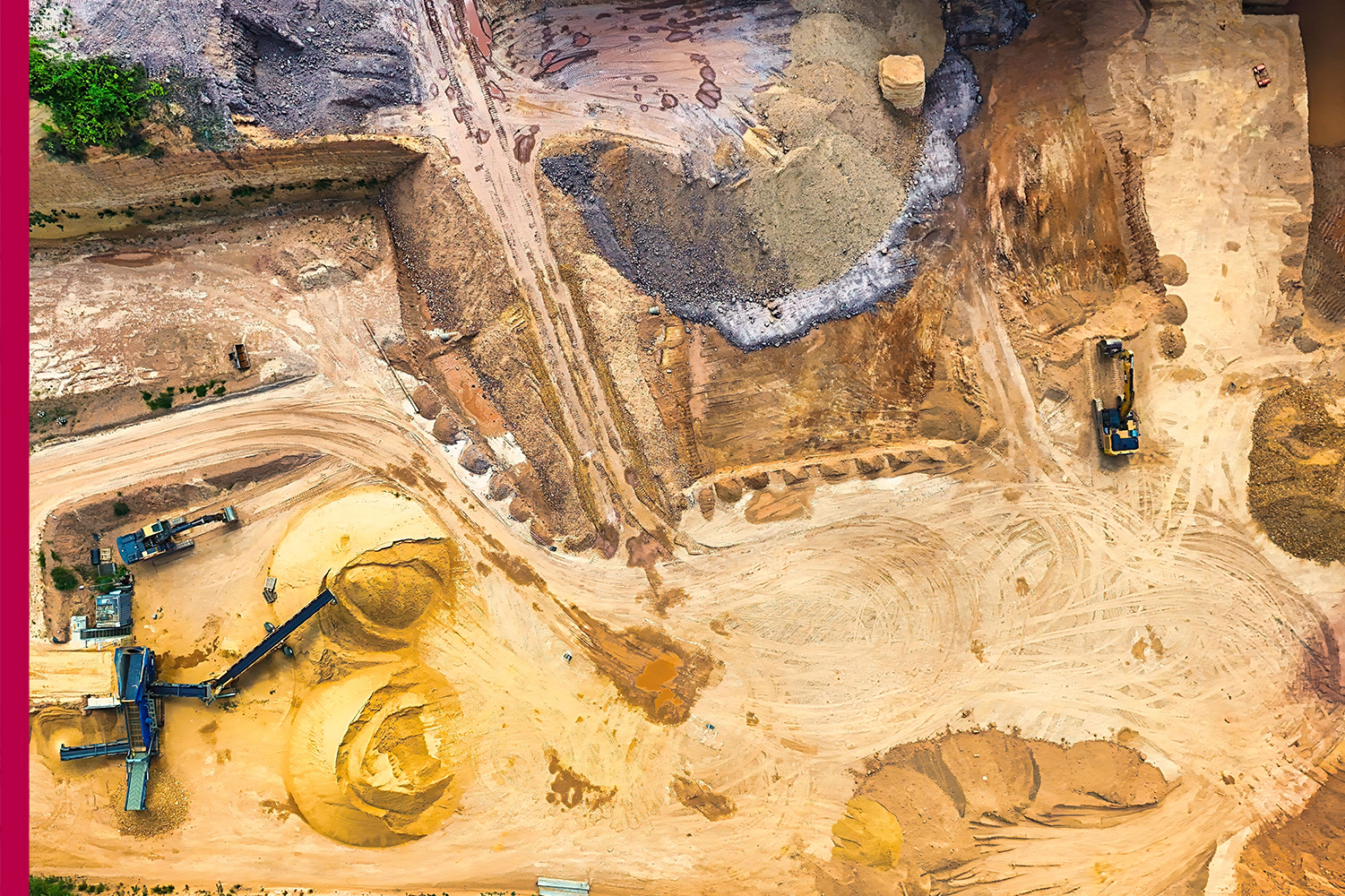


The mining industry is undergoing a major transformation as countries compete to secure the raw materials needed for advanced technology, energy infrastructure, electric vehicles and defence systems.
For generations, mining was largely associated with the extraction of coal, iron ore, gold and other traditional commodities. Today, the industry is increasingly judged by its ability to supply critical minerals such as rare earth elements, niobium, lithium, graphite, cobalt and copper.
These materials are essential to technologies ranging from permanent magnets and batteries to semiconductors, electric motors and advanced communication systems.
A significant international development emerged in East Africa on November 19, 2026, when Reuters reported that Kenya had selected a US-led consortium as its preferred bidder to develop the Mrima Hill critical-minerals project.
The deposits are believed to contain niobium and rare earth elements, making the project strategically important for the global minerals market. However, the announcement has also raised questions about community consultation, environmental protection and the future ownership of valuable natural resources.
Why critical minerals have become strategic assets
The global transition towards electrification and advanced manufacturing is increasing the importance of minerals that were once considered specialised industrial materials.
Rare earth elements are used in high-performance permanent magnets, which are important for wind turbines, electric vehicles and precision equipment. Niobium is used in specialised steel alloys and other advanced applications.
Graphite is a major component of many lithium-ion batteries, while lithium and cobalt are important materials in several battery chemistries.
The growing demand for these resources has encouraged governments to treat mineral supply as a matter of economic and national security.
The challenge is that production and processing are concentrated in relatively few countries. This creates potential vulnerabilities when trade restrictions, geopolitical tensions or operational disruptions affect supply.
Kenya’s Mrima Hill project puts resource governance in focus
The selection of the Frontier Minerals Consortium for the Mrima Hill project illustrates how the critical-minerals race is expanding geographically.
The consortium includes four US companies and was selected as the preferred bidder for the development of niobium and rare earth deposits in coastal Kwale County.
However, the selection is not itself a mining licence. The consortium must still engage with local communities, obtain the required approvals and pursue the necessary prospecting permissions.
The project has attracted concern from residents, farmers and community advocates who want more information about potential land impacts and environmental consequences.
The area includes a forest regarded as sacred by local communities. Critics fear that mining activity could threaten cultural heritage and ecological resources.
This is an important reminder that the value of a mineral deposit cannot be assessed only through its commercial potential. Mining projects also have to account for land rights, local livelihoods, biodiversity and community consent.
China’s influence remains central to mineral supply chains
The global critical-minerals market is strongly influenced by China’s role in mining, processing and manufacturing.
China has developed significant capabilities in rare earth separation, battery materials and other strategic industrial supply chains. This has created a powerful position in sectors that are increasingly important to the global energy transition.
On November 24, Reuters reported that China extended the suspension of certain export restrictions on gallium, germanium, antimony and superhard materials destined for the United States until January 27, 2027.
Although these materials serve different industrial purposes, the decision illustrates how export policies can affect technology manufacturers and strategic industries.
For countries seeking to diversify supply, developing a mine is only one part of the solution. They also need processing facilities, specialised engineering capabilities, transportation infrastructure and reliable long-term customers.
Mining investment is becoming more politically sensitive
Governments are increasingly reviewing foreign investment in mineral assets because of the strategic importance of the resources involved.
International mining partnerships can provide capital, technology and expertise. They can also create opportunities for countries with valuable deposits but limited domestic processing capacity.
However, governments must negotiate agreements that provide long-term national benefits. Questions around royalties, taxation, local employment, infrastructure development and environmental obligations are becoming increasingly important.
The challenge is to attract investment while ensuring that mineral wealth contributes to sustainable economic development.
Environmental responsibility is becoming a business requirement
Mining has a substantial environmental footprint. Operations can affect land, water resources, biodiversity and local communities.
The extraction of critical minerals is particularly challenging because demand is increasing rapidly, encouraging the development of projects in new locations.
Responsible mining requires environmental assessments, water-management systems, rehabilitation plans, transparent monitoring and meaningful community engagement.
Companies that fail to manage these responsibilities may face legal disputes, reputational damage and delays that affect project economics.
Investors are also paying closer attention to environmental and social risks when evaluating mining businesses.
The processing challenge
One of the most important questions in the global mining industry is where minerals are processed.
Countries may possess valuable deposits but lack the facilities required to refine them into materials suitable for industrial use.
Processing can be technically complex, energy-intensive and environmentally challenging. It requires specialised equipment, trained workers and reliable infrastructure.
As governments seek more resilient supply chains, investment in processing capacity is becoming as important as investment in extraction.
The countries that develop integrated capabilities—from exploration to refining and advanced materials production—may gain stronger positions in the global technology economy.
The future of mining
The next era of mining will be shaped by the intersection of geopolitics, technology, sustainability and industrial demand.
Automation, remote operations, AI-based geological analysis and advanced processing systems may improve productivity and safety. Recycling and material substitution could also reduce pressure on newly mined resources.
But the industry must maintain public trust. Critical minerals may be essential to the energy transition, yet their extraction must not create unacceptable environmental or social costs.
The global race for minerals is ultimately a race to secure the foundations of future technology. Its success will depend not only on discovering valuable deposits, but on developing responsible partnerships and supply chains that benefit both producing communities and the wider world.