


Metals have become some of the most strategically important materials in the modern global economy. Copper powers electricity networks and data centres. Aluminium supports transportation, construction and renewable energy. Tin is essential to electronics, while nickel and other industrial metals are important to batteries and advanced manufacturing.
As the world invests in artificial intelligence, electrification, renewable energy and defence, demand for these materials is becoming increasingly connected to technological competition. Yet the global metals market is facing a complicated reality: long-term demand expectations remain important, but short-term prices can be sharply affected by financial markets, supply disruptions and international trade policy.
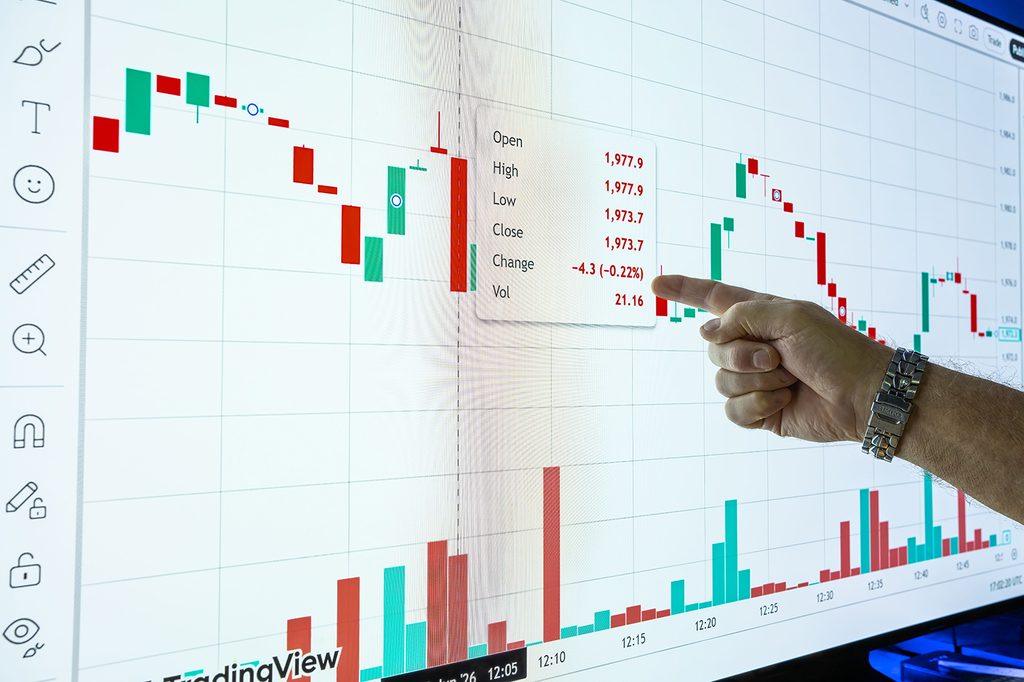
Developments on November 25, 2026, illustrated this volatility. Copper and tin prices fell sharply as an AI-linked market rally faded, while aluminium reached a 13-month low. Reuters reported that benchmark three-month copper on the London Metal Exchange fell 5.6 per cent to US$11,790.50 per metric tonne. Tin declined 8.3 per cent to US$39,110 per tonne.
The movements followed a sharp rebound in metals during the previous trading session, demonstrating how closely commodity markets have become linked to investor sentiment around technology companies.
The AI economy is creating a new metals story
Artificial intelligence is often discussed in terms of software, algorithms and computing power. However, its physical infrastructure requires enormous quantities of industrial materials.
Data centres need electrical cabling, transformers, power distribution systems, cooling equipment, structural materials and backup energy infrastructure. Copper is particularly important because of its electrical conductivity and role in power transmission.
The construction of semiconductor facilities, renewable energy projects and electricity networks also increases demand for metals.
This creates a connection between technology investment and commodity markets. When investors become more optimistic about AI infrastructure, they may anticipate stronger future demand for industrial metals. When technology stocks experience a correction, that optimism can quickly weaken.
The November 25 price movements demonstrated the difference between long-term industrial demand and short-term financial trading. Metals may remain essential to technological development, but their market prices are not guaranteed to move in a straight line.
Aluminium supply is becoming a strategic concern
Aluminium is another material attracting attention because of its importance to transportation, packaging, construction and energy infrastructure.
Earlier in November, market reports highlighted unusually tight aluminium availability on the London Metal Exchange. The cash premium over three-month futures reached a record level in the data reported on November 11, while registered stocks had fallen substantially.
By November 25, aluminium prices had weakened sharply. Reuters reported that the metal reached US$2,744.50 per tonne during the session before trading around US$2,765.
This contrast demonstrates how a market can experience physical tightness and financial price weakness at the same time. Inventory levels, regional supply, trade restrictions and the availability of deliverable metal all influence the market.
The aluminium industry is also facing pressure to reduce emissions. Traditional production is energy-intensive, making electricity costs and access to lower-carbon power important factors in the competitiveness of smelters.
Trade policy is influencing critical materials
The global metals market is increasingly shaped by government decisions as well as commercial demand.
On November 24, Reuters reported that China had extended the suspension of certain restrictions on exports to the United States involving gallium, germanium, antimony and superhard materials until January 27, 2027.
The decision followed a series of extensions connected to the broader trade truce between Beijing and Washington.
These materials have important industrial and technological applications. Gallium and germanium are used in semiconductor-related technologies, while germanium is also relevant to fibre-optic systems, infrared equipment and solar applications. Antimony has applications in industrial and defence-related products.
The decision provides temporary relief for some supply-chain concerns, but it also demonstrates how concentrated production and export controls can influence global industrial planning.
Recycling is becoming a more important source of supply
The metals industry is also looking at recycling as a way to improve supply security and reduce environmental pressure.
Copper recovered from electronic waste, electrical equipment and end-of-life products can supplement newly mined material. Aluminium recycling can require significantly less energy than primary production, making it commercially attractive in many applications.
However, recycling systems require collection networks, sorting technology, processing capacity and reliable quality standards.
The growth of electric vehicles, batteries and electronic devices will create larger volumes of materials that may eventually be recovered and reused.
Companies that develop efficient recovery systems could become important participants in the global metals supply chain.
The next metals competition
The metals industry is entering a period in which price, supply security, energy availability and technological demand will interact more closely.
Mining companies must plan for long development cycles, manufacturers must manage price volatility, and governments must consider the strategic importance of materials that support essential industries.
The next phase of the metals economy will not be determined by demand alone. It will depend on who can secure reliable supplies, develop efficient production systems and recycle materials at scale.
As AI, electrification and advanced manufacturing expand, metals will remain fundamental to the world’s technological ambitions. The challenge will be building supply chains capable of supporting that growth without becoming vulnerable to sudden market or geopolitical shocks.