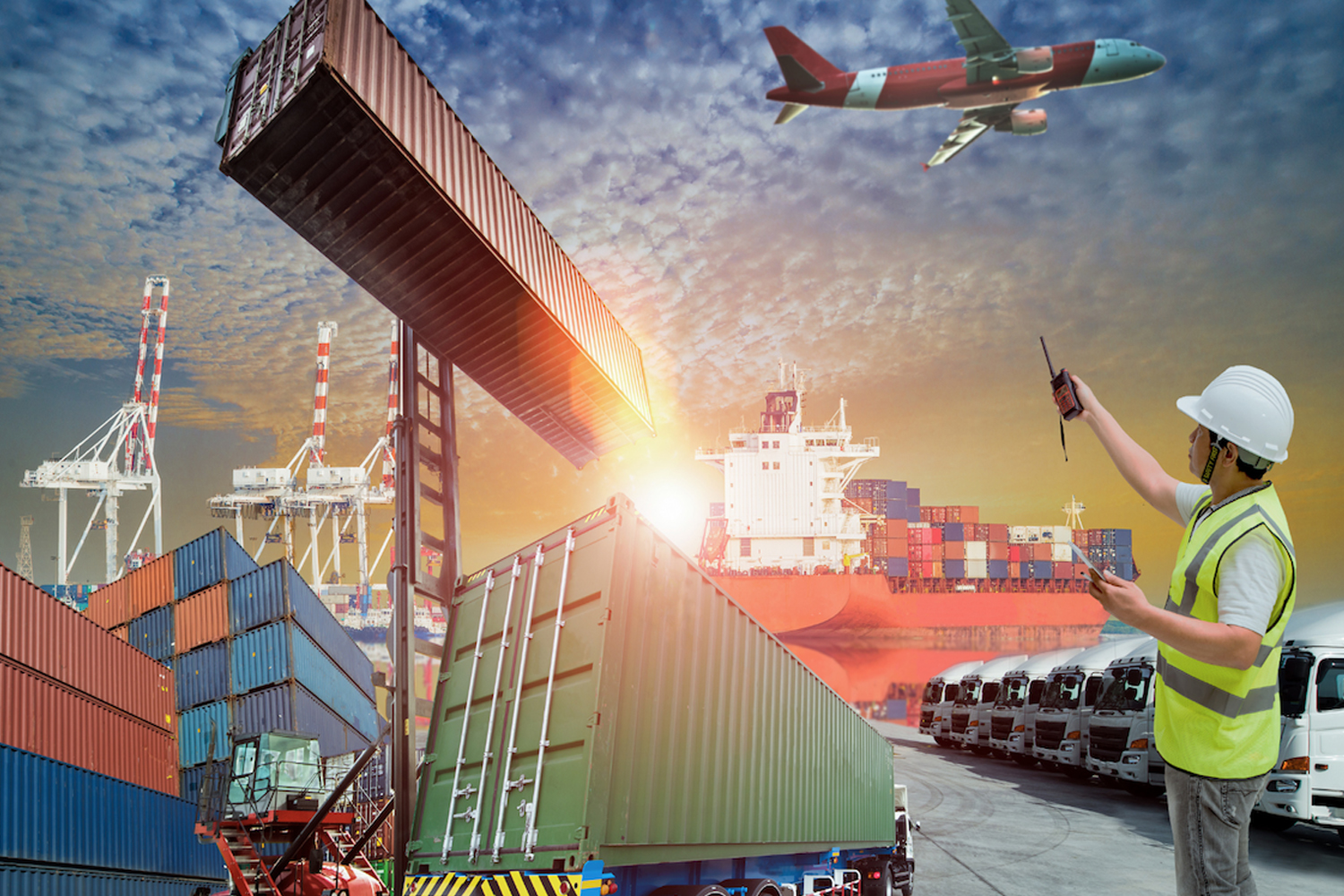




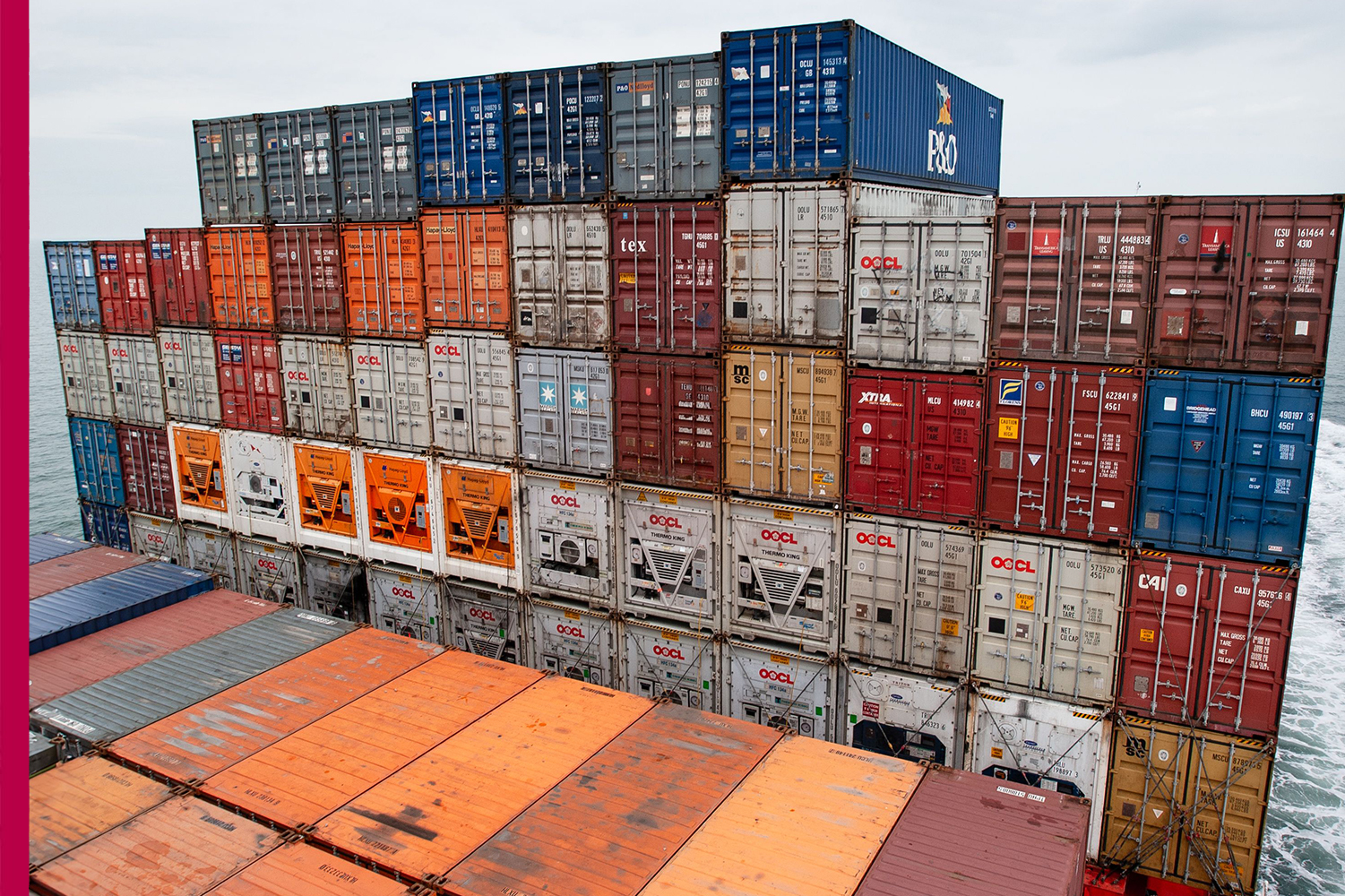
Global shipping and logistics companies are reporting stronger financial performance as international freight demand, port congestion and changing trade routes influence the movement of goods. Recent third-quarter results from major shipping operators reveal a market in which higher freight rates are supporting revenue, while logistics businesses continue to face operational pressures.
CMA CGM, one of the world’s largest shipping and logistics groups, reported third-quarter 2026 revenue of $18.4 billion, representing a 31.1% increase compared with the same period in 2025. Its EBITDA rose 61.6% to $4.8 billion.
The group’s maritime business was a major contributor. Container volumes reached 6.5 million TEUs, an increase of 5.5% year-on-year. Average revenue per TEU increased 30% to $1,891, reflecting stronger freight pricing.
However, the performance of its logistics division presented a different picture. Logistics revenue increased 19.2% to $5.46 billion, but EBITDA declined 14.4% to $366 million. The company attributed the pressure partly to a challenging freight-forwarding market and continuing difficulties in the automotive sector.
This difference is important because modern logistics companies operate across several connected services. Ocean shipping, air freight, warehousing, customs management and last-mile delivery do not always experience the same market conditions.
Hapag-Lloyd also reported stronger freight-rate conditions during the third quarter. According to Analytiqa’s November 16 logistics bulletin, average freight rates per TEU increased 28% year-on-year. Port congestion in Asia, weather-related capacity bottlenecks and sustained demand contributed to higher short-term rates.
Meanwhile, Middle Eastern logistics company Aramex recorded another quarterly revenue record. Its third-quarter revenue increased 24% year-on-year, while EBIT rose 46%. Freight forwarding was a major contributor to the company’s performance.
These developments highlight the complex environment facing international supply chains. Higher shipping rates can improve the financial performance of carriers, but they also increase costs for importers, exporters and manufacturers. Businesses that depend on international sourcing may need to reconsider inventory strategies, supplier relationships and delivery schedules.
Geopolitical disruptions continue to influence shipping routes and operating costs. Changes in trade policies, fuel prices, port capacity and weather conditions can all affect how goods move between markets.
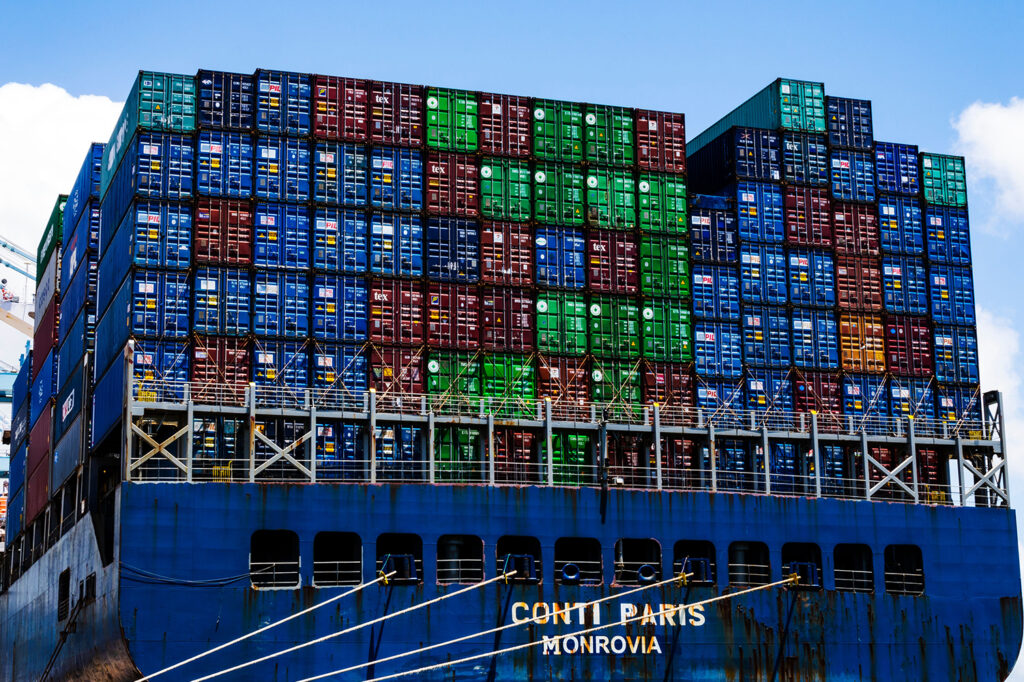
Technology is becoming an increasingly important competitive factor. Logistics companies are investing in digital tracking, predictive analytics, automated warehouses and AI-supported route planning to improve visibility and operational efficiency.
For India, these developments have direct implications for exporters, manufacturers and retailers. Reliable access to international shipping networks is essential for sectors ranging from textiles and pharmaceuticals to electronics and engineering goods.
The latest financial results demonstrate that global logistics is not simply about transporting products from one location to another. It is a strategic industry that influences business costs, international competitiveness and the reliability of global commerce.
As companies prepare for changing trade conditions, the strongest logistics operators will be those capable of combining efficient networks, flexible capacity and technology-driven decision-making.