

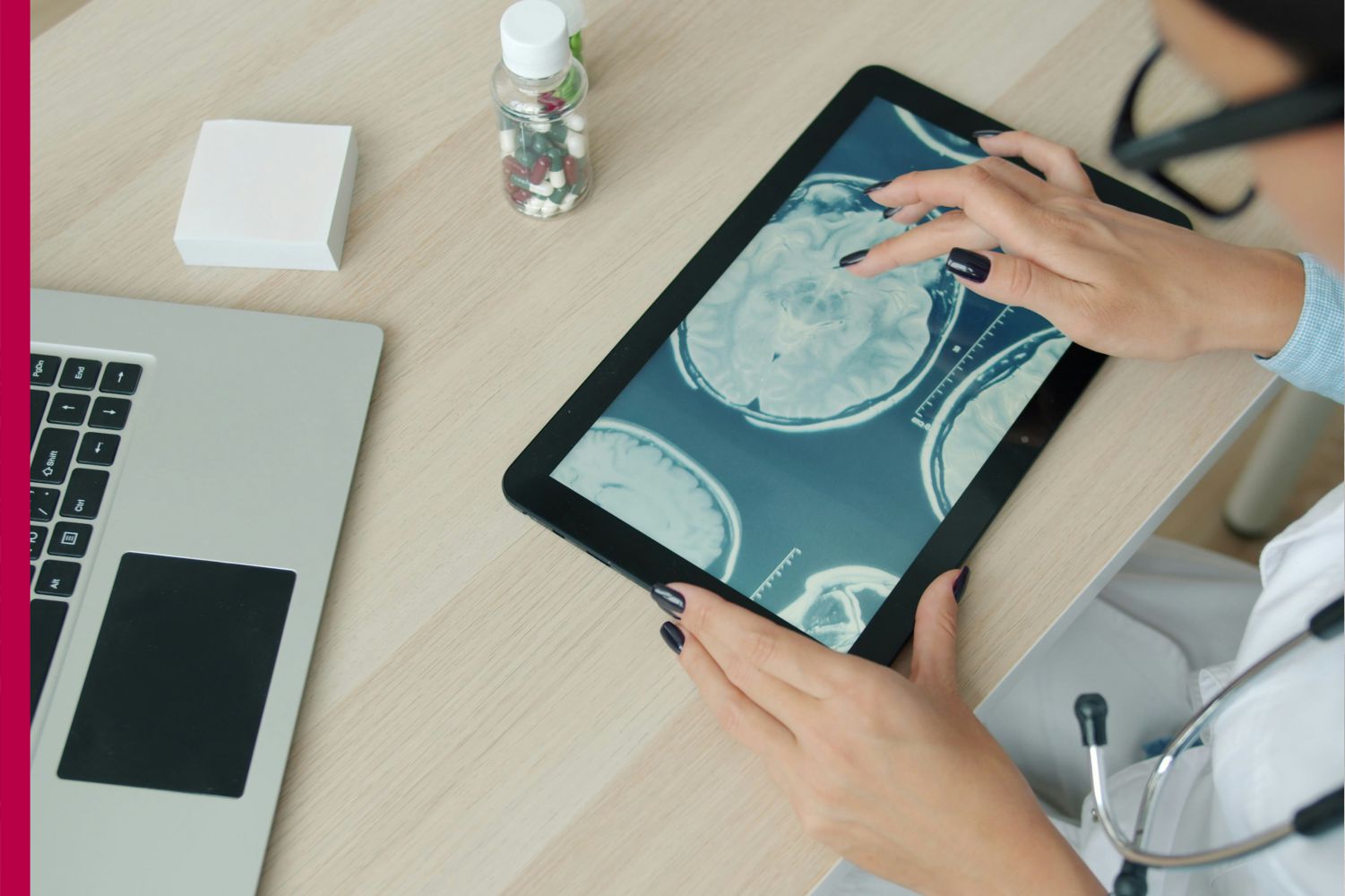


Digital Health Records, also known as Electronic Health Records (EHRs), are revolutionizing the healthcare industry by replacing traditional paper-based medical records with secure digital systems. These records store patient information electronically, including medical history, prescriptions, diagnoses, laboratory reports, treatment plans, allergies, and vaccination details. As healthcare systems continue adopting digital technologies, digital health records are improving efficiency, accuracy, patient care, and communication between healthcare providers.
One of the biggest advantages of digital health records is improved accessibility to patient information. In traditional healthcare systems, paper records could be misplaced, damaged, or difficult to access quickly. With digital systems, authorized healthcare professionals can instantly retrieve patient information from computers or mobile devices. This faster access helps doctors make informed decisions during emergencies and improves the overall speed of medical care.
Digital health records also improve coordination among healthcare providers. Patients often receive treatment from multiple doctors, hospitals, laboratories, and specialists. Electronic records allow healthcare professionals to share information securely and efficiently, reducing duplication of tests and minimizing medical errors. Better communication between healthcare providers leads to more accurate diagnoses and improved treatment outcomes.
Another important benefit of digital health records is increased patient safety. Medication errors, incomplete records, and illegible handwriting are common problems in paper-based systems. Digital records reduce these risks by maintaining accurate and standardized patient information. Automated alerts can also warn healthcare professionals about allergies, dangerous drug interactions, or abnormal test results, helping prevent medical complications.
The integration of digital health records with modern healthcare technologies has further improved medical services. Artificial Intelligence (AI), data analytics, and cloud computing help healthcare organizations analyze patient trends, predict disease outbreaks, and improve treatment planning. Digital systems can support preventive healthcare by tracking patient health patterns and identifying risks before serious conditions develop.
Patients also benefit directly from digital health systems. Many healthcare providers now offer patient portals where individuals can access their medical records, test results, prescriptions, and appointment schedules online. This transparency improves patient engagement and encourages individuals to take a more active role in managing their health. Telemedicine services also rely heavily on digital records to support remote consultations and virtual healthcare delivery.
The COVID-19 pandemic accelerated the adoption of digital health records worldwide. Healthcare systems needed faster information sharing, vaccination tracking, remote consultations, and real-time health monitoring during the crisis. Digital infrastructure became essential for managing patient care efficiently and reducing pressure on hospitals and clinics.

Despite their advantages, digital health records also present several challenges. Data privacy and cybersecurity remain major concerns because medical information is highly sensitive. Healthcare organizations must invest in secure systems, encryption technologies, and strict access controls to protect patient data from cyberattacks and unauthorized access. Building public trust in digital healthcare systems is essential for long-term success.
Another challenge is the high cost of implementation and training. Hospitals and clinics require advanced software, reliable internet connectivity, technical support, and employee training to transition from paper records to digital systems. Smaller healthcare providers in developing regions may face difficulties adopting these technologies due to financial and infrastructure limitations.
Interoperability is also an important issue in digital healthcare. Different hospitals and healthcare providers may use incompatible software systems, making information sharing difficult. Standardized digital systems are necessary for efficient communication across healthcare networks.
In conclusion, digital health records are transforming healthcare by improving efficiency, accuracy, accessibility, and patient care. As healthcare systems continue embracing digital transformation, electronic health records will play an increasingly important role in creating smarter, safer, and more connected healthcare environments for the future.