



The sustainable fashion movement has emerged as one of the most important transformations in the global fashion industry. As awareness grows about environmental issues, waste generation, and unethical labor practices, consumers and fashion brands are increasingly shifting toward more responsible and eco-friendly practices. Sustainable fashion focuses on reducing environmental impact, promoting ethical production, and encouraging long-term value in clothing and accessories rather than fast, disposable fashion trends.
Traditional fast fashion models are often criticized for excessive production, pollution, and exploitation of workers. Many fashion brands produce large quantities of low-cost clothing quickly, encouraging consumers to buy more and discard items frequently. This system contributes to textile waste, water pollution, carbon emissions, and poor labor conditions in manufacturing industries. The sustainable fashion movement aims to address these challenges by promoting environmentally responsible and socially ethical alternatives.
One of the core principles of sustainable fashion is the use of eco-friendly materials. Organic cotton, recycled fabrics, bamboo fiber, hemp, and biodegradable textiles are increasingly used as alternatives to harmful synthetic materials. Sustainable brands focus on reducing chemical use, water consumption, and environmental damage during fabric production. Recycling and upcycling old garments into new products also help reduce textile waste and conserve natural resources.
Ethical labor practices are another important aspect of sustainable fashion. Consumers are becoming more conscious about how and where their clothing is produced. Fair wages, safe working conditions, and respect for workers’ rights are now major concerns in the fashion supply chain. Many sustainable fashion brands prioritize transparency by sharing information about sourcing, manufacturing processes, and labor standards.
The rise of conscious consumerism has significantly influenced the sustainable fashion movement. Modern consumers increasingly prefer quality over quantity and are more willing to support brands that align with environmental and ethical values. Many people now choose timeless, durable clothing instead of constantly following short-lived fashion trends. This shift encourages slower and more thoughtful consumption habits.
Technology and innovation are also driving sustainable fashion progress. Fashion companies are using Artificial Intelligence (AI), 3D design, digital sampling, and sustainable manufacturing technologies to reduce waste and improve efficiency. Some brands are experimenting with plant-based leather, lab-grown textiles, and biodegradable packaging to minimize environmental impact further.
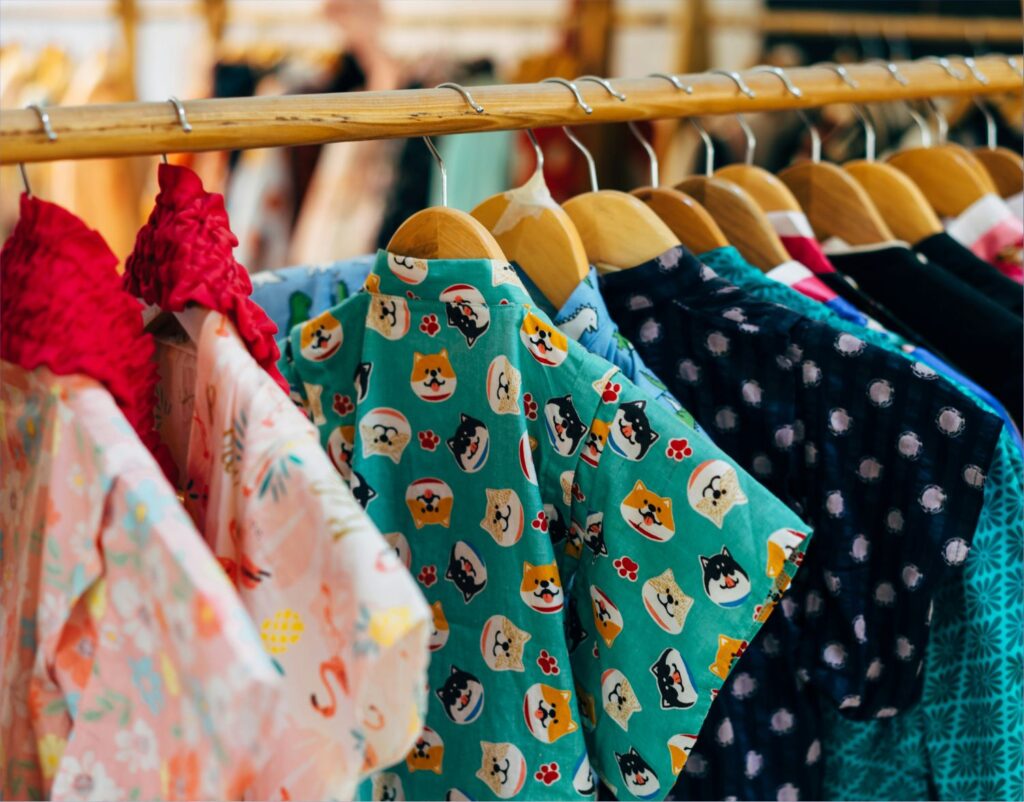
Second-hand fashion and clothing resale platforms have also become highly popular. Thrift stores, online resale marketplaces, and clothing rental services support the circular fashion economy by extending the lifespan of garments. This trend not only reduces waste but also makes fashion more affordable and sustainable for consumers.
Social media influencers and celebrities have contributed greatly to promoting sustainable fashion awareness. Many public figures advocate for eco-friendly brands, ethical shopping habits, and sustainable lifestyle choices. Digital platforms help educate consumers about the environmental impact of fashion and encourage more responsible purchasing decisions.
Despite its growth, the sustainable fashion movement still faces challenges. Sustainable clothing can sometimes be more expensive due to ethical production methods and high-quality materials. Greenwashing, where brands falsely claim to be environmentally friendly, also creates confusion among consumers. Transparency and proper regulation are essential for maintaining trust and accountability in the industry.
In conclusion, the sustainable fashion movement is reshaping the future of the global fashion industry by promoting environmental responsibility, ethical practices, and conscious consumer behavior. As awareness continues to grow, sustainable fashion is becoming more than a trend] it is evolving into a long-term shift toward a more responsible and balanced approach to style, production, and consumption.