




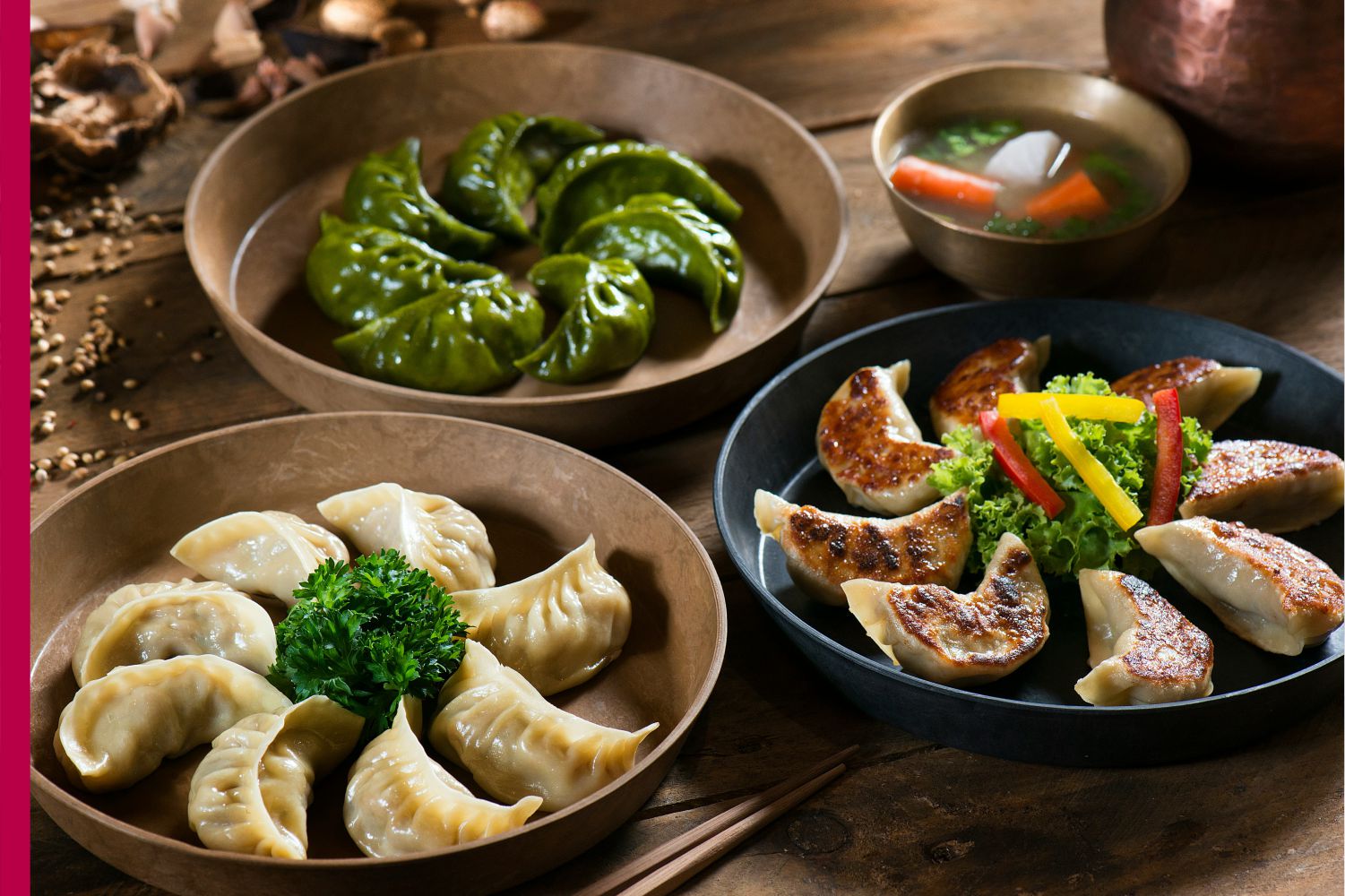
Regional cuisine has gained tremendous popularity in recent years as people increasingly seek authentic food experiences connected to culture, tradition, and local identity. Across the world, traditional dishes prepared with regional ingredients and cooking techniques are attracting attention from food lovers, travelers, chefs, and social media audiences. From street food and family recipes to fine dining inspired by local heritage, regional cuisine has become an important part of global culinary culture and tourism.
One of the main reasons for the growing popularity of regional cuisine is the desire for authenticity. Modern consumers are increasingly interested in foods that tell a story about a region’s history, traditions, and lifestyle. Traditional dishes often reflect the climate, geography, agriculture, and cultural influences of a particular area. People enjoy discovering unique flavors and recipes that offer a deeper connection to local communities and heritage.
Global travel and tourism have also contributed significantly to the rise of regional cuisine. Travelers often consider food one of the most memorable parts of visiting a new destination. Local dishes and traditional cooking styles allow tourists to experience the culture of a region in a meaningful way. As culinary tourism grows, restaurants and local food businesses increasingly promote regional specialties to attract visitors seeking authentic dining experiences.
Social media has played a major role in increasing awareness of regional cuisine worldwide. Platforms such as Instagram, YouTube, and TikTok allow chefs, food bloggers, and travelers to share visually appealing dishes, cooking methods, and food stories with global audiences. Viral food trends and online content have helped many traditional recipes gain international recognition. As a result, regional cuisine is no longer limited to local communities but has become part of global food culture.
Another factor driving regional cuisine popularity is the growing appreciation for traditional and handmade cooking methods. Many consumers prefer fresh ingredients, home-style recipes, and authentic preparation techniques over mass-produced fast food. Regional dishes often emphasize local produce, spices, and seasonal ingredients, making them appealing to people interested in healthier and more natural food options.
Regional cuisine also supports local economies and small businesses. Restaurants, street food vendors, farmers, and artisanal food producers benefit from increased demand for traditional foods. Culinary festivals, food markets, and cultural events further promote local cuisine while preserving traditional cooking practices. In many regions, food has become an important part of cultural branding and economic development.
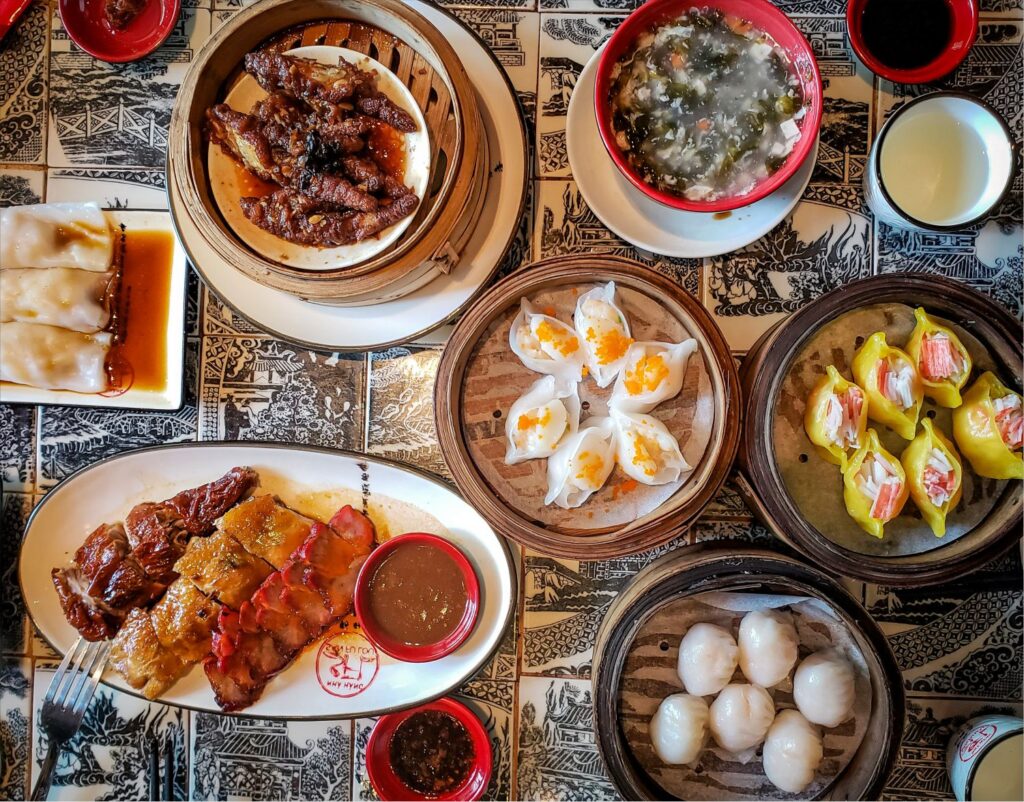
Fusion cuisine has also emerged as a modern trend influenced by regional foods. Chefs increasingly combine traditional recipes with contemporary techniques and international flavors to create innovative dining experiences. While fusion cooking introduces creativity, many consumers still value preserving the authenticity and cultural significance of original regional dishes.
Despite its growing popularity, regional cuisine faces challenges in a globalized food industry. Fast food chains, processed foods, and changing lifestyles can reduce interest in traditional cooking practices. Some local recipes and culinary traditions risk disappearing as younger generations adopt modern eating habits. Preserving culinary heritage requires documentation, education, and support for local food communities.
Sustainability is another important aspect connected to regional cuisine. Traditional food systems often rely on local ingredients and environmentally friendly cooking practices. Supporting regional cuisine can encourage sustainable agriculture, reduce food transportation costs, and promote biodiversity through the preservation of indigenous crops and ingredients.
In conclusion, the popularity of regional cuisine reflects a growing appreciation for cultural heritage, authentic experiences, and traditional food practices. Regional dishes connect people with history, identity, and community while supporting tourism and local economies. As global interest in food culture continues to grow, regional cuisine will remain an important symbol of diversity, creativity, and cultural pride worldwide.