



Rural electrification has become one of the most important drivers of economic growth, social development, and improved quality of life across the world. Access to electricity is essential for modern living, supporting education, healthcare, agriculture, communication, and business activities. Over the past few decades, governments and international organizations have made significant efforts to expand electricity access to remote and underserved rural areas. These initiatives have transformed millions of lives by connecting communities to reliable energy sources and modern infrastructure.
One of the biggest benefits of rural electrification is improved living standards. Electricity allows households to use lighting, fans, refrigerators, televisions, and communication devices that improve comfort and convenience. Access to reliable power reduces dependence on kerosene lamps, firewood, and other traditional energy sources that may be unsafe, expensive, or harmful to health. Electrified homes also provide safer environments for families and support better daily living conditions.
Education has greatly benefited from rural electrification programs. Schools with electricity can use computers, digital learning tools, internet connectivity, and modern teaching equipment to improve educational quality. Students in electrified villages can study after sunset using proper lighting, increasing learning opportunities and academic performance. Digital education platforms and online learning resources have become more accessible in rural areas with improved electricity supply.
Healthcare services also improve significantly with electrification. Rural hospitals and clinics require electricity for lighting, refrigeration of medicines and vaccines, medical equipment, and emergency healthcare services. Reliable power supply helps healthcare workers provide better treatment and supports telemedicine services that connect rural patients with urban medical specialists. Electrification has played a major role in strengthening healthcare systems in developing regions.
Agriculture, which remains the backbone of many rural economies, also benefits from electricity access. Farmers use electric-powered irrigation systems, storage facilities, food processing equipment, and machinery to improve productivity and reduce labor costs. Cold storage powered by electricity helps reduce food wastage and supports better supply chain management for agricultural products. Electrification contributes directly to rural economic growth and food security.
Small businesses and entrepreneurship opportunities expand when rural communities gain electricity access. Shops, workshops, service centers, and local industries can operate more efficiently with reliable power. Electrification encourages economic activity, job creation, and improved income opportunities for rural populations. Access to digital communication and internet services further connects rural businesses to larger markets and economic networks.
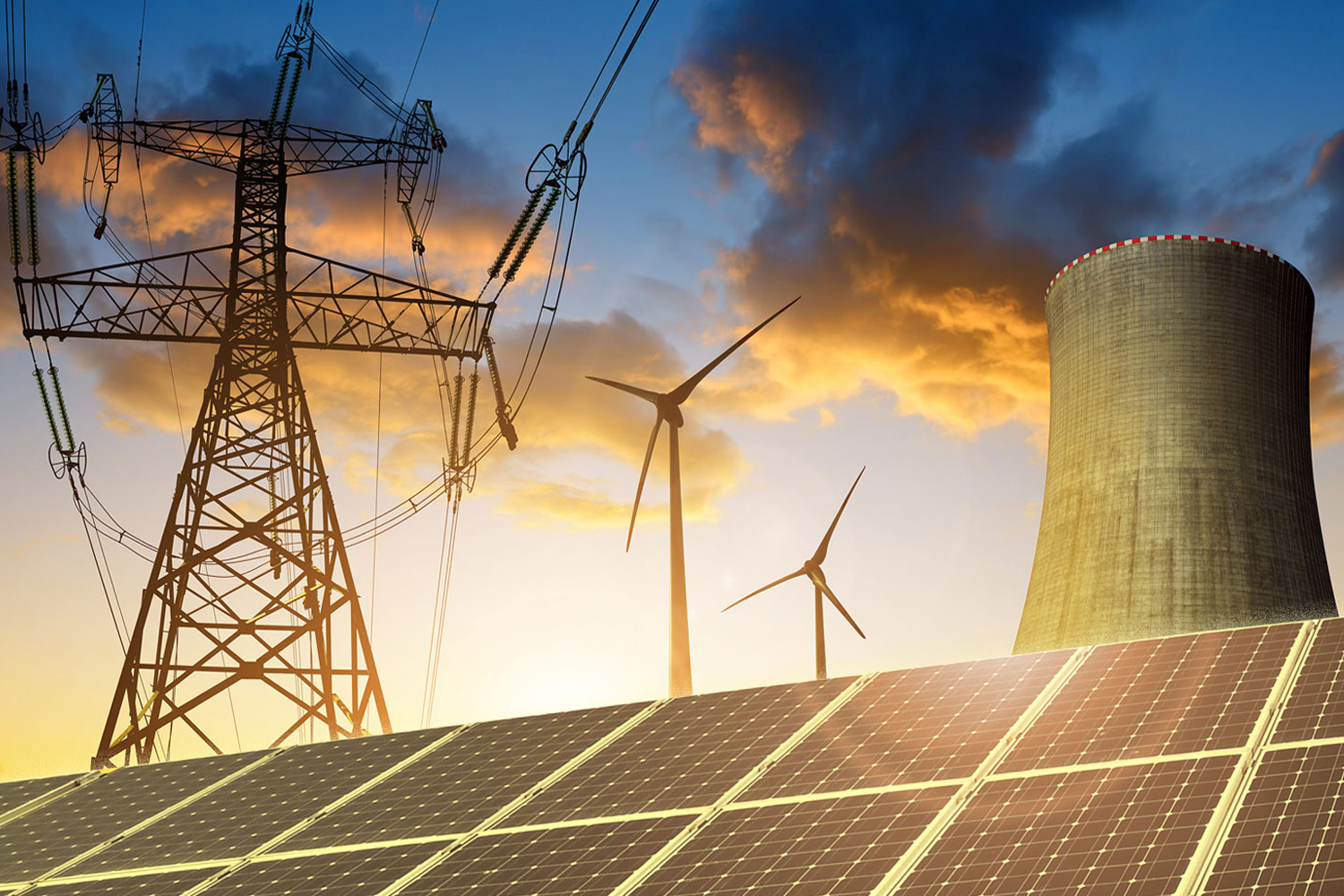
Renewable energy has become an important part of rural electrification progress. Solar panels, mini-grids, wind power, and hydroelectric systems are increasingly used in remote regions where extending traditional power grids may be difficult or expensive. Renewable energy solutions provide sustainable and environmentally friendly electricity access while reducing carbon emissions and dependence on fossil fuels.
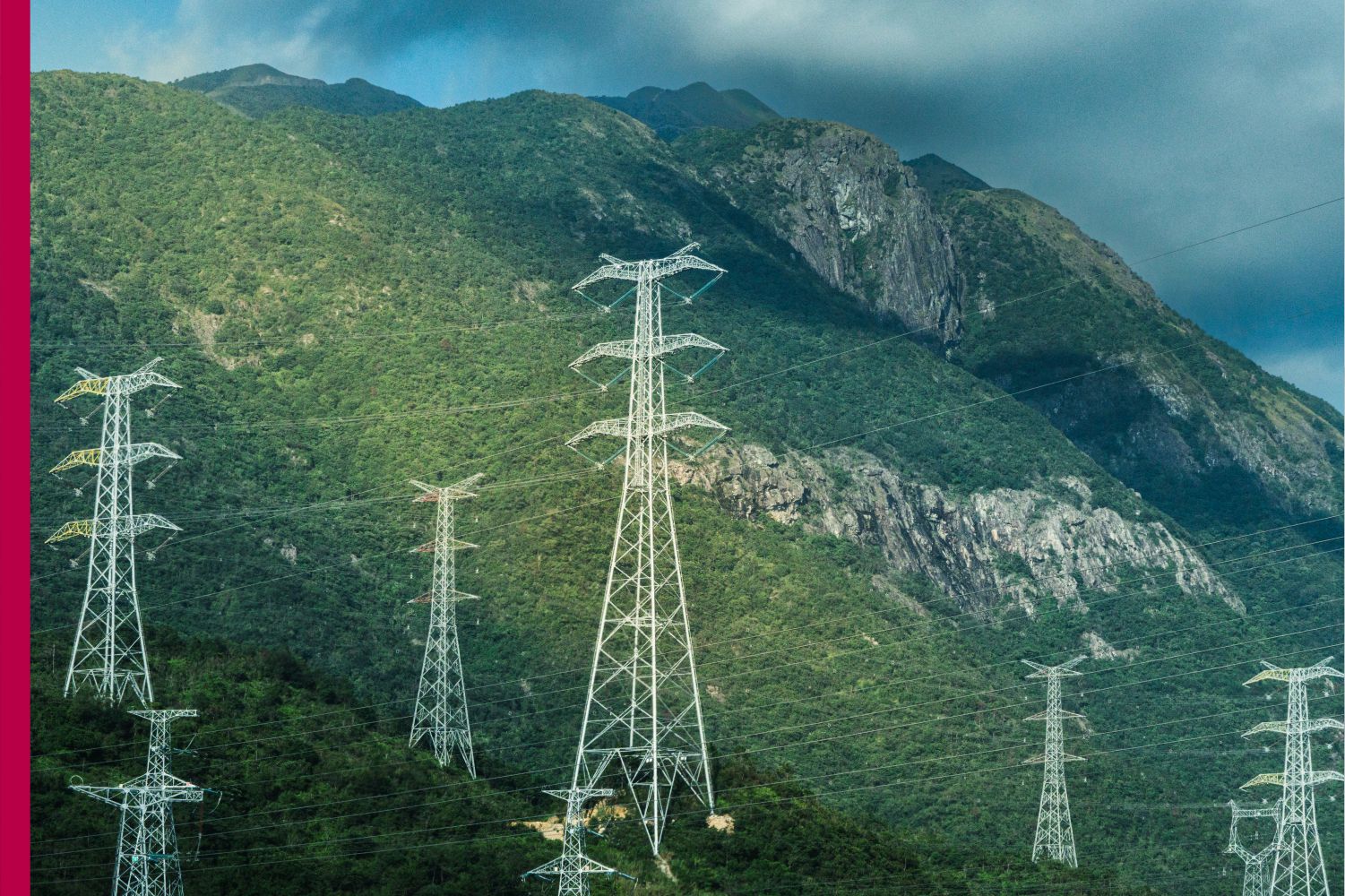
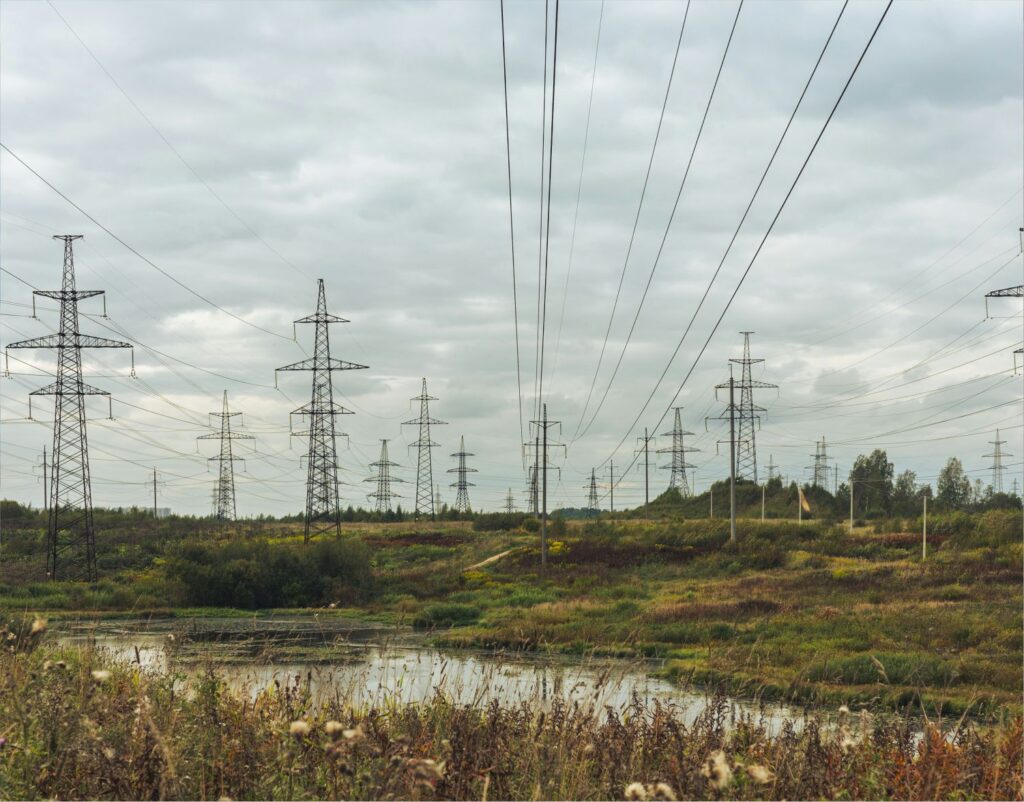
Despite significant progress, challenges still remain in achieving universal rural electrification. Remote geographic locations, limited infrastructure, high installation costs, and maintenance issues can slow development projects. In some areas, electricity access exists but supply remains unreliable due to outdated infrastructure or insufficient power generation capacity. Financial constraints and lack of technical expertise also affect rural energy expansion efforts.
Governments, private companies, and international organizations continue investing in rural energy infrastructure to close the electricity access gap. Public-private partnerships, technological innovation, and policy support are helping accelerate electrification programs worldwide.
In conclusion, rural electrification progress is transforming communities by improving education, healthcare, agriculture, business opportunities, and overall quality of life. Access to reliable electricity supports economic development and social inclusion while connecting rural populations to modern opportunities. As technology and renewable energy solutions continue to advance, rural electrification will remain essential for achieving sustainable development and reducing inequality across the world.