


India’s financial markets have entered November with renewed investor interest. After a period of uncertainty, foreign investment flows have strengthened and benchmark indices have recorded a significant rally. But with markets now showing signs of consolidation, investors are asking an important question: is this the beginning of a stronger recovery, or simply a temporary burst of optimism?
According to Reuters reporting on November 9, foreign investors had purchased more than $4.1 billion worth of Indian shares during November so far. This marked their largest monthly inflow since September 2024.
The buying followed a seven-session rally through November 6, during which the Nifty 50 and Sensex gained approximately 10.5%. The rally was supported by lower oil prices, foreign buying and a reduction in global concerns surrounding artificial-intelligence-related investment positions.
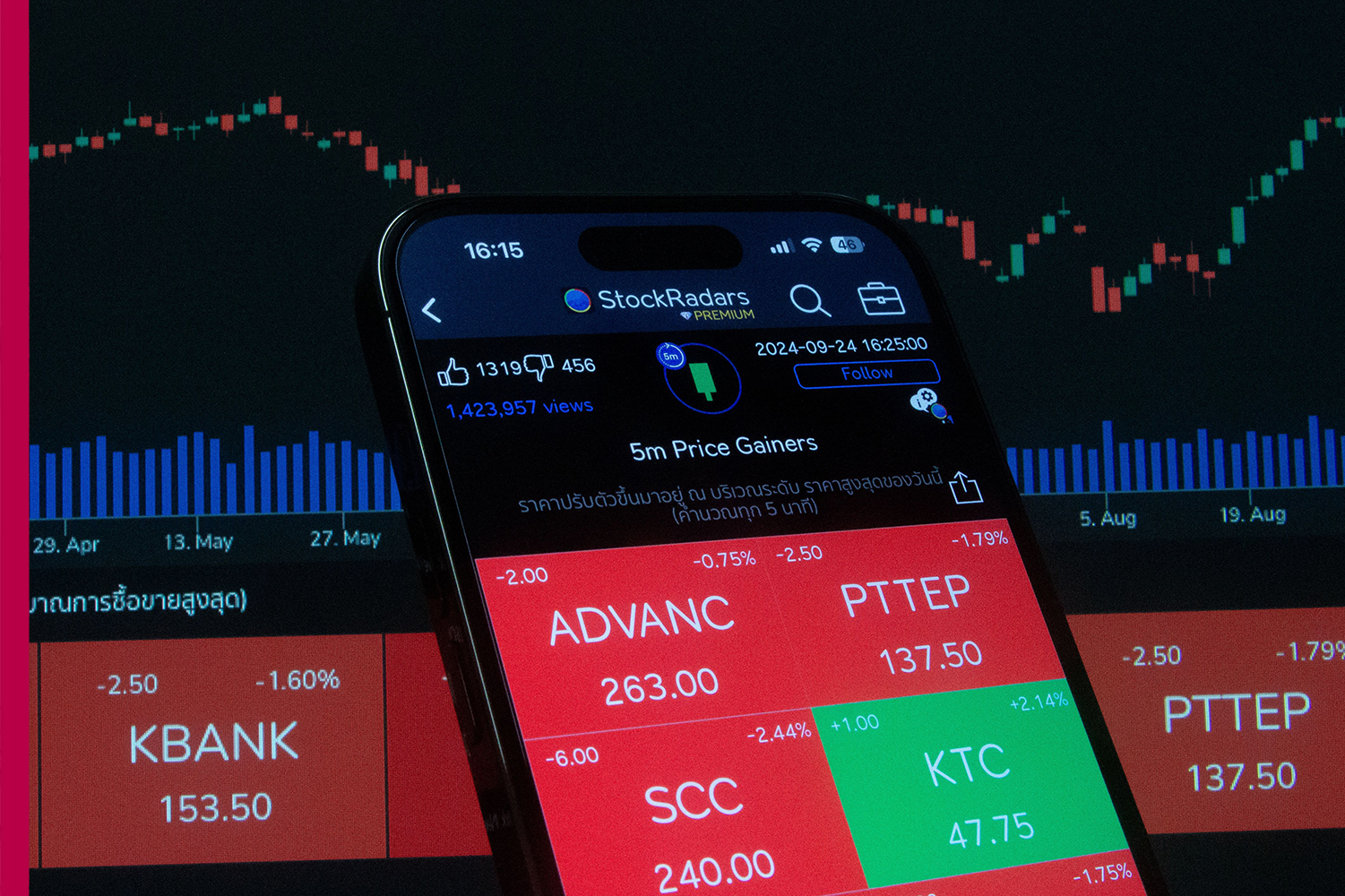
However, the market opened lower on November 9 as investors took profits after the strong rise. The Nifty and Sensex both slipped in early trading, demonstrating how quickly market sentiment can change.
This is an important reminder that financial markets are influenced by several factors at once. Corporate earnings, interest rates, inflation, currency movements, crude oil prices, geopolitical developments and international capital flows can all influence share prices.
For India, foreign investment is particularly significant because it can support market liquidity and signal international confidence in the country’s economic outlook. However, foreign investors can also withdraw capital quickly when global conditions change.
Domestic investors are therefore an important part of market stability. Mutual funds, insurance companies, pension funds and individual investors contribute to the country’s investment ecosystem, although their decisions are influenced by different objectives and time horizons.

The banking and financial system also plays a central role. The Reserve Bank of India regularly monitors liquidity conditions and conducts money-market operations to support the functioning of the financial system. Its November 9 publication of money-market data provides a snapshot of funding activity and short-term market rates.
For ordinary investors, the recent rally can create excitement, but it should not automatically be interpreted as a reason to buy. A rising index does not mean every company is performing well, and short-term market movements do not necessarily reflect long-term business value.
Investors need to distinguish between market momentum and underlying fundamentals. Company earnings, debt levels, management quality, valuation and future cash flows remain important considerations when evaluating an investment.
For businesses, a stronger equity market can improve confidence and create more favourable conditions for fundraising and expansion. But access to capital depends on business performance and investor expectations, not simply the movement of benchmark indices.
India’s financial markets remain connected to global developments. That makes the current rally worth watching, but it also makes caution essential.
The biggest financial question this November may not be how high the market can climb. It may be whether the confidence behind the rally can be sustained.