

India’s fashion industry is experiencing an interesting shift. While luxury brands continue to attract attention and premium fashion remains aspirational, a growing number of online shoppers are becoming more selective about how much they spend. The latest festive-season data suggests that affordability and everyday usefulness are influencing purchasing decisions more strongly than ever.
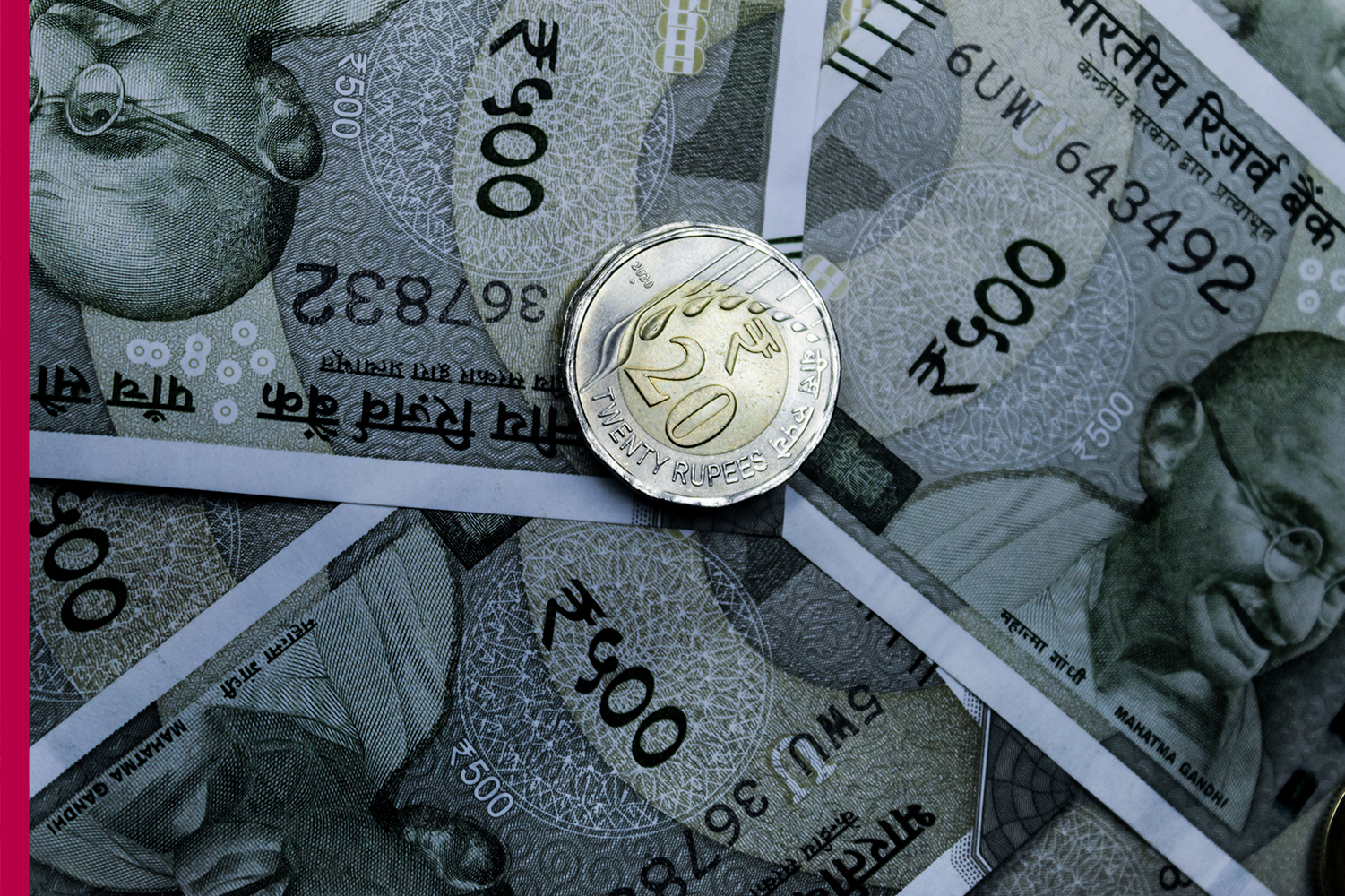
A report by retail technology company Fynd, published in November 2026, found that around half of online fashion orders during September and October were priced below ₹1,000. Yet purchases above ₹3,000, although representing only 11.8% of orders, contributed more than 41% of total sales value.
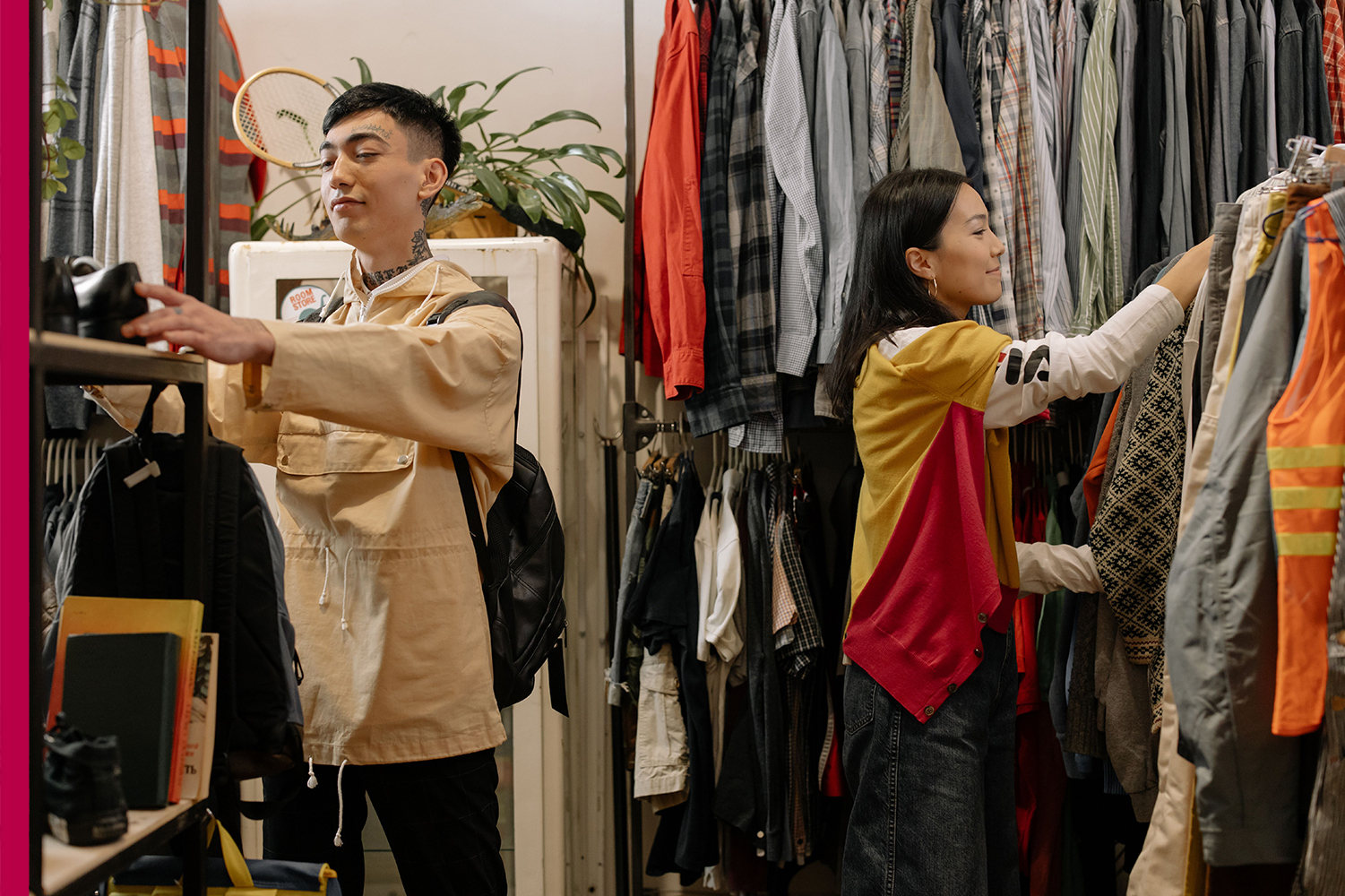
The findings reveal two very different consumer behaviours existing side by side. Many shoppers are looking for affordable everyday products, while another segment is willing to spend considerably more on items they believe offer quality, design or long-term value.
One of the report’s more surprising findings was that footwear overtook clothing as the largest online fashion category during the festive period. Footwear accounted for 52.7% of orders and 58.4% of sales value, compared with a smaller share for clothing.
This shift could reflect changing priorities. Consumers may be looking beyond occasion-based outfits towards products they can use regularly. Comfort, durability and versatility are becoming important considerations alongside appearance.
The geographical picture is changing too. Tier-2 cities increased their share of online fashion orders from 19% in 2025 to approximately 35% in 2026. Eastern India accounted for 20.8% of orders, with West Bengal emerging as the second-largest ordering state.
For fashion brands, this creates an opportunity to rethink how products are designed, priced and marketed. A successful collection may need to appeal to consumers who want affordable everyday clothing as well as customers seeking distinctive premium products.
Meanwhile, established Indian apparel businesses are continuing to invest in manufacturing and retail expansion. Page Industries, the Indian licensee of Jockey, is evaluating locations in four states for a potential new manufacturing facility costing up to ₹3 billion. The company is also planning further store expansion, reflecting confidence in demand for branded apparel.

The fashion industry is therefore balancing two priorities: making products accessible while building a recognisable brand identity. Discounts can attract customers, but quality, fit, reliability and design are what encourage repeat purchases.
Digital platforms have made fashion discovery easier, but they have also increased competition. Consumers can compare products, prices and reviews within seconds. Brands must communicate their value clearly rather than relying entirely on promotional campaigns.
The next phase of Indian fashion may not be defined by a single trend or price segment. It will be shaped by brands that understand different consumers and deliver the right combination of affordability, quality and identity.
The question for fashion businesses is no longer simply what people want to wear. It is what they believe is worth paying for.