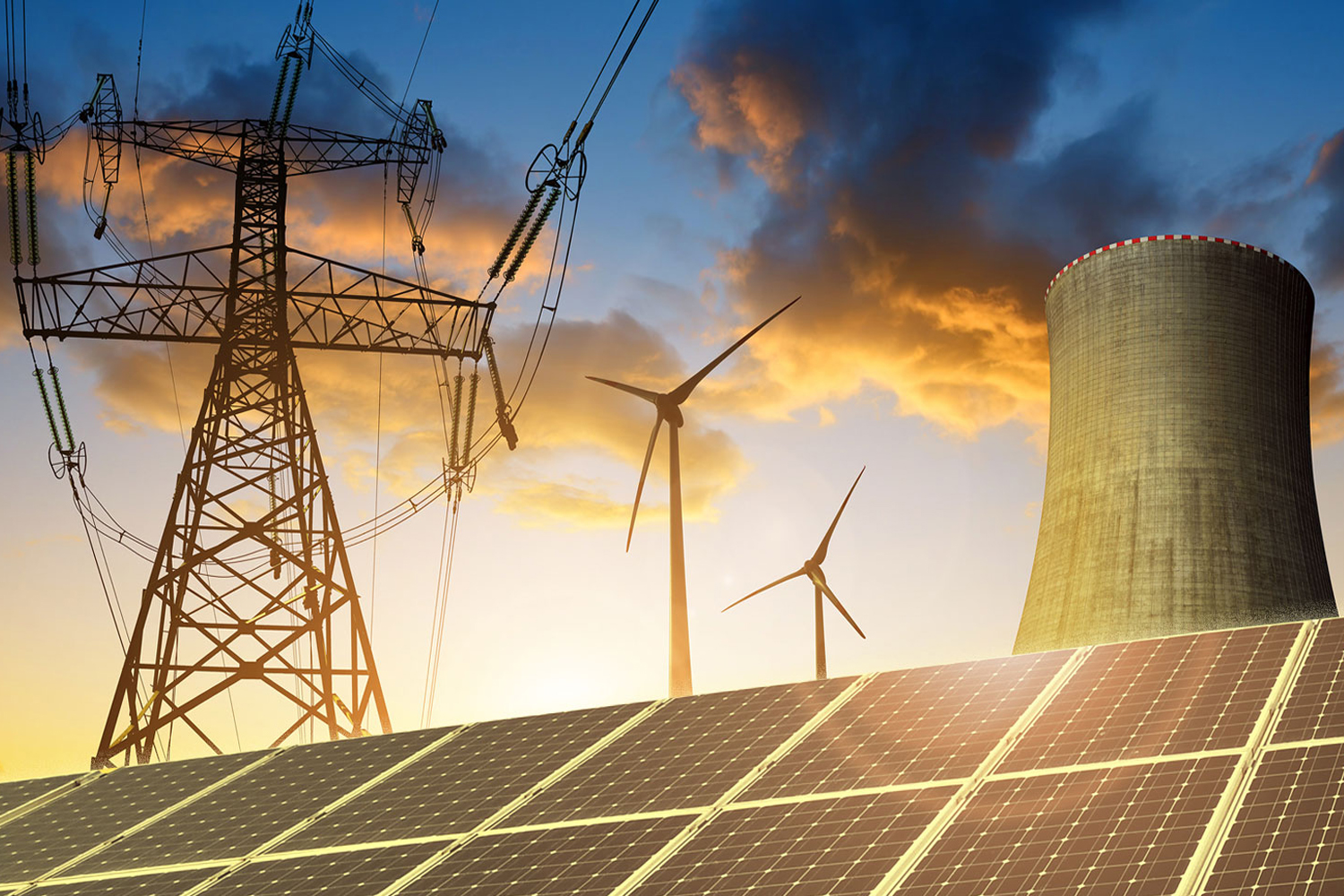




Energy is the foundation of modern economic life. It powers homes, hospitals, factories, transport networks, communication systems, and the digital infrastructure that increasingly supports everyday activities. As economies expand and demand changes, the energy industry faces a complex responsibility: supplying reliable and affordable power while reducing environmental impact and preparing for the needs of future generations.
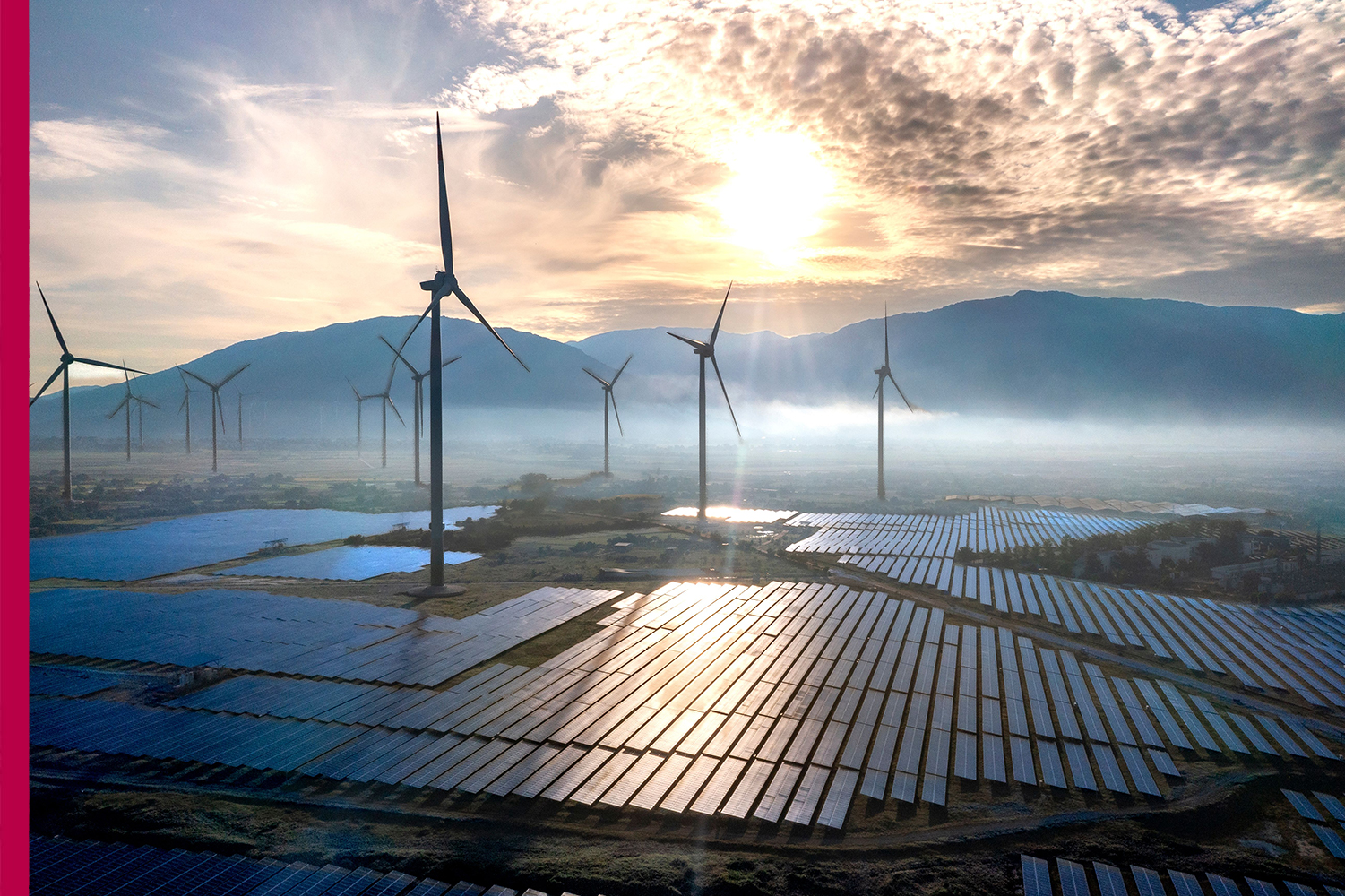
The global energy landscape is undergoing a major transition. Solar and wind power have expanded in many markets, battery storage is developing, and governments and businesses are exploring ways to improve energy efficiency. At the same time, oil, natural gas, coal, nuclear power, and other sources continue to play different roles in national energy systems. The pace of change varies according to geography, infrastructure, cost, policy, and the availability of natural resources.
India’s energy development illustrates both the scale of the opportunity and the complexity of the challenge. A growing economy requires electricity for manufacturing, transport, housing, services, and digital technologies. Renewable energy can help diversify supply, but generation capacity alone does not guarantee that power will be available exactly when and where it is needed.
A recent analysis published by ETEnergyWorld on 1 November 2026 highlighted India’s renewable-energy installations exceeding 300 gigawatts and argued that the next phase of clean-energy leadership must focus on integrating generation, storage, and transmission. The central issue is increasingly how effectively the energy system works as a whole. Solar and wind output can vary with weather and time of day, making grid planning, flexible generation, storage, and transmission investment important to maintaining reliability.
India’s electricity demand has also been in the spotlight. The Economic Times reported on 1 November that power consumption rose by 21.88% in October, reaching 159.76 billion units. Such short-term changes can reflect several factors, including weather, economic activity, and seasonal demand. They demonstrate why energy planning must account for changing consumption patterns as well as new generation capacity.
Energy storage is becoming increasingly important within this picture. Batteries can help shift electricity from periods of high production to periods of greater demand, while other storage approaches may provide support over different durations. However, each technology has its own costs, resource requirements, and operational characteristics. The right solution depends on the needs of the electricity system.
Efficiency is another essential part of the transition. Better industrial equipment, energy-conscious buildings, efficient appliances, and improved transport systems can reduce the amount of energy needed to deliver the same service. Efficiency may receive less attention than new power plants, but it can help lower costs and reduce pressure on infrastructure.
The industry must also consider affordability and fairness. Energy is essential to health, education, economic opportunity, and quality of life. A transition that raises costs beyond the reach of households or places disproportionate pressure on vulnerable communities risks undermining public confidence. Policies must therefore balance environmental objectives with dependable supply, investment needs, and consumer protection.
For businesses, the changing energy landscape creates opportunities in renewable development, electrical equipment, grid modernisation, storage, energy management, and engineering services. It also demands long-term planning, because energy projects often involve substantial capital and infrastructure that must operate for many years.
The future of energy will not be defined by one technology alone. It will depend on how effectively different sources, networks, storage systems, and efficiency measures work together.
A successful energy transition must deliver more than cleaner electricity. It must build a system that is reliable, economically sustainable, resilient, and accessible. The ultimate measure of progress is whether societies can power development today while protecting the opportunities of tomorrow.