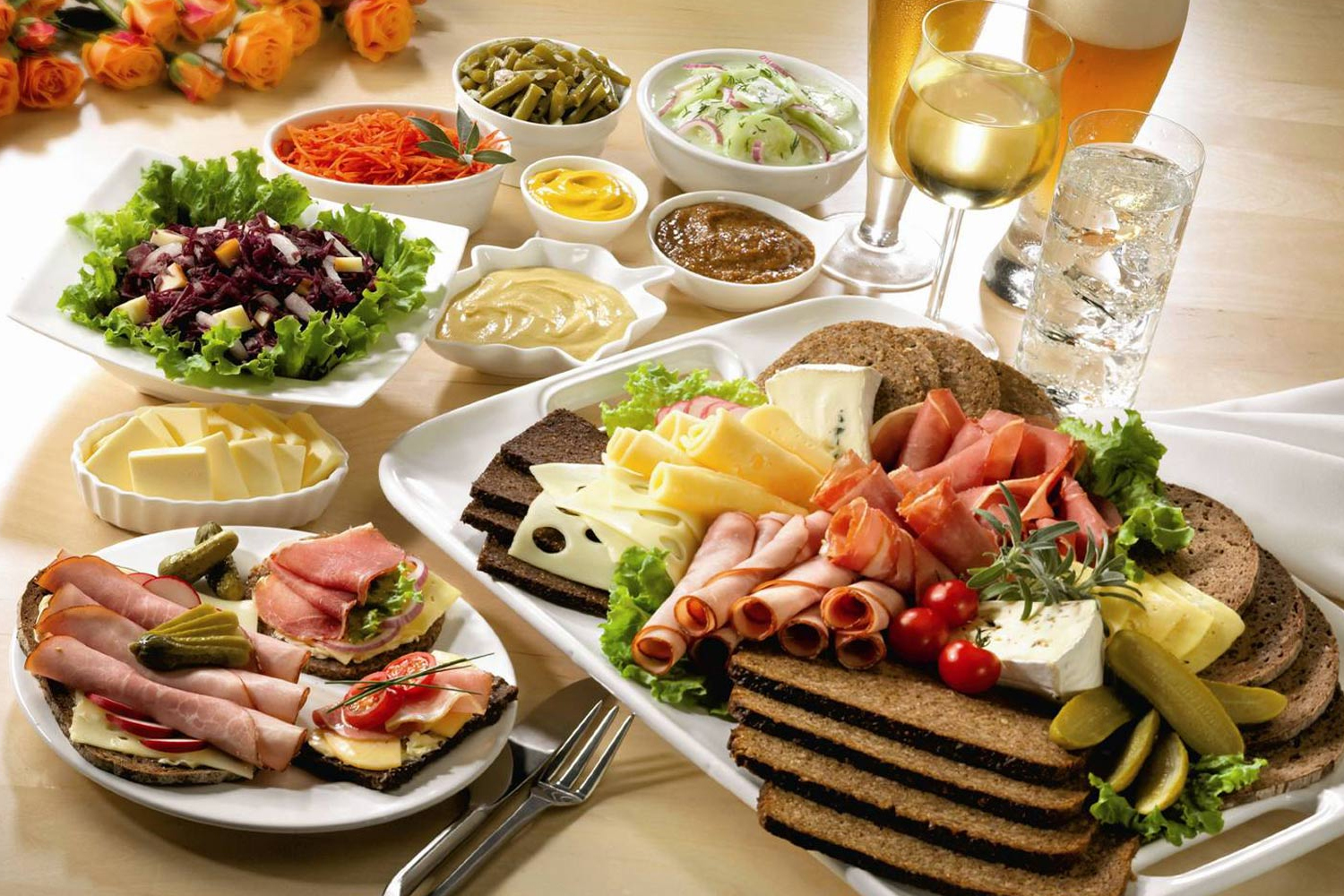




Food is both a fundamental human need and one of the world’s most influential industries. It connects agriculture, manufacturing, logistics, retail, hospitality, science, and public health. From small family businesses and local food producers to international consumer brands, the industry shapes how people eat, how communities preserve culinary traditions, and how businesses respond to changing lifestyles.
India’s food market is especially diverse. Regional cuisines, traditional ingredients, packaged products, quick-service restaurants, and emerging premium brands coexist in a market influenced by income, convenience, culture, and health awareness. Businesses must understand these differences to develop products that meet consumer expectations while remaining affordable and commercially sustainable.
Recent business developments highlight the scale of competition. The Economic Times reported on 2 November 2026 that McDonald’s was increasing its investment in its north and east India operations to approximately US$80 million over the next two years, with an emphasis on growth and digitisation. The expansion comes as the company competes with other quick-service restaurant brands while managing rising costs and the challenge of maintaining value for customers.
The development illustrates a central issue for food businesses: growth must be balanced with affordability. Consumers may be attracted by new menu items, convenience, and digital ordering, but price remains an important consideration. Restaurants must manage ingredient costs, staffing, rent, delivery expenses, and operational efficiency without compromising food quality or customer experience.
Premiumisation is another important trend. The Economic Times reported on 1 November 2026 that Ferrero sees India as an increasingly important market and plans to expand its presence through product launches, broader distribution, and greater reach into smaller cities. This points to opportunities for brands serving consumers who are interested in premium products and distinctive experiences. However, premium positioning does not eliminate the need to understand local tastes and purchasing power.
Food innovation is also being influenced by nutrition and transparency. On 28 October 2026, the Economic Times reported that Hindustan Unilever supported the Food Safety and Standards Authority of India’s proposed labelling requirements for products high in fat, salt, and sugar. Front-of-pack nutrition information is intended to help consumers identify certain nutritional characteristics more easily. The proposal highlights the growing importance of clear product information and informed food choices.
For manufacturers, changing expectations can influence recipes, portion sizes, packaging, and product development. Some consumers seek convenience, while others prioritise protein, fibre, lower sugar, familiar ingredients, or shorter ingredient lists. These preferences vary widely, and no single food trend represents the needs of every household.
Technology is changing the food supply chain as well. Digital ordering, inventory management, cold-chain monitoring, demand forecasting, and traceability systems can help businesses coordinate production and distribution. When implemented effectively, these tools may reduce waste and improve product availability. Yet technology must be supported by sound food-safety practices, suitable infrastructure, and trained employees.
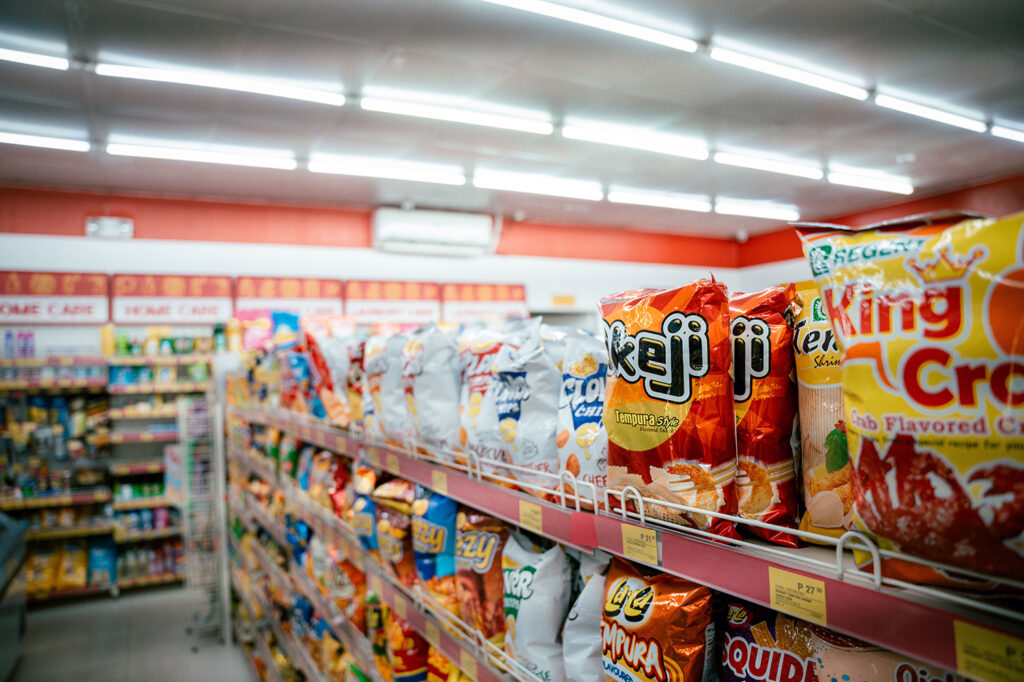
Sustainability remains a major challenge. Food production uses land, water, energy, packaging, and transport. Waste can occur at farms, processing facilities, retail outlets, restaurants, and households. Better storage, more accurate demand planning, responsible sourcing, and practical food-recovery programmes can help address some of these problems.
Small producers and regional food businesses have an important role in this evolving market. Traditional recipes, local ingredients, and distinctive methods of preparation can provide meaningful differentiation. Access to finance, quality certification, reliable distribution, and effective branding can help such businesses reach more customers.
The future of food will require a balance between innovation, affordability, nutrition, safety, and cultural identity. Successful businesses will be those that understand consumers without losing sight of the responsibility that comes with producing what people eat.
Food is more than a product on a shelf or a meal delivered to a door. It is part of health, heritage, livelihood, and community. The industry’s most meaningful progress will come from making safe, nourishing, appealing food available while building a more resilient and responsible food system.