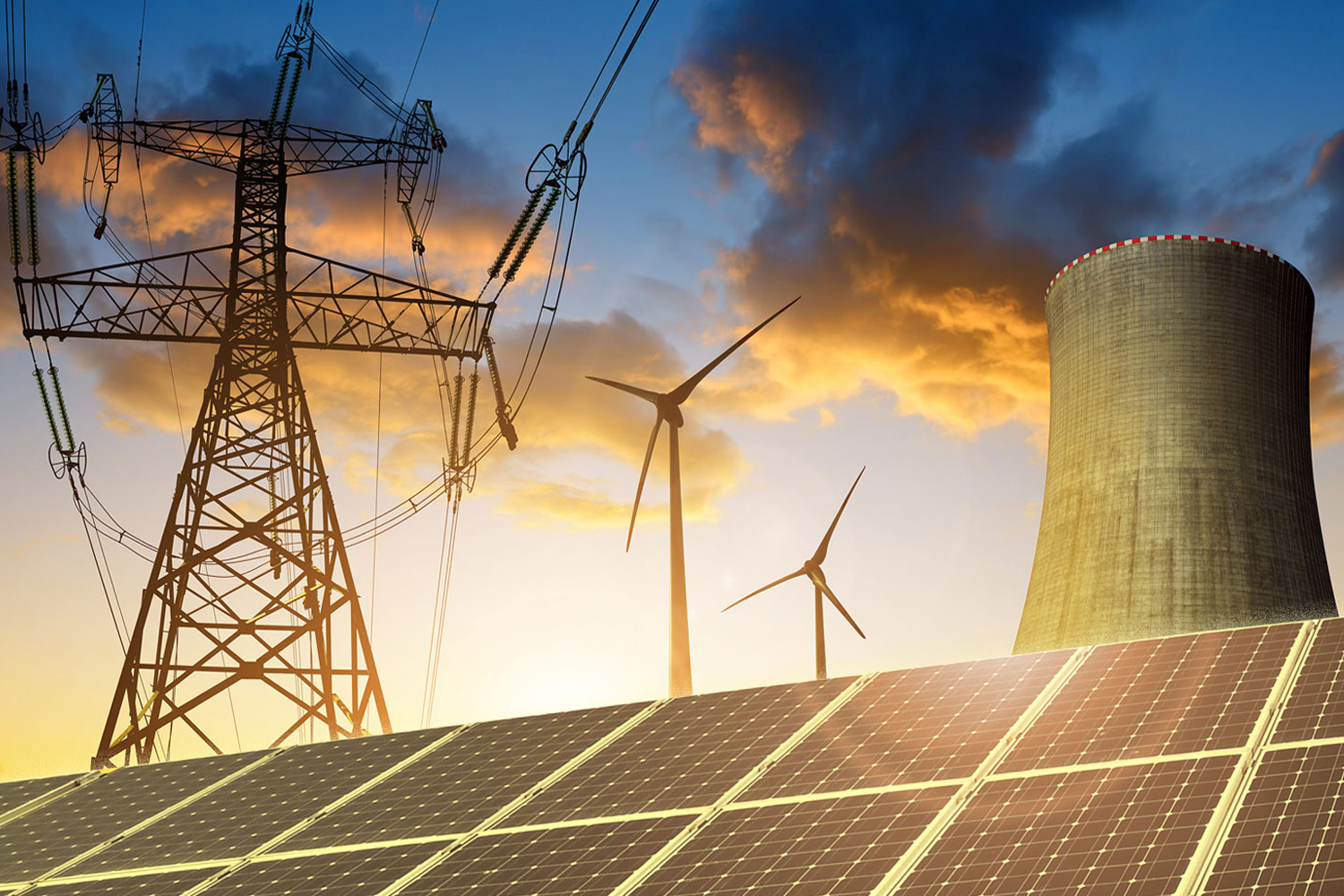





Government energy policies play a crucial role in determining how countries produce, distribute, and consume energy. As global energy demand continues to increase due to industrial growth, urbanization, and technological development, governments are focusing on creating policies that ensure energy security, affordability, sustainability, and environmental protection. Effective energy policies influence economic growth, climate action, innovation, and the transition toward cleaner energy systems.
Energy policies are designed to guide the development of national energy systems. They include regulations, incentives, investment strategies, and long-term plans related to electricity generation, fuel usage, renewable energy adoption, and energy efficiency. Governments use these policies to balance the needs of industries, businesses, communities, and the environment.
One of the major focuses of modern government energy policies is the transition toward renewable energy. Traditional energy sources such as coal, oil, and natural gas have supported economic development for decades but have also contributed to environmental challenges. Governments worldwide are promoting solar power, wind energy, hydropower, and other renewable sources to reduce carbon emissions and create cleaner energy systems.
Renewable energy policies often include financial incentives, tax benefits, research support, and investment programs. These measures encourage businesses and individuals to adopt clean energy technologies. Solar energy programs, renewable power targets, and green energy initiatives are helping accelerate the shift toward sustainable electricity generation.
Energy security is another important objective of government energy policies. Reliable energy supply is essential for economic stability and national development. Governments work to diversify energy sources, strengthen infrastructure, and reduce dependence on limited resources. Building strong energy networks and improving storage technologies help countries manage supply challenges and meet growing demand.
Energy efficiency is becoming a key component of national energy strategies. Reducing energy waste helps lower costs, conserve resources, and decrease environmental impact. Governments introduce efficiency standards for buildings, industries, vehicles, and appliances. Smart energy systems, efficient technologies, and public awareness programs support responsible energy consumption.
Electric mobility is also influencing modern energy policies. As electric vehicles become more common, governments are investing in charging infrastructure, battery technology, and clean electricity generation. Policies supporting electric transportation help reduce fuel dependency and improve air quality while encouraging innovation in the automobile sector.
The role of technology in energy policy development is expanding. Digital solutions such as smart grids, Artificial Intelligence (AI), and advanced monitoring systems allow governments and energy providers to manage resources more effectively. Smart grids improve electricity distribution by balancing supply and demand, detecting problems, and supporting renewable energy integration.
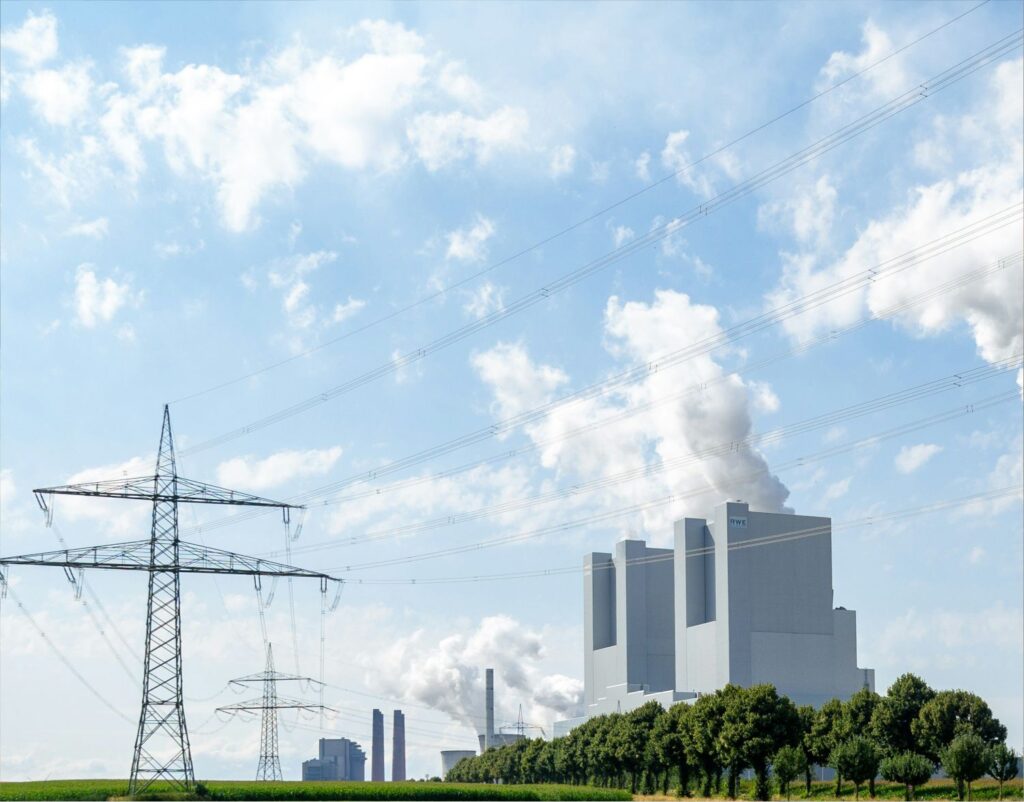
Government policies also influence energy affordability and accessibility. Ensuring that all communities have access to reliable and affordable energy is an important social goal. Programs supporting rural electrification, energy subsidies, and infrastructure development help reduce energy inequality and improve quality of life.
However, implementing energy policies involves several challenges. Transitioning away from traditional energy sources requires significant investment, technological development, and workforce adaptation. Policy decisions must consider economic conditions, industry requirements, environmental goals, and public needs. Balancing short-term energy demands with long-term sustainability remains a complex task.
International cooperation is becoming increasingly important in energy policy. Climate change and energy challenges affect all countries, requiring collaboration in technology sharing, research, and sustainability initiatives. Global agreements and partnerships encourage nations to work together toward cleaner and more secure energy systems.
In conclusion, government energy policies are essential for building a sustainable and resilient energy future. By supporting renewable energy, improving efficiency, strengthening infrastructure, and encouraging innovation, governments can address energy challenges while promoting economic development. The future of energy will depend on effective policies that balance environmental responsibility, technological progress, and the growing needs of society.