





Student engagement is one of the most important factors influencing academic success, personal development, and overall learning outcomes. Engaged students are more likely to participate actively in lessons, retain information, develop critical thinking skills, and achieve their educational goals. In today’s rapidly changing educational environment, educators must adopt innovative strategies that capture students’ attention, encourage participation, and create meaningful learning experiences. Effective student engagement goes beyond attendance and involves emotional, behavioral, and intellectual involvement in the learning process.
One of the most effective student engagement strategies is interactive learning. Traditional lecture-based teaching often limits student participation, while interactive methods encourage active involvement. Classroom discussions, group projects, debates, case studies, and collaborative activities help students become active contributors rather than passive listeners. Interactive learning promotes communication, problem-solving, and teamwork skills while making lessons more enjoyable and memorable.
Technology has become a powerful tool for improving student engagement. Digital learning platforms, educational applications, online quizzes, and multimedia resources can make learning more dynamic and accessible. Interactive presentations, virtual simulations, and educational videos help explain complex concepts in engaging ways. Technology also allows students to learn at their own pace and access resources beyond the classroom.
Personalized learning is another important strategy for increasing engagement. Every student has unique learning styles, strengths, interests, and challenges. Personalized instruction helps educators tailor lessons and activities to meet individual needs. When students see the relevance of what they are learning and receive support that matches their abilities, they are more likely to stay motivated and actively participate.
Gamification is gaining popularity as an effective engagement tool. By incorporating game-like elements such as points, rewards, challenges, and leaderboards into educational activities, teachers can create a more motivating learning environment. Gamification encourages healthy competition, increases participation, and makes learning more enjoyable without compromising educational objectives.
Building strong teacher-student relationships is essential for fostering engagement. Students are more likely to participate when they feel respected, supported, and valued by their teachers. Positive relationships create a safe learning environment where students feel comfortable asking questions, sharing ideas, and expressing themselves. Teachers who show genuine interest in student progress can significantly influence motivation and academic performance.
Project-based learning is another powerful engagement strategy. Instead of focusing solely on theoretical concepts, students work on real-world projects that require research, creativity, and problem-solving. Project-based learning allows students to apply knowledge in practical situations and understand the real-life relevance of their studies. This approach often increases curiosity and long-term retention of information.
Encouraging student voice and choice also enhances engagement. When students have opportunities to contribute ideas, select project topics, or participate in decision-making, they develop a stronger sense of ownership over their learning. Giving students choices increases motivation and encourages independent thinking.
Regular feedback plays a critical role in maintaining student engagement. Constructive feedback helps students understand their strengths, identify areas for improvement, and stay focused on learning goals. Immediate and meaningful feedback also reinforces progress and builds confidence.
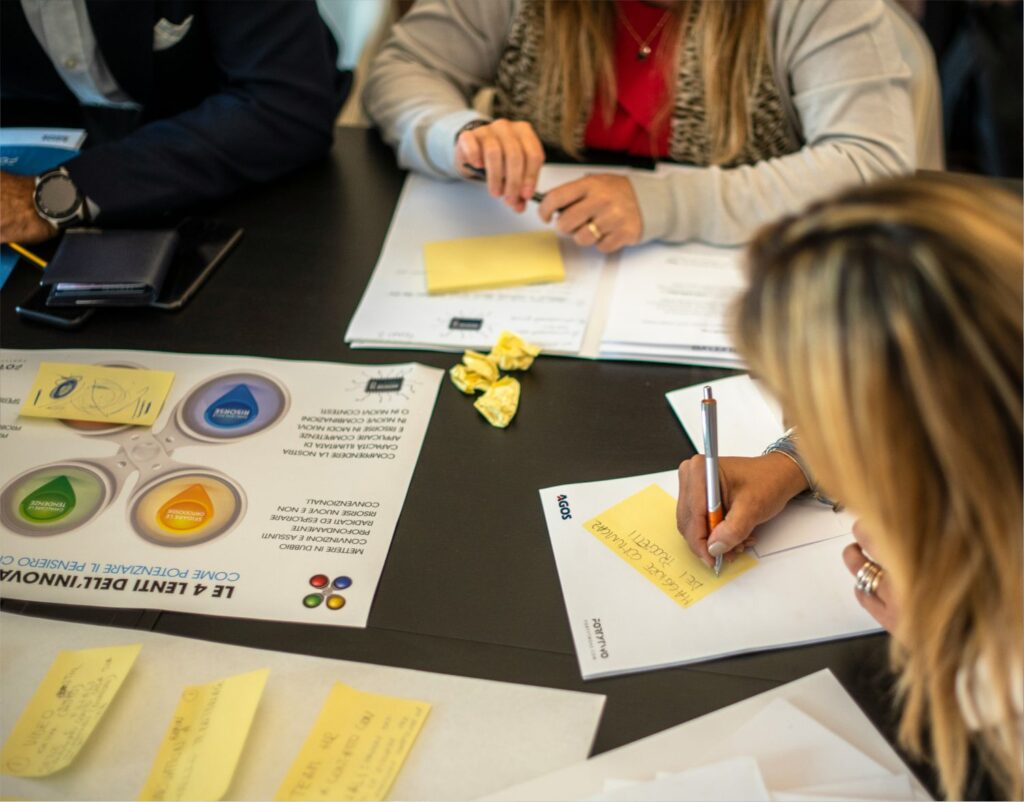
Collaborative learning environments further support engagement by promoting peer interaction and knowledge sharing. Group discussions, team assignments, and peer learning activities encourage students to learn from one another while developing communication and leadership skills.
Student well-being is increasingly recognized as an important component of engagement. Mental health support, stress management programs, and inclusive learning environments help students remain focused and motivated. When students feel emotionally supported, they are better able to participate actively in their education.
In conclusion, student engagement is essential for effective learning and academic success. Strategies such as interactive learning, technology integration, personalized instruction, gamification, project-based learning, and strong teacher-student relationships can significantly improve participation and motivation. As education continues to evolve, creating engaging, inclusive, and student-centered learning environments will remain a priority for educators seeking to prepare students for future challenges and opportunities.