



Energy is the foundation of modern economic life. It powers homes, transports goods, supports industrial production, enables digital communication, and sustains essential public services. As countries respond to climate concerns, growing electricity demand, and changing energy-security priorities, the global energy sector is undergoing a major transformation. Renewable power, battery storage, smart grids, and improvements in energy efficiency are becoming increasingly important to how societies produce and consume electricity.
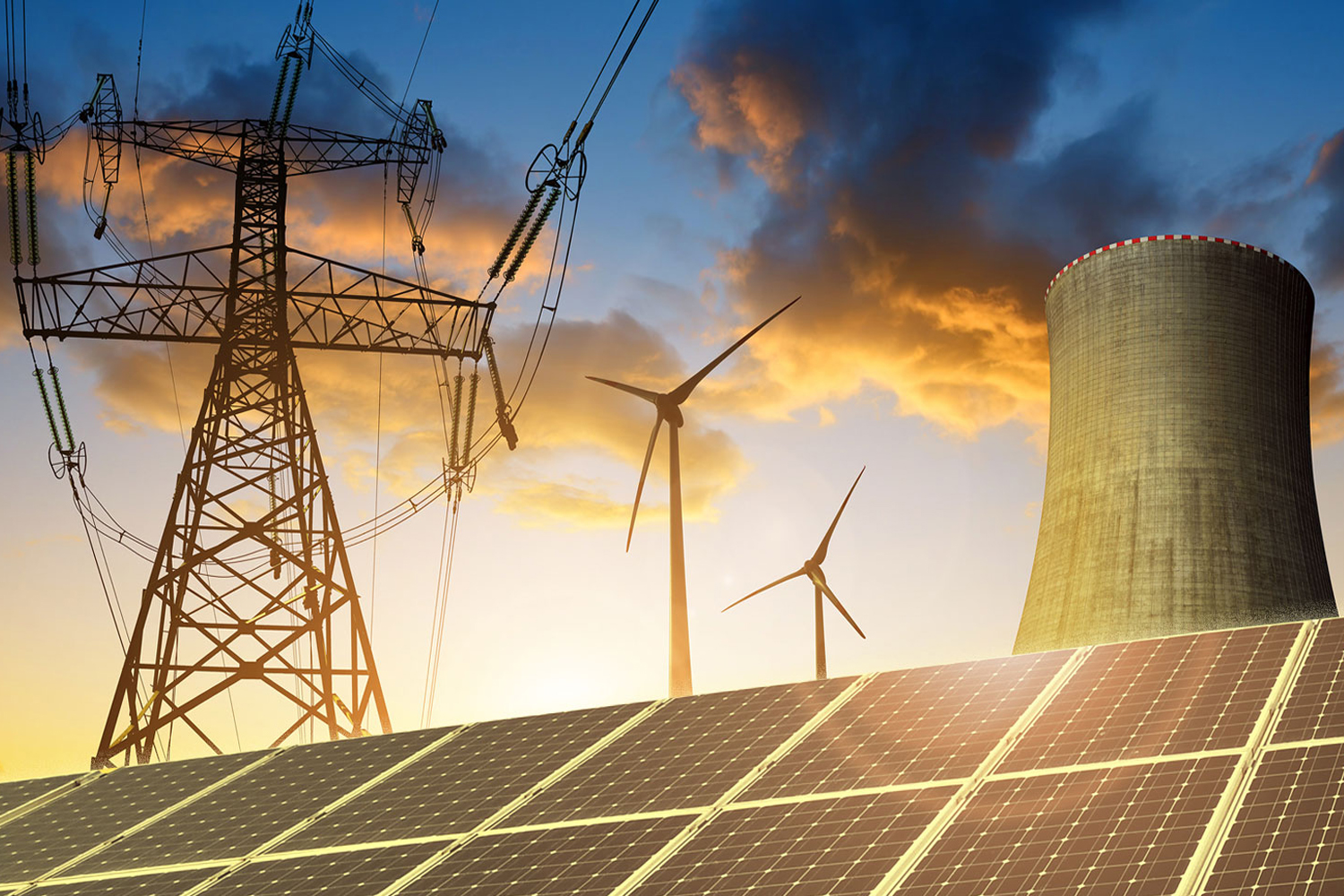
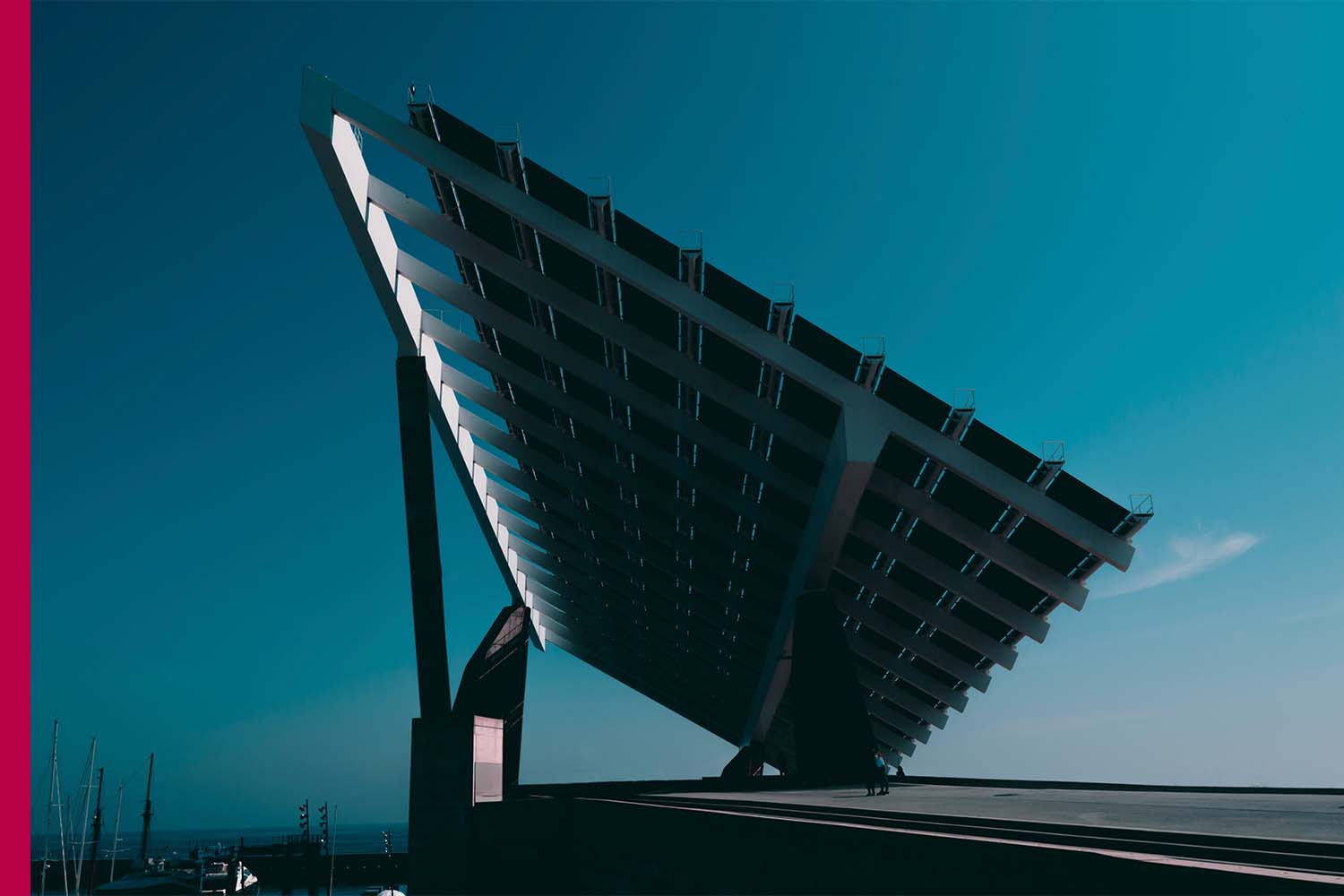
Solar and wind power are central to this transition. Technological improvements and expanding manufacturing capacity have helped make renewable energy increasingly competitive in many markets. Solar installations can generate electricity from rooftops and large-scale facilities, while wind farms can contribute significant power where suitable resources exist. These technologies offer opportunities to reduce dependence on fossil fuels, although their environmental benefits and economic performance depend on location, infrastructure, financing, and the wider energy system.
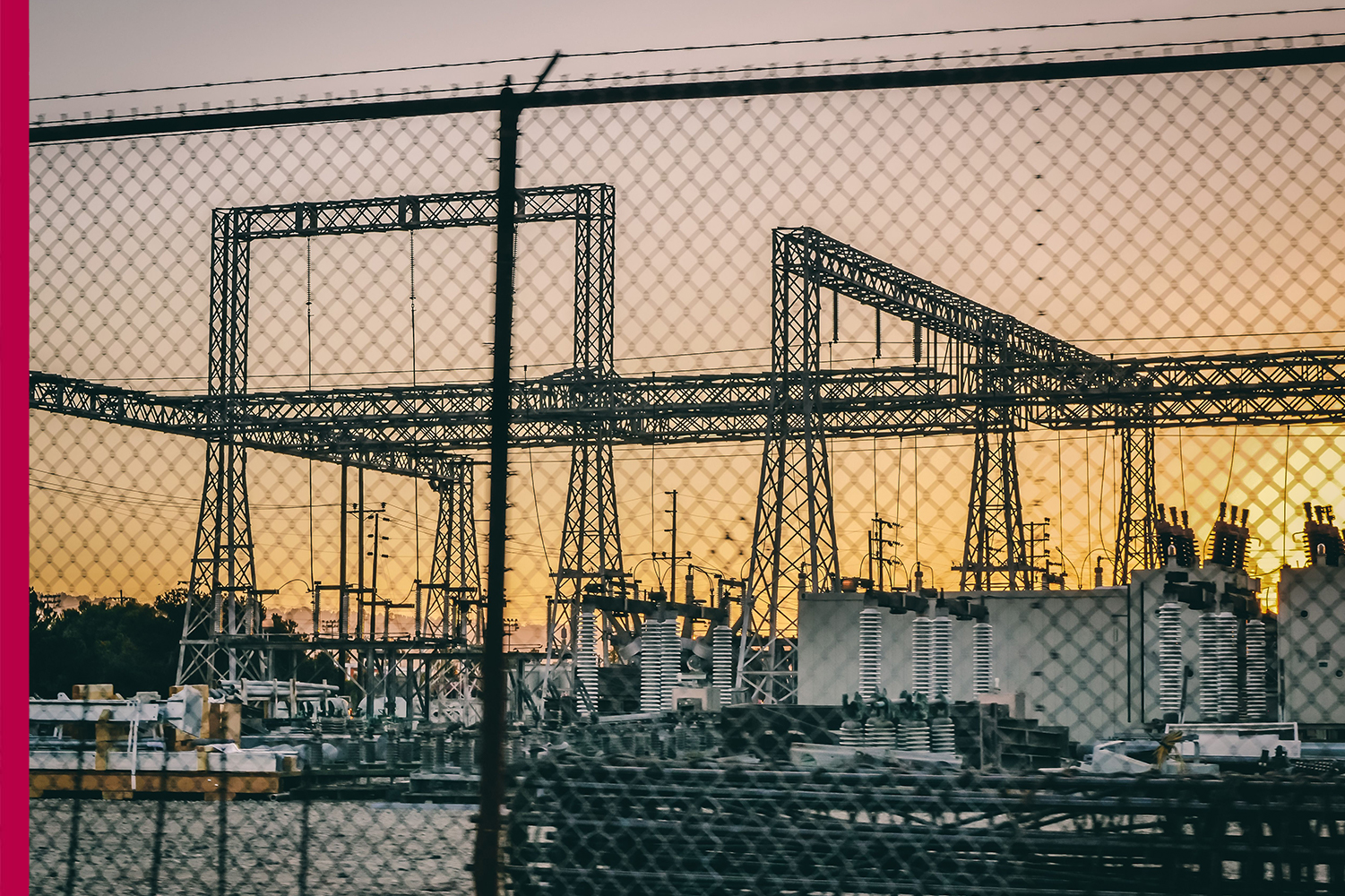
One of the biggest challenges is that sunlight and wind are variable. Electricity systems must balance supply and demand continuously, including when renewable generation falls. Battery storage can help shift electricity from periods of high production to periods of greater demand. Other solutions include improved transmission networks, flexible electricity consumption, pumped-storage systems, and diverse energy sources. Building a reliable clean-energy system therefore requires more than installing renewable generation; it requires coordinated investment across the entire electricity network.
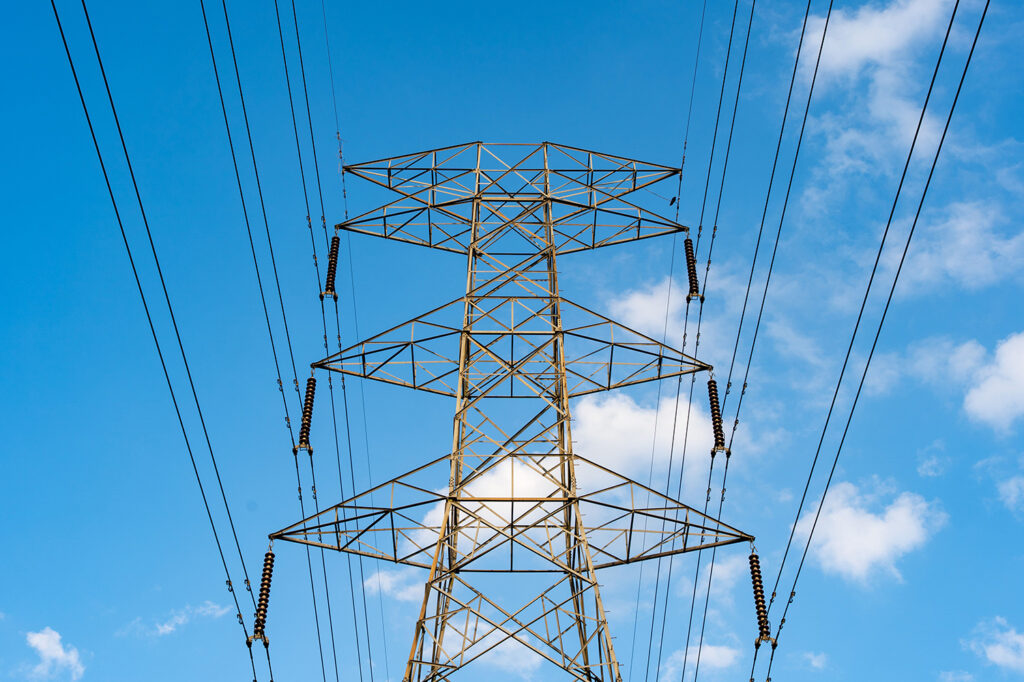
Smart grids are becoming an important part of this effort. Traditional electricity systems often relied on relatively centralised generation and one-directional power flows. Modern networks can incorporate distributed solar installations, electric vehicles, storage systems, and digital monitoring technologies. Smart meters and grid-management tools can help utilities understand consumption patterns, detect certain problems, and manage resources more effectively. These capabilities may improve efficiency, but they also require cybersecurity protections and reliable infrastructure.
Artificial intelligence is creating additional opportunities in energy management. AI-based forecasting can help estimate electricity demand and renewable generation. Industrial facilities may use data analysis to identify energy waste, while buildings can optimise heating, cooling, and lighting. These applications can reduce operating costs and improve energy efficiency when implemented with accurate data and appropriate oversight.
India has substantial opportunities in this changing landscape. Expanding renewable capacity, strengthening electricity transmission, improving storage, and supporting domestic clean-energy manufacturing can contribute to energy security and economic development. Rooftop solar, renewable projects, electric mobility, and efficiency improvements may also create employment across engineering, installation, maintenance, and related services. However, affordability, land availability, grid integration, financing, and access to reliable power remain important considerations.
The transition also raises questions about materials and supply chains. Solar panels, wind turbines, batteries, and electrical equipment require raw materials and specialised manufacturing. Responsible sourcing, recycling, and product lifecycle management will be essential to reduce environmental pressures and improve resource efficiency.
Traditional energy sources will not disappear immediately. Many economies continue to rely on fossil fuels, and different countries face different infrastructure and affordability constraints. A successful transition must therefore account for energy reliability, economic realities, and the needs of communities that depend on existing industries.
Energy efficiency deserves equal attention. Improving insulation, upgrading industrial equipment, reducing transmission losses, and designing efficient buildings can lower demand while delivering economic benefits. The cleanest unit of energy is often the one that can be saved without compromising essential needs.
The future of energy will be shaped by a combination of technological innovation, investment, policy, and consumer participation. Renewable power and smart systems offer important opportunities, but reliable implementation matters as much as ambitious targets.
Ultimately, powering tomorrow means creating an energy system that is cleaner, dependable, affordable, and resilient—one capable of supporting economic progress while protecting the environment for future generations.