



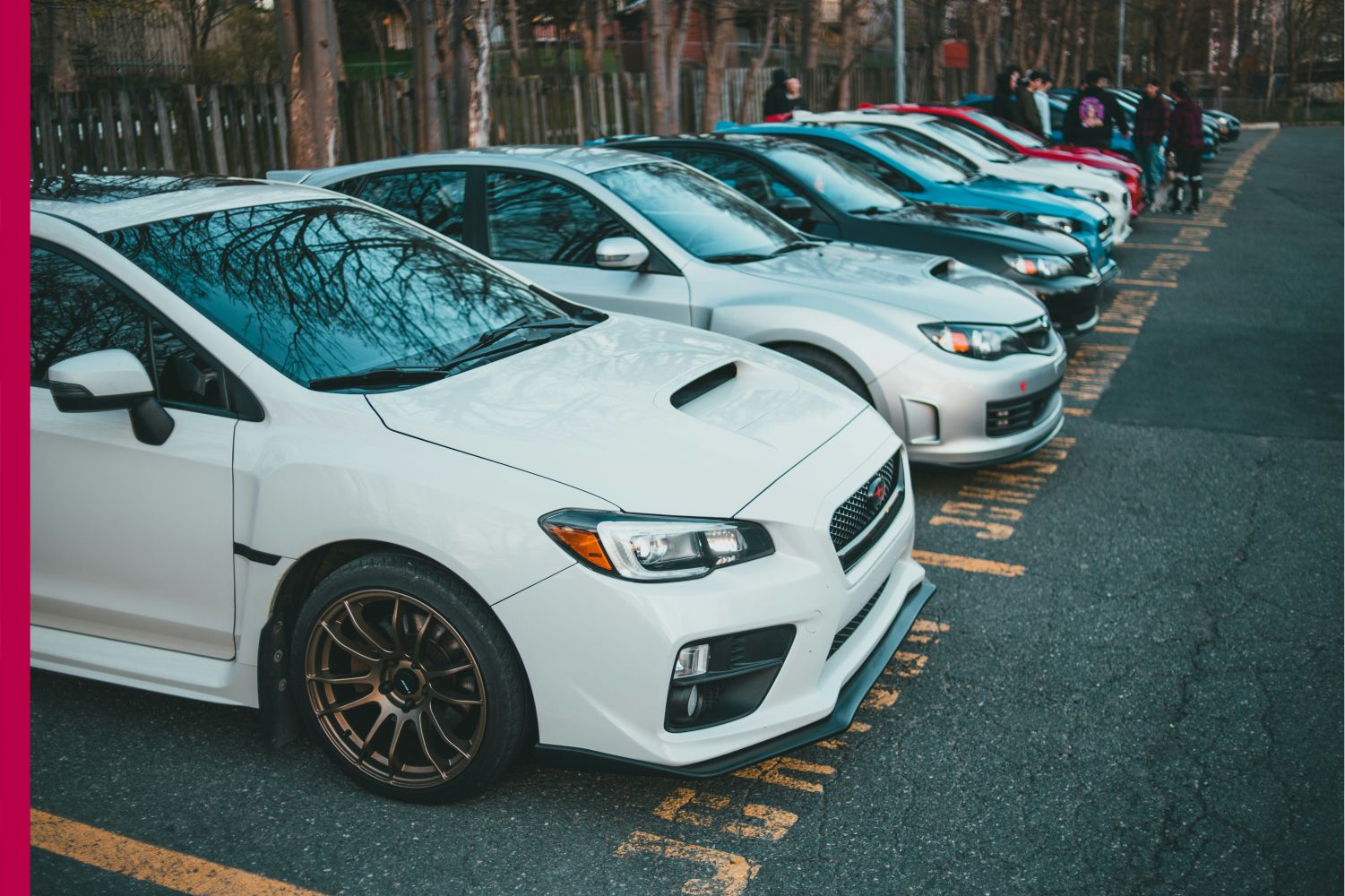
The used car market has witnessed significant growth in recent years, becoming a major segment of the automotive industry. Changing consumer preferences, rising vehicle costs, digital transformation, and economic factors have all contributed to the expansion of the pre-owned vehicle market. Today, used cars are no longer viewed merely as budget alternatives but as practical and value-driven choices for a wide range of consumers.
One of the primary drivers of used car market growth is the increasing cost of new vehicles. Advanced technologies, stricter safety regulations, and rising manufacturing expenses have made new cars more expensive than ever. As a result, many buyers are turning to used vehicles that offer similar features and reliability at a more affordable price. This shift is particularly noticeable among first-time car buyers and middle-income consumers seeking cost-effective mobility solutions.
Digitalization has transformed the way used cars are bought and sold. Online marketplaces and automotive platforms have made the purchasing process more transparent and convenient. Buyers can now compare prices, check vehicle history, view inspection reports, and even complete financing procedures online. Virtual showrooms, digital payments, and doorstep delivery services are enhancing customer confidence and simplifying transactions in the used car industry.
Certified pre-owned vehicle programs are also contributing to market growth. Many dealerships and manufacturers now offer certified used cars that undergo detailed inspections and refurbishment processes before resale. These vehicles often come with warranties and service support, reducing concerns about reliability and maintenance. Such programs have improved consumer trust and elevated the overall perception of the used car market.
The growing availability of financing options has further accelerated demand. Banks, financial institutions, and digital lenders are increasingly offering loans specifically designed for used vehicle purchases. Flexible repayment plans and competitive interest rates make used cars more accessible to a broader customer base. This financial support is helping consumers upgrade their mobility without the high financial burden associated with new vehicles.
Another major trend shaping the market is the rising demand for fuel-efficient and technologically advanced vehicles. Consumers are actively seeking used cars equipped with modern features such as infotainment systems, advanced safety technologies, and improved fuel economy. As automotive technology evolves rapidly, many vehicle owners upgrade their cars more frequently, increasing the supply of relatively newer used vehicles in the market.

Economic uncertainty and changing consumer behavior are also influencing the growth of the used car industry. During periods of inflation or financial instability, consumers often prioritize affordability and value retention. Used vehicles offer lower depreciation compared to new cars, making them a financially sensible option for many buyers.
Sustainability considerations are becoming increasingly relevant as well. Purchasing a used car extends the lifecycle of a vehicle, reducing the environmental impact associated with manufacturing new automobiles. This aligns with the growing awareness of sustainable consumption and resource conservation.
Despite its growth, the used car market faces challenges such as price fluctuations, quality inconsistencies, and concerns about fraud or hidden vehicle history. However, improved regulations, digital verification systems, and inspection technologies are helping address these issues and create a more trustworthy marketplace.
In conclusion, the used car market is experiencing strong and sustained growth driven by affordability, digital innovation, financing accessibility, and changing consumer preferences. As technology and transparency continue to improve, the used car industry is expected to remain a key pillar of the automotive market in the years ahead.