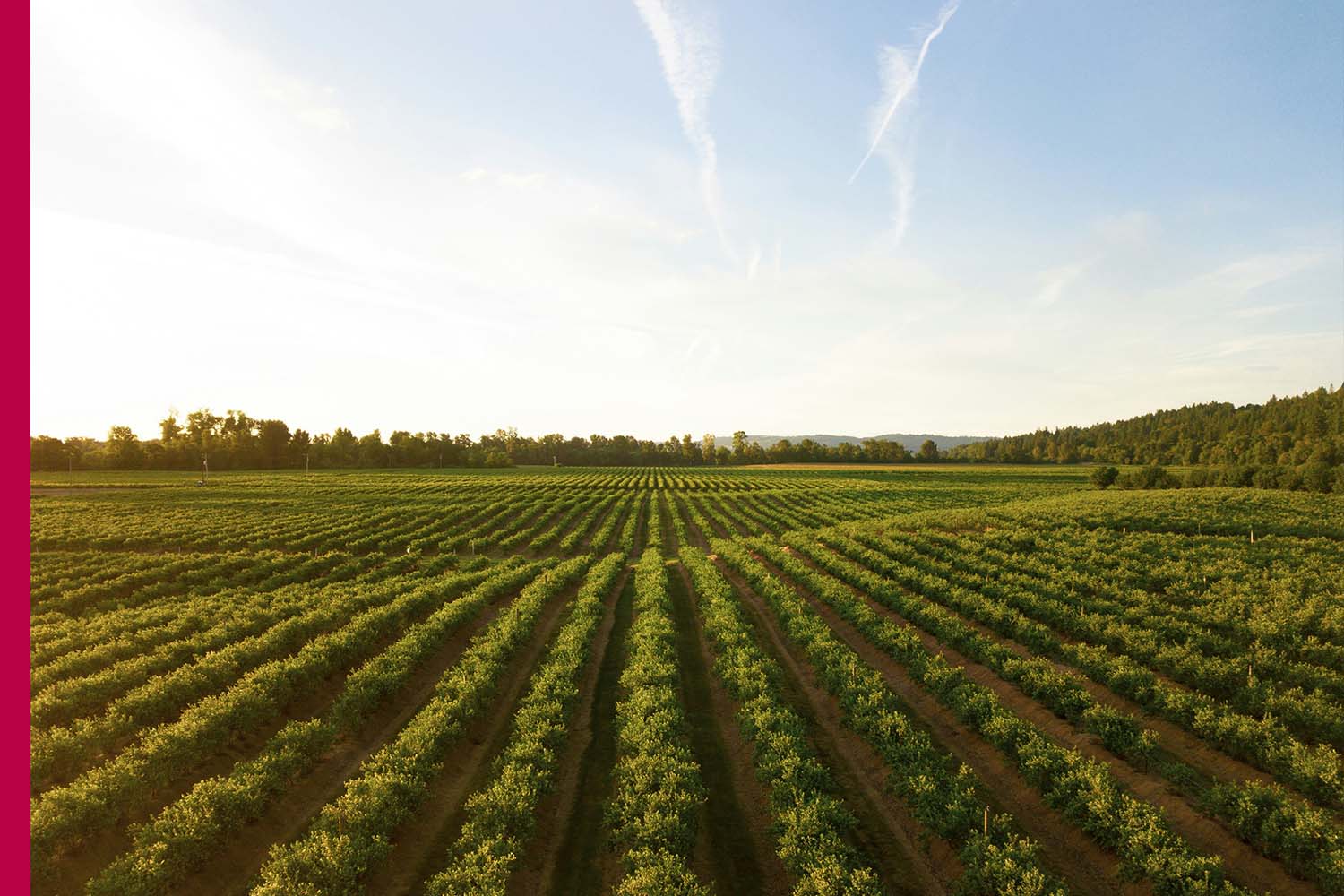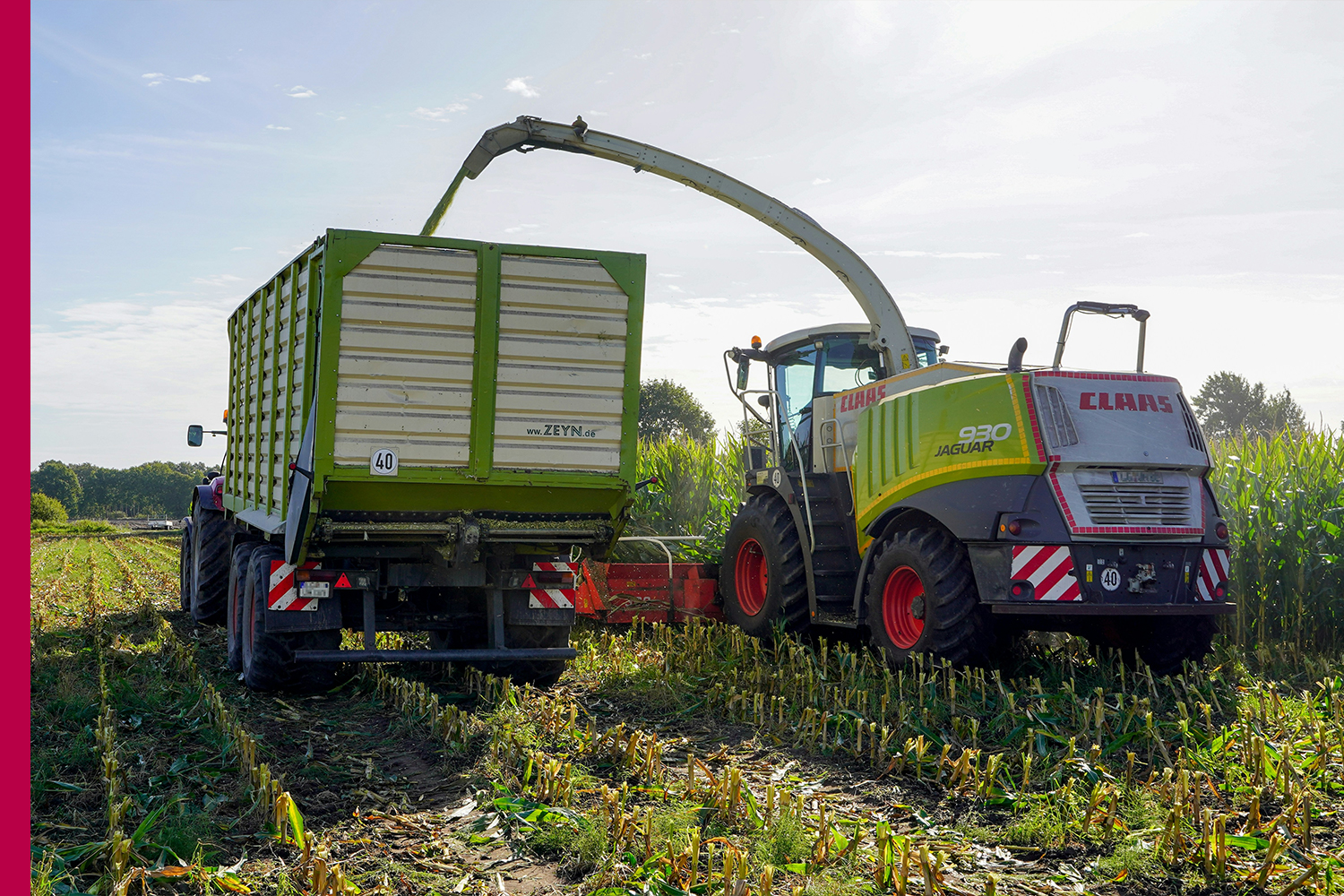




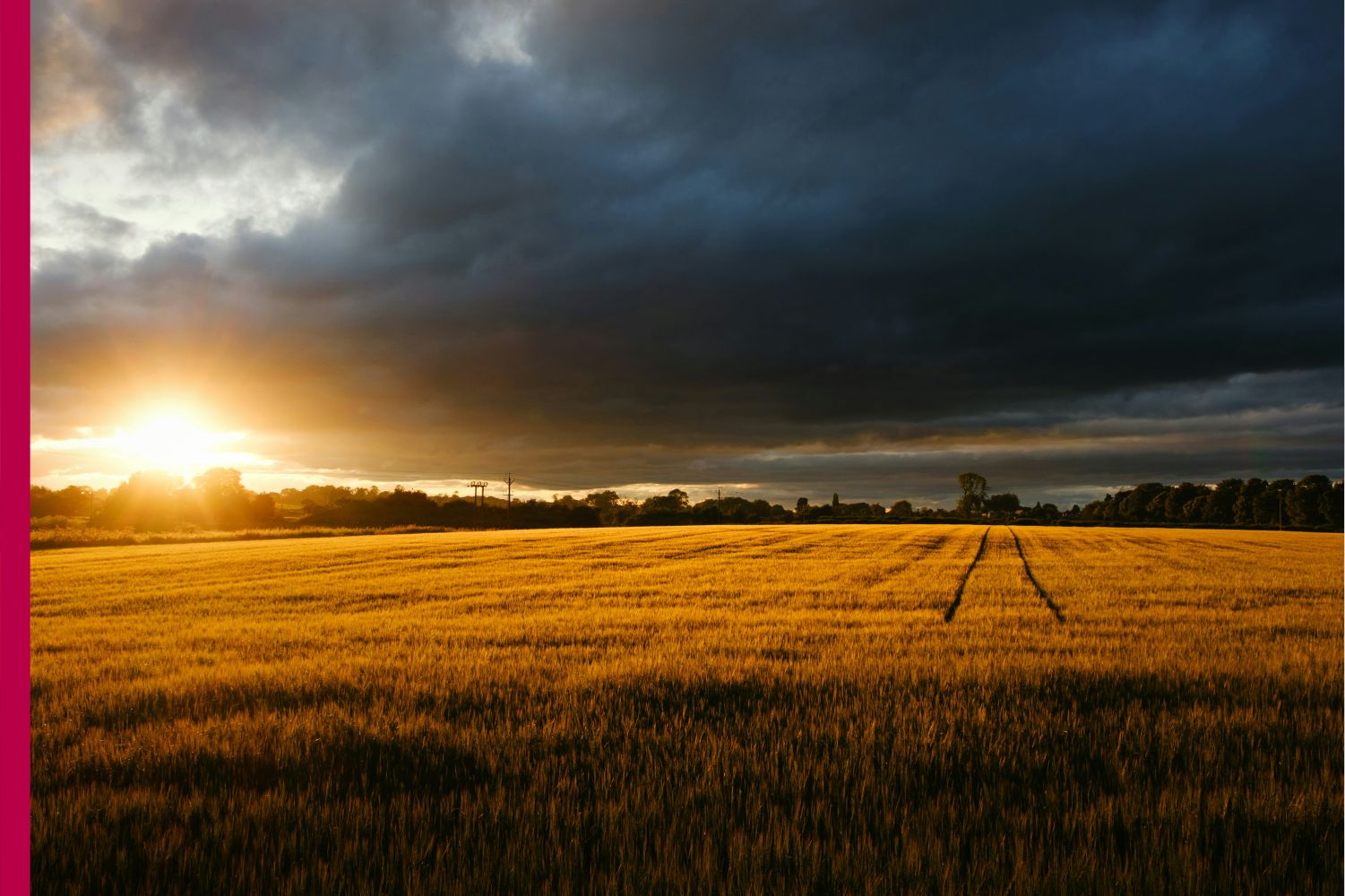
Weather plays a crucial role in agriculture, influencing crop growth, irrigation, harvesting, and overall farm productivity. Unpredictable weather conditions such as droughts, floods, storms, and temperature fluctuations can significantly impact agricultural output and farmer income. To reduce these risks, weather forecasting tools have become essential for modern farming. These technologies help farmers make informed decisions, improve resource management, and increase productivity.
One of the primary benefits of weather forecasting tools is accurate planning for farming activities. Farmers rely on weather predictions to decide the best time for sowing, irrigation, fertilization, and harvesting. Timely forecasts allow them to avoid unfavorable conditions that may damage crops. For example, knowing about incoming rainfall helps farmers reduce unnecessary irrigation, saving both water and energy costs.
Modern weather forecasting tools use advanced technologies such as satellite imaging, sensors, artificial intelligence, and data analytics to provide real-time information. Mobile applications and digital platforms deliver localized weather updates directly to farmers, enabling quick and informed decision-making. These tools provide details on rainfall, temperature, humidity, wind speed, and storm warnings, helping farmers prepare for changing weather conditions.
Precision agriculture has further enhanced the role of weather forecasting in farming. By integrating weather data with soil analysis and crop monitoring systems, farmers can optimize resource usage and improve crop health. Precision farming tools help determine the exact amount of water, fertilizers, and pesticides needed, reducing waste and increasing efficiency. This data-driven approach supports sustainable agriculture and lowers production costs.
Weather forecasting tools are also valuable in managing risks related to climate change. Extreme weather events are becoming more frequent, making farming increasingly unpredictable. Early warning systems help farmers take preventive measures to protect crops, livestock, and equipment. For instance, frost alerts can help farmers safeguard sensitive crops, while cyclone or flood warnings enable them to minimize losses by taking timely action.
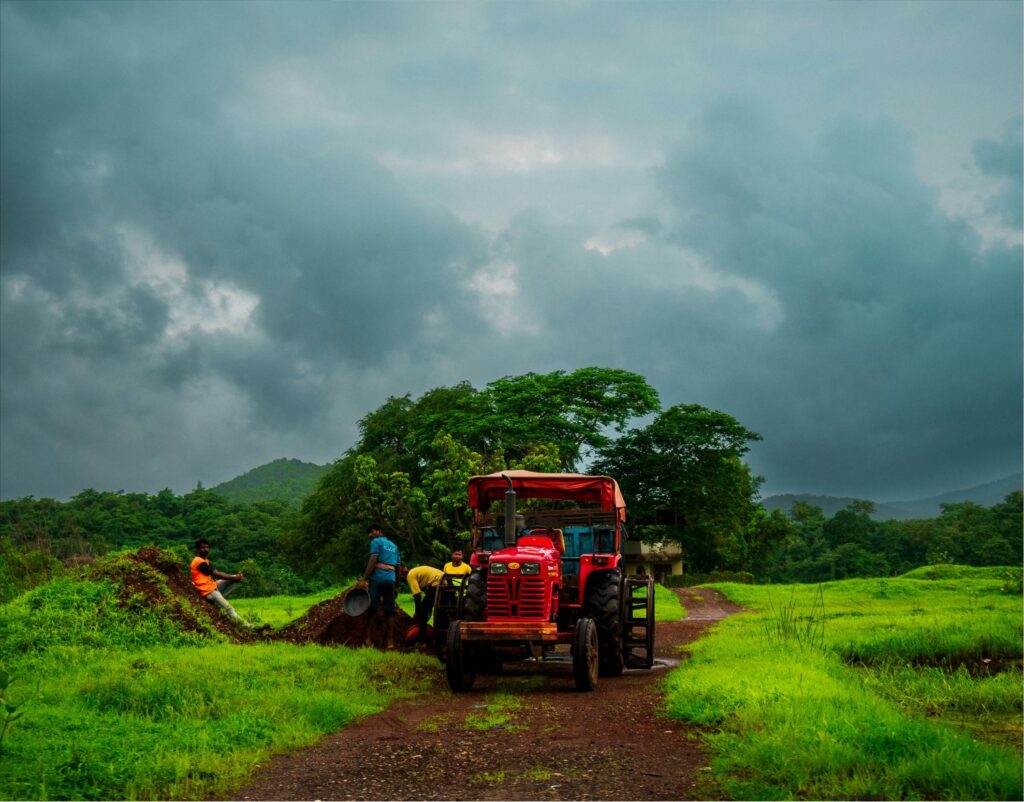
Another important application of weather forecasting is pest and disease management. Many crop diseases and pest infestations are influenced by climatic conditions such as humidity and temperature. Forecasting tools can predict favorable conditions for pest outbreaks, allowing farmers to apply preventive measures before the problem spreads. This reduces crop damage and minimizes excessive pesticide use.
Access to weather information also improves financial planning for farmers. Reliable forecasts help in estimating crop yields, managing supply chains, and planning market activities. Farmers can make better decisions regarding storage, transportation, and pricing based on expected weather patterns and production outcomes.
Despite these advantages, challenges remain in ensuring widespread adoption of weather forecasting tools. Limited internet connectivity, lack of awareness, and difficulties in interpreting data can restrict their effectiveness in some rural communities. Improving accessibility and user-friendly design is essential to maximize the benefits of these technologies.
In conclusion, weather forecasting tools have become indispensable for modern agriculture. By helping farmers make informed decisions, manage risks, and optimize resources, these technologies contribute to higher productivity, sustainability, and income stability. As climate challenges continue to grow, weather forecasting will play an increasingly important role in securing the future of agriculture.