




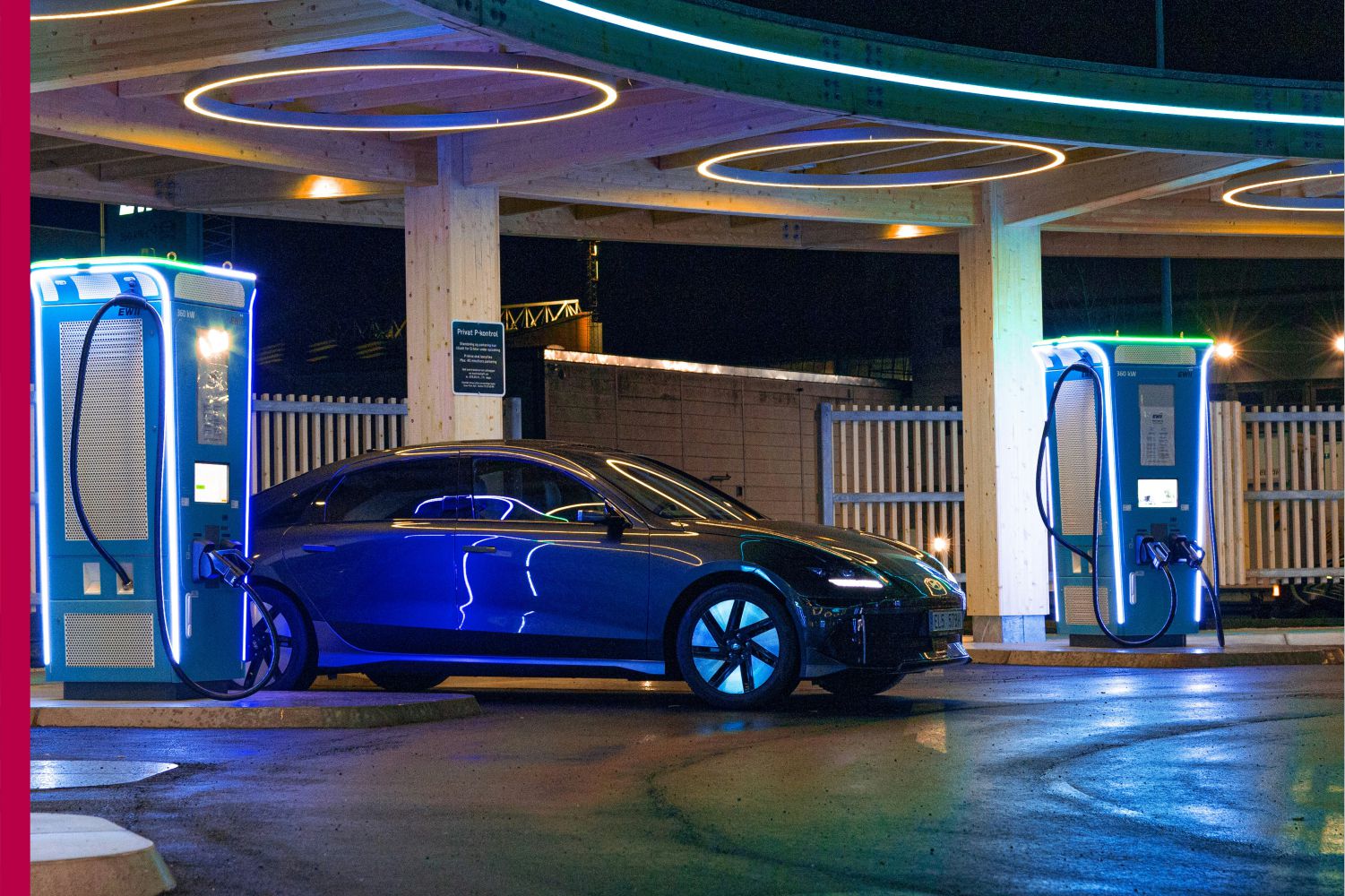
The rapid rise of electric vehicles (EVs) has brought charging infrastructure into sharp focus as a critical component of the transportation ecosystem. While EV adoption continues to grow, the availability and accessibility of charging stations play a decisive role in determining how quickly this transition can scale. Expanding charging infrastructure is not just about convenience; it is essential for building confidence among consumers and supporting the long-term sustainability of electric mobility.
Charging infrastructure refers to the network of stations where electric vehicles can recharge their batteries. These stations vary in type, including slow chargers for home use, fast chargers for public locations, and ultra-fast chargers designed for highways and long-distance travel. The development of diverse charging options ensures that EV users can meet their needs efficiently, whether for daily commutes or extended journeys.
One of the primary challenges in EV adoption has been “range anxiety,” the fear that a vehicle may run out of power without access to a nearby charging point. Expanding charging infrastructure directly addresses this concern by increasing the number of available stations and improving their distribution. A well-connected network of chargers reduces uncertainty and encourages more people to switch to electric vehicles.
Governments and private companies are playing a key role in accelerating infrastructure expansion. Policies such as subsidies, tax incentives, and public-private partnerships are driving investment in charging networks. In countries like India, initiatives to promote electric mobility include the installation of charging stations in urban areas, highways, and commercial hubs. These efforts are helping create a supportive environment for EV adoption.
Technology is also shaping the evolution of charging infrastructure. Innovations in battery technology and charging systems are reducing charging times and improving efficiency. Smart charging solutions, integrated with digital platforms, allow users to locate stations, monitor charging status, and make payments بسهولة. These advancements enhance user experience and streamline the overall process.
Another important aspect of infrastructure expansion is the integration of renewable energy. Charging stations powered by solar or wind energy contribute to a cleaner and more sustainable energy ecosystem. This approach not only reduces the carbon footprint of electric vehicles but also aligns with global efforts to combat climate change.
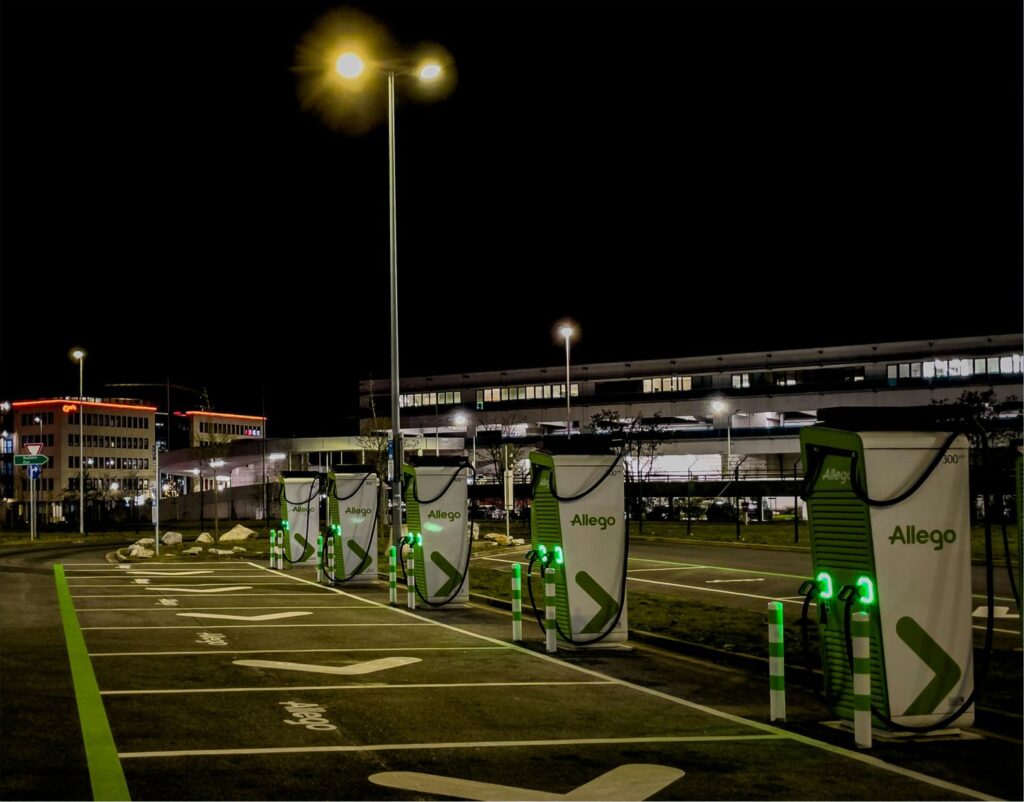
Urban planning is increasingly incorporating EV charging infrastructure as a standard feature. Residential complexes, office buildings, shopping centers, and parking facilities are being equipped with charging points to meet growing demand. This integration ensures that charging becomes a seamless part of daily life rather than a separate or inconvenient activity.
Despite progress, several challenges remain. High installation costs, land availability, and the need for grid upgrades can slow down the expansion process. Additionally, standardization of charging systems and connectors is essential to ensure compatibility across different vehicle models. Addressing these challenges requires coordinated efforts from governments, industry stakeholders, and technology providers.
Public awareness and education are also important for the success of charging infrastructure. Consumers need to understand how charging systems work, the benefits of electric mobility, and the availability of charging networks. Increased awareness can drive adoption and encourage more investment in infrastructure development.
In conclusion, the expansion of charging infrastructure is a vital step toward the widespread adoption of electric vehicles. By improving accessibility, reducing range anxiety, and integrating advanced technologies, charging networks are enabling a smoother transition to sustainable transportation. As investment and innovation continue to grow, charging infrastructure will play a central role in shaping the future of mobility and supporting a cleaner, greener world.