



The modern workplace is undergoing a profound transformation as humans and intelligent systems begin to work side by side. Rather than replacing human roles entirely, artificial intelligence is increasingly being integrated as a collaborative partner, enhancing productivity, creativity, and decision-making. This shift toward human-AI collaboration is redefining how organizations operate and how employees engage with their work.
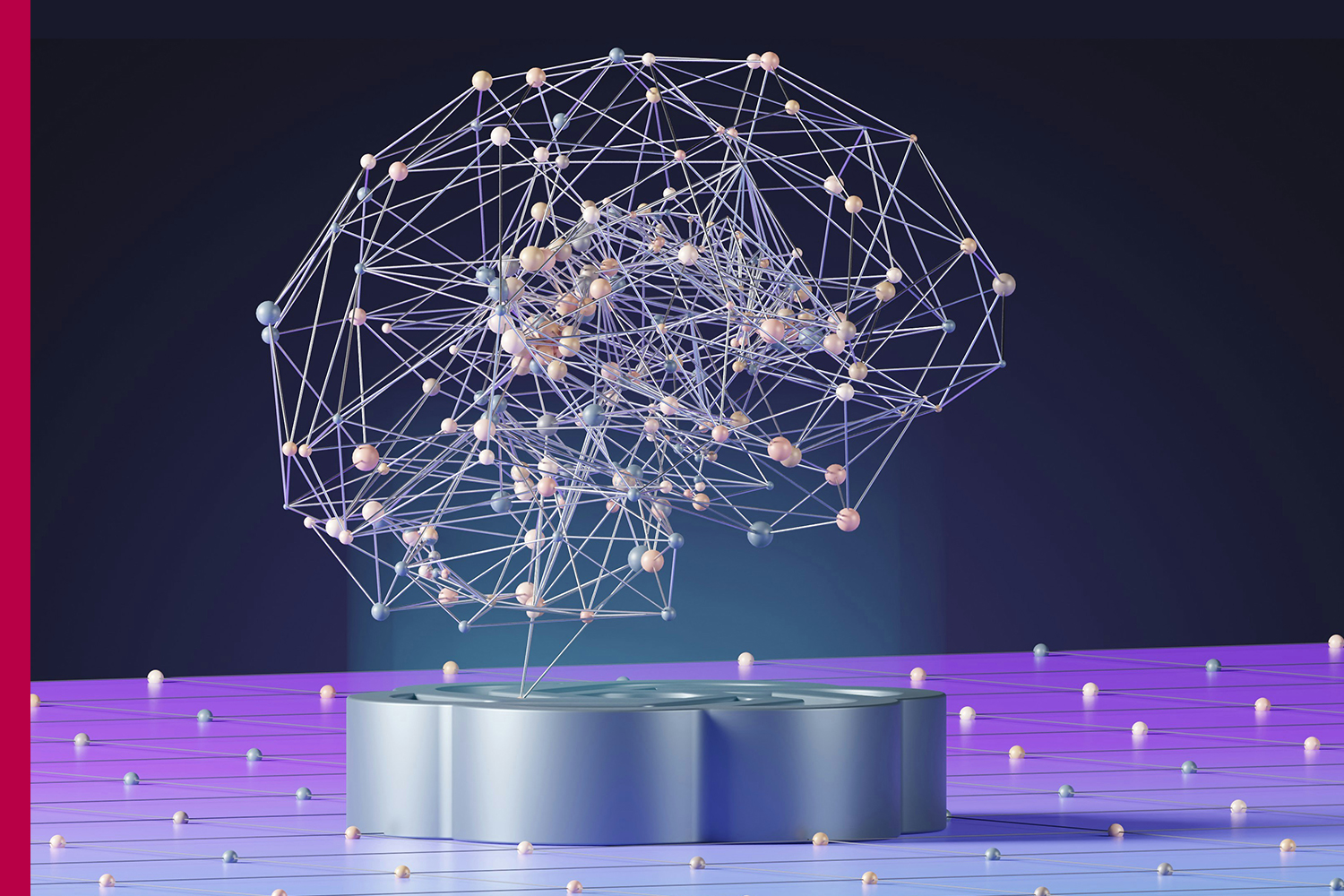
At the core of this transformation is Artificial Intelligence, which enables machines to analyze data, recognize patterns, and perform tasks with speed and accuracy. When combined with human intelligence—characterized by creativity, emotional understanding, and critical thinking—the result is a powerful synergy. This collaboration allows businesses to achieve outcomes that neither humans nor machines could accomplish alone.
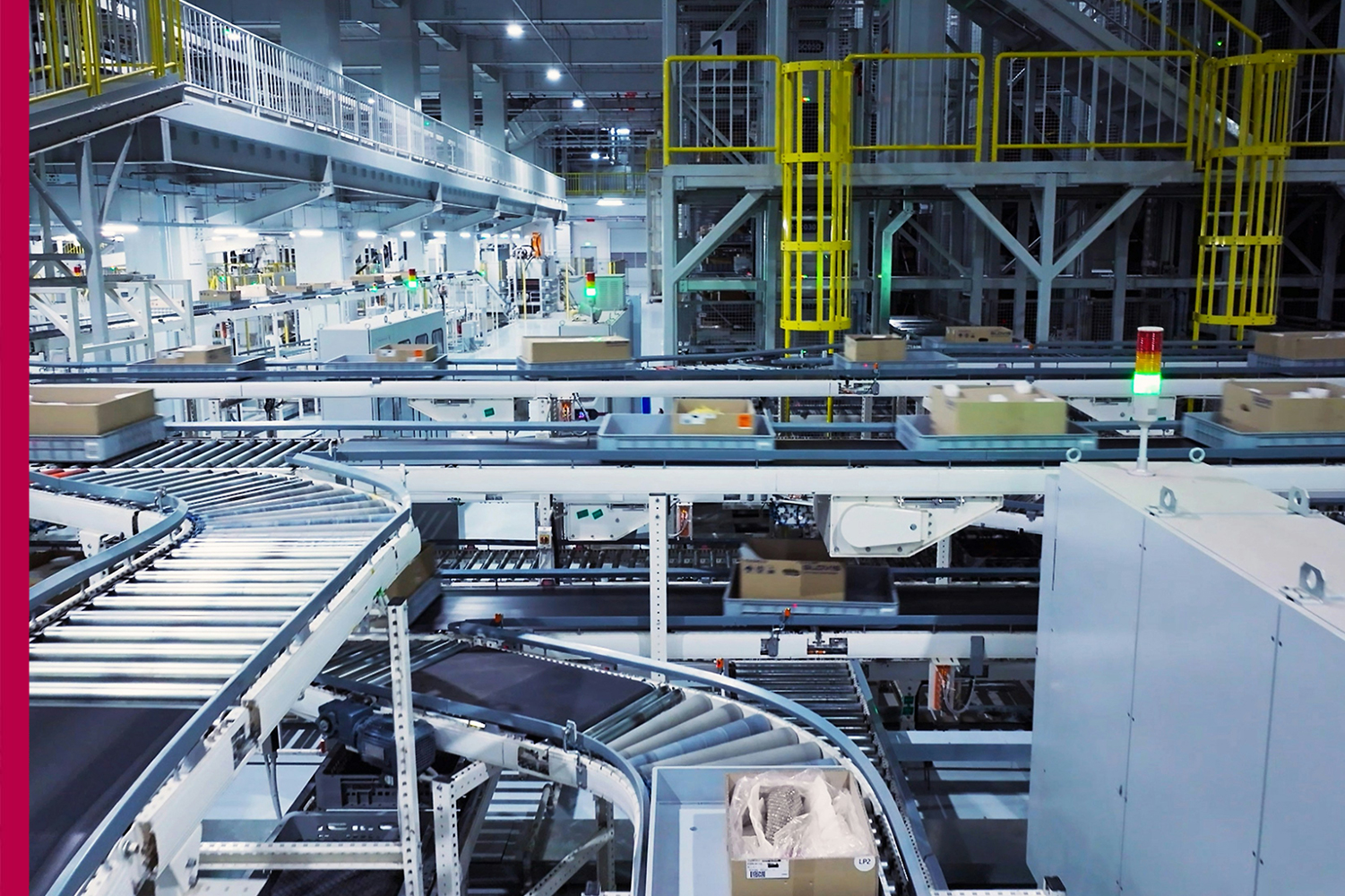
One of the most significant benefits of human-AI collaboration is improved efficiency. AI systems can handle repetitive and time-consuming tasks such as data entry, scheduling, and basic customer support. This frees up employees to focus on higher-value activities like strategy, innovation, and relationship building. By reducing manual workload, organizations can increase productivity while also improving job satisfaction among employees.
Decision-making is another area where human-AI collaboration is making a strong impact. AI tools can process vast amounts of data and generate insights that help guide business decisions. However, human judgment remains essential for interpreting these insights and considering broader context, ethical implications, and long-term goals. This combination ensures that decisions are both data-driven and thoughtful.
Creativity and innovation are also enhanced through collaboration with AI. In fields such as design, marketing, and product development, AI can generate ideas, analyze trends, and suggest improvements. Humans can then refine and apply these ideas in meaningful ways. This partnership accelerates the creative process and opens new possibilities for innovation.
In workplaces across India and beyond, organizations are adopting AI-powered tools to streamline operations and improve performance. From chatbots in customer service to predictive analytics in finance, AI is becoming an integral part of daily workflows. Employees are increasingly required to develop digital skills and adapt to new technologies, making continuous learning an important aspect of modern careers.
Despite its advantages, human-AI collaboration also presents challenges. One of the main concerns is the fear of job displacement. While AI may automate certain roles, it also creates new opportunities that require advanced skills and expertise. The focus is shifting toward reskilling and upskilling employees to work effectively alongside AI systems.
Another challenge is ensuring ethical use of AI. Issues such as data privacy, bias in algorithms, and transparency must be addressed to build trust in AI systems. Organizations need to establish clear guidelines and governance frameworks to ensure that AI is used responsibly and fairly.
Effective collaboration between humans and AI also requires a cultural shift within organizations. Employees must be open to adopting new technologies and viewing AI as a supportive tool rather than a threat. Leadership plays a key role in fostering this mindset and creating an environment that encourages innovation and adaptability.
In conclusion, human-AI collaboration is shaping the future of workplaces by combining the strengths of both humans and technology. By enhancing efficiency, improving decision-making, and driving innovation, this partnership is unlocking new levels of productivity. As organizations continue to evolve, embracing human-AI collaboration will be essential for staying competitive and achieving sustainable growth in a rapidly changing world.