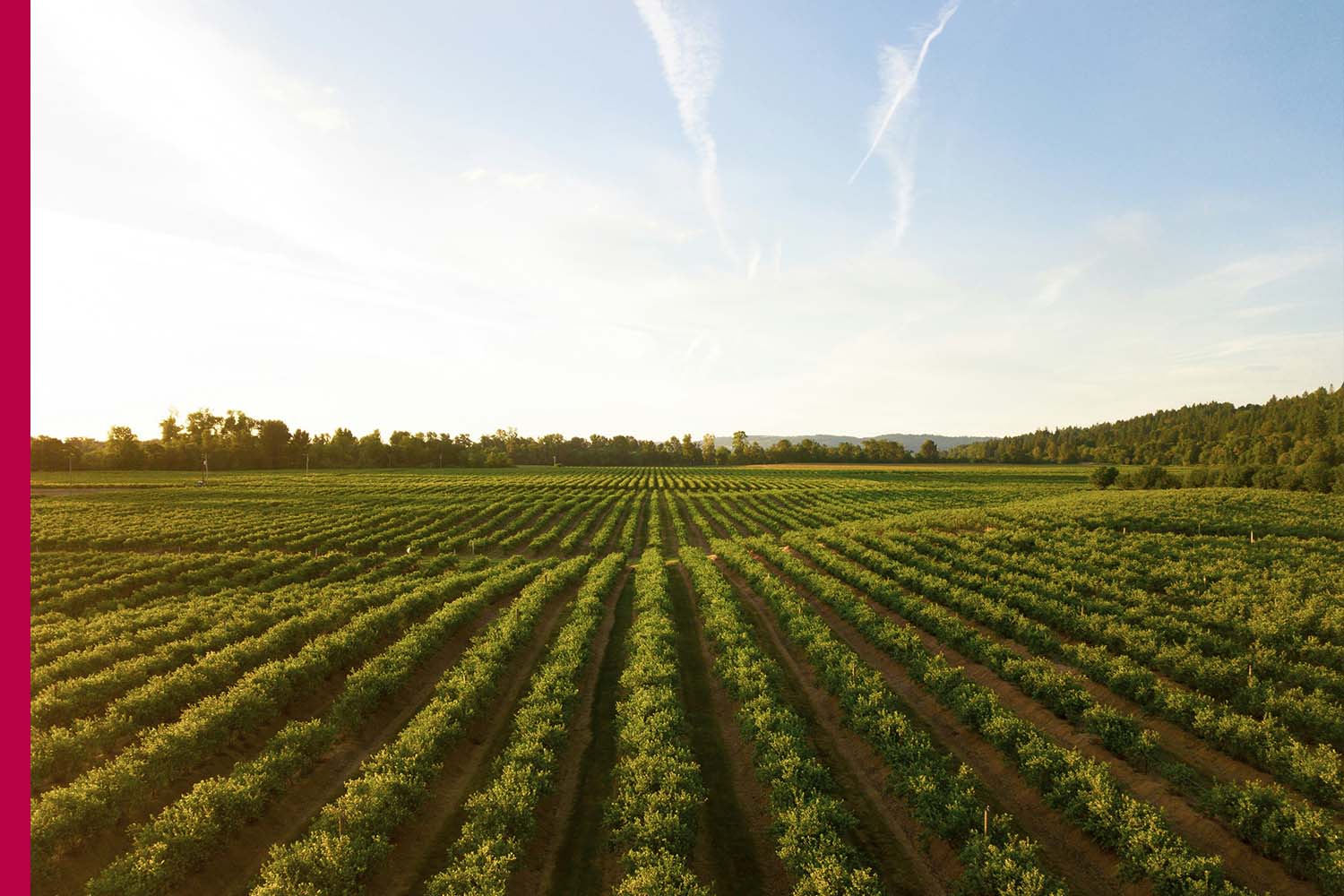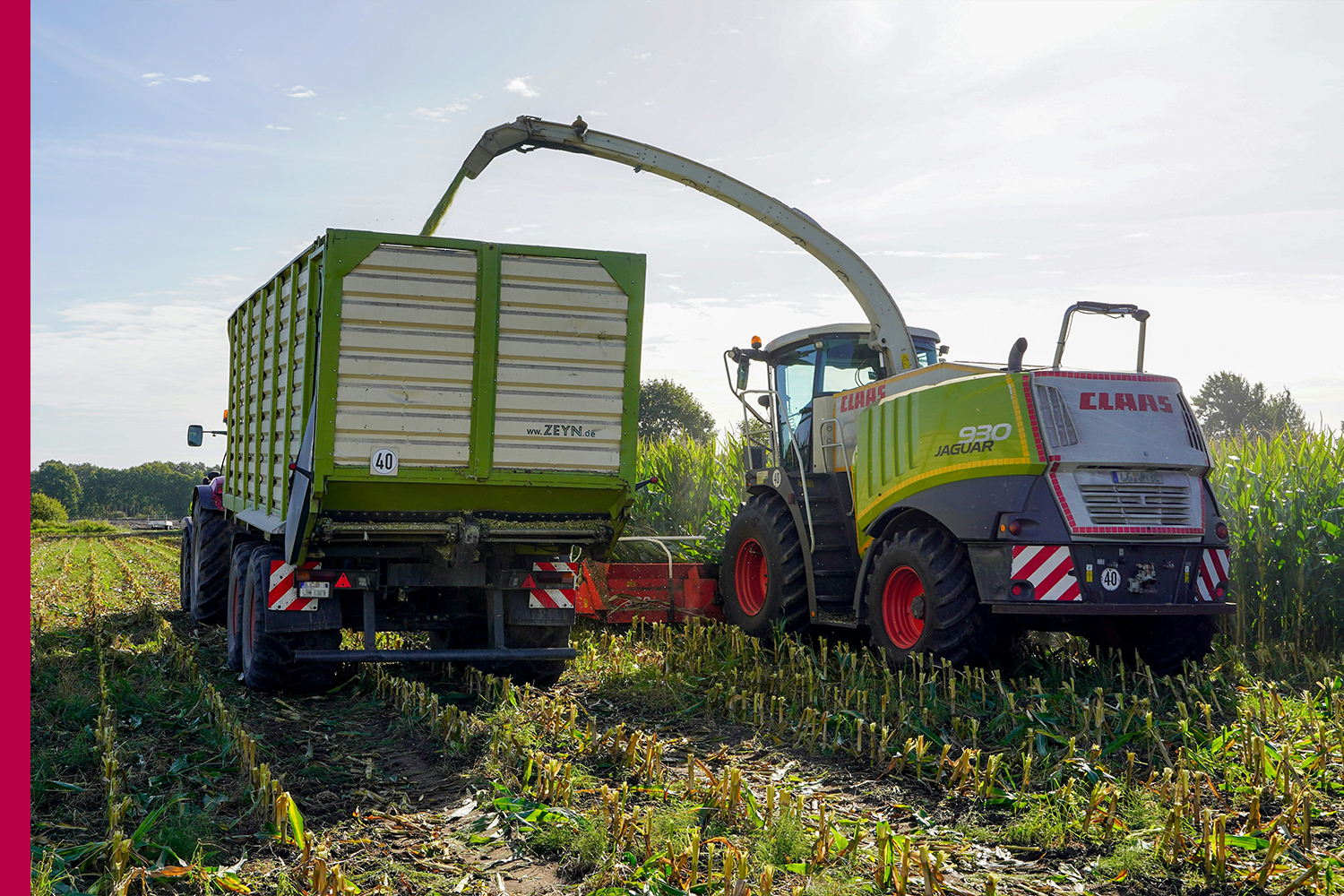




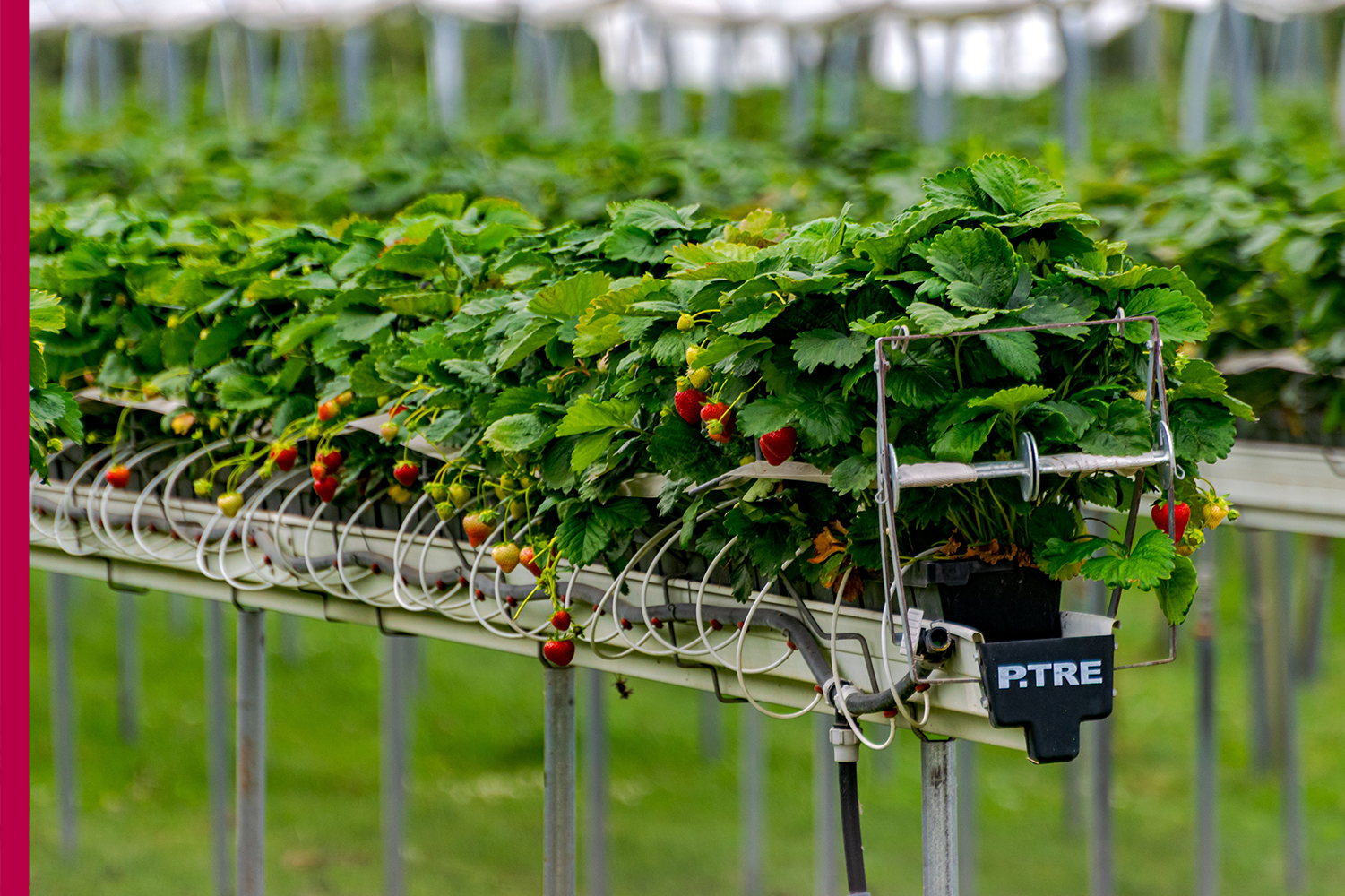
Agriculture is undergoing a technological transformation as farmers increasingly use digital tools to monitor crops, manage resources, and improve productivity. This growing field, known as agricultural technology or AgriTech, combines farming expertise with innovations such as artificial intelligence, drones, satellite imagery, connected sensors, automated machinery, and digital marketplaces. Its objective is to help farmers make better decisions while addressing the economic and environmental challenges of modern food production.
One of the most important developments is precision agriculture. Instead of treating an entire field in the same way, farmers can use digital information to understand differences in soil conditions, moisture levels, crop growth, and nutrient requirements. This approach may allow water, fertilisers, and other inputs to be applied more accurately, helping reduce unnecessary costs and resource waste.
Drones are another increasingly visible tool in agriculture. Depending on local regulations and the equipment used, drones can assist with field surveys, crop monitoring, and selected spraying applications. Images collected during a survey may help identify areas affected by poor growth, water stress, or pest activity. Farmers can then investigate those areas rather than relying exclusively on visual inspection of the entire field.
Connected sensors can also provide information about soil moisture, temperature, and other growing conditions. When combined with weather data, these measurements can support irrigation planning and crop management. Automated systems may adjust irrigation according to established rules, although they require reliable equipment, suitable calibration, and regular maintenance.
Artificial intelligence adds another layer to these technologies. AI-based applications can analyse images, weather information, and historical records to identify patterns that may be difficult to recognise manually. These systems may support crop planning, disease monitoring, and yield estimation. Their reliability depends on the quality of the data and whether the technology has been tested under relevant local conditions.
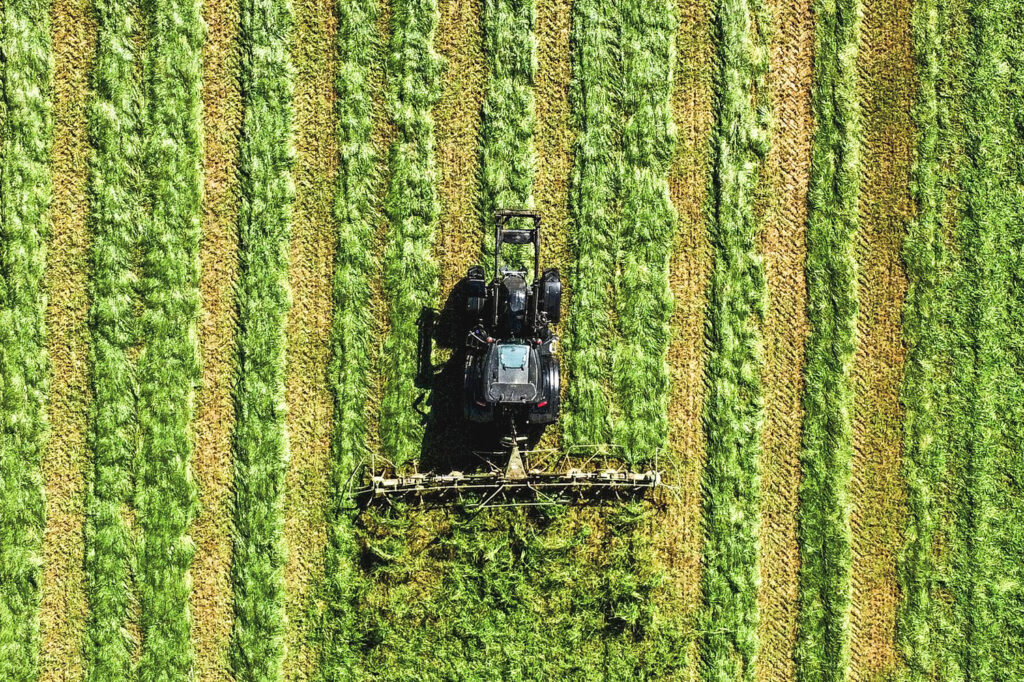
AgriTech is also changing how agricultural products reach markets. Digital platforms can connect farmers with buyers, provide price information, and help coordinate transport and storage. Better access to market information may improve planning and reduce dependence on limited sources of information. However, digital marketplaces must also address logistics, payment reliability, quality standards, and fair participation.
Despite its potential, technology adoption is not equally easy for every farmer. Equipment can be expensive, connectivity may be limited, and some applications require specialised skills. Shared-service models, agricultural cooperatives, local training programmes, and accessible mobile tools can help make innovation more inclusive.
Environmental sustainability is another important consideration. Technology can help farmers use water and agricultural inputs more efficiently, but the benefits depend on how the systems are implemented. Responsible land management, healthy soil, biodiversity, and suitable crop choices remain essential.
The future of AgriTech will not be determined by the sophistication of devices alone. Its success will depend on whether technology solves real farming problems, remains affordable, and improves outcomes for farmers. By combining local knowledge with practical digital tools, smart farming can contribute to a more productive, resilient, and resource-conscious agricultural sector.