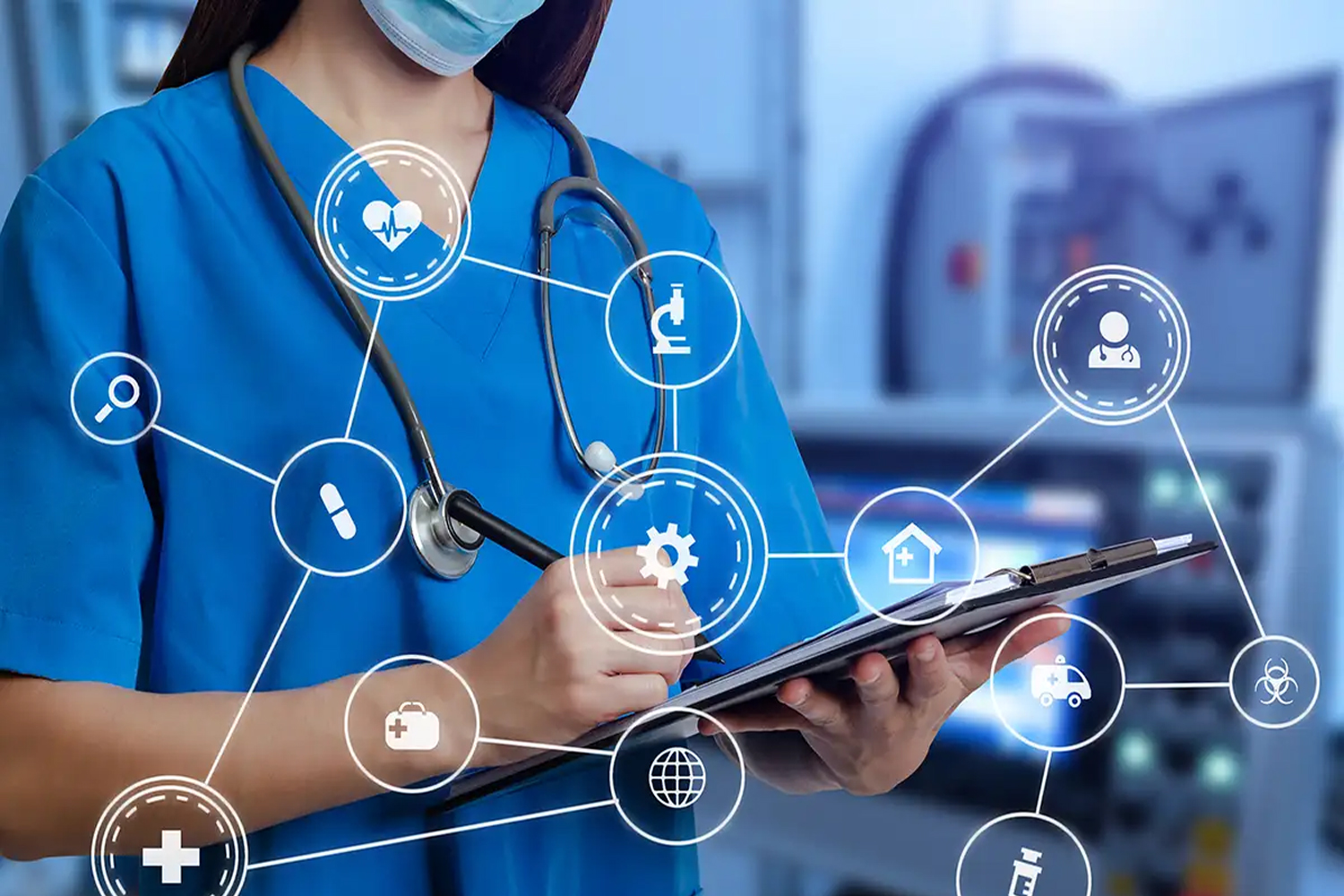




Healthcare is entering a new era in which technology, scientific research, and changing patient expectations are reshaping the delivery of medical services. Traditional healthcare systems often focused on treating illnesses after symptoms appeared. Today, increasing attention is being given to prevention, early detection, personalised treatment, and continuity of care. The objective is to help people maintain better health while enabling healthcare professionals to make more informed decisions.
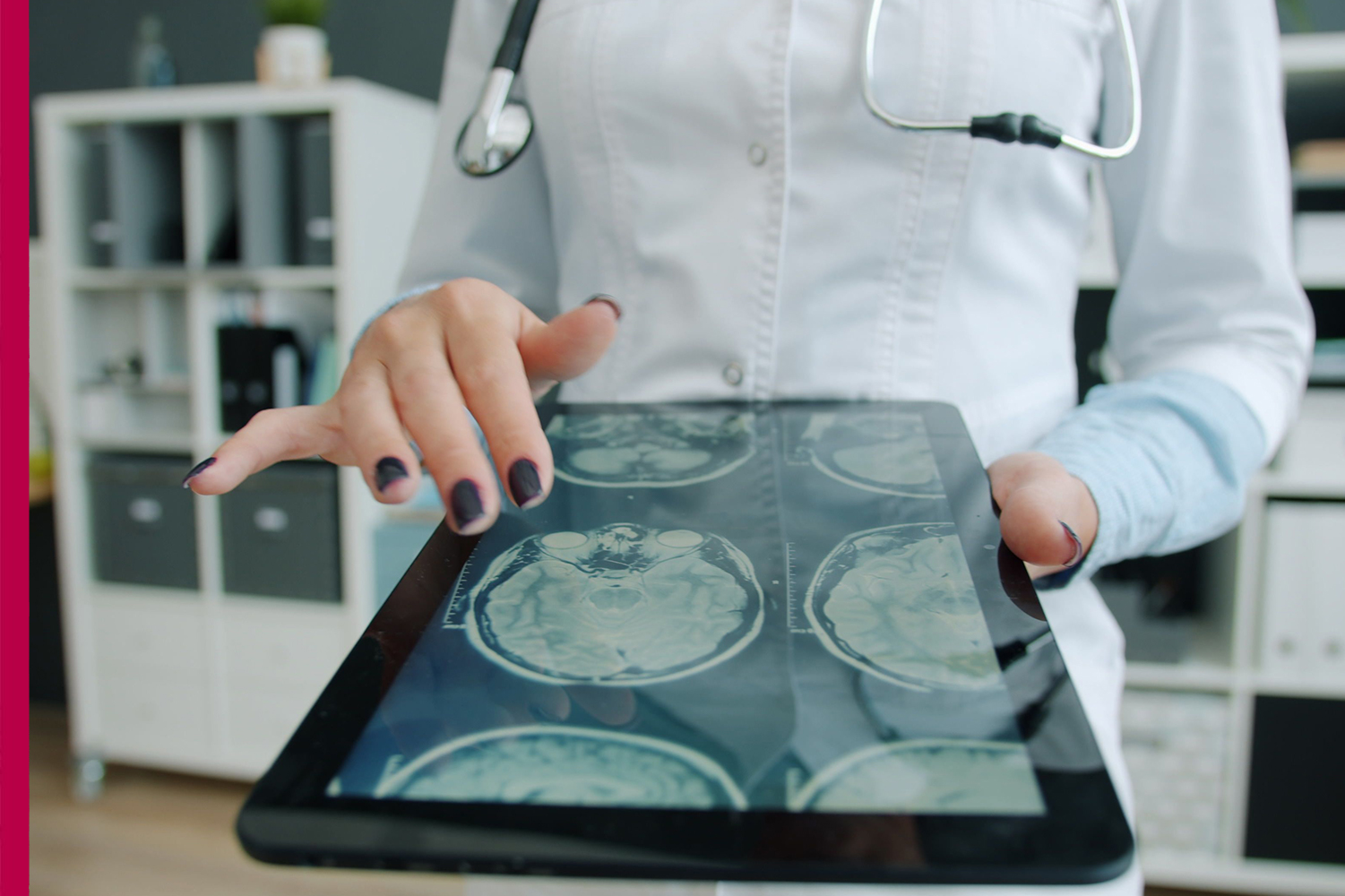
Artificial intelligence is becoming an important part of this transformation. Medical researchers and healthcare providers are exploring AI applications in medical imaging, clinical documentation, risk assessment, and administrative processes. In carefully evaluated settings, these systems can help identify patterns in large datasets and support healthcare professionals in reviewing information. However, AI-generated recommendations require appropriate validation and oversight. Medical decisions must account for individual circumstances, and technology should support rather than replace qualified clinical judgement.
Telemedicine has also expanded the possibilities for accessing healthcare. Remote consultations can help patients communicate with clinicians without travelling long distances, particularly when mobility, geography, or time presents a barrier. Digital appointments may be useful for selected follow-ups, routine discussions, and certain initial assessments. Nevertheless, some conditions require physical examination, diagnostic testing, or urgent in-person treatment. Effective healthcare systems must therefore combine digital services with accessible physical facilities.
Preventive healthcare is receiving greater attention as populations and health systems face the long-term consequences of chronic diseases. Regular health assessments, appropriate screening, vaccination, physical activity, balanced nutrition, and timely medical advice can contribute to better health outcomes. The value of prevention lies in identifying risks and addressing them appropriately before complications develop. Public education and access to affordable services are essential to making prevention practical.
Wearable devices and remote-monitoring technologies offer additional opportunities. Depending on the device and clinical context, they can help track measurements such as heart rate, physical activity, or selected physiological indicators. Healthcare professionals may use reliable monitoring data to support care plans for certain patients. However, consumer devices vary in accuracy, and unusual readings should be interpreted in context rather than treated as definitive diagnoses.
Personalised medicine is another area of development. Advances in genetics, diagnostics, and molecular biology are helping researchers understand why individuals may respond differently to treatments. These insights can support more tailored approaches in selected medical fields. Yet personalised treatments may be expensive, and their availability depends on research evidence, infrastructure, and healthcare resources.
Technology alone cannot resolve every healthcare challenge. Hospitals and clinics continue to depend on skilled professionals, well-managed facilities, reliable supplies, and effective communication. Healthcare workers also face demands involving workload, emotional stress, and limited resources. Investment in professional development and workforce wellbeing remains crucial.
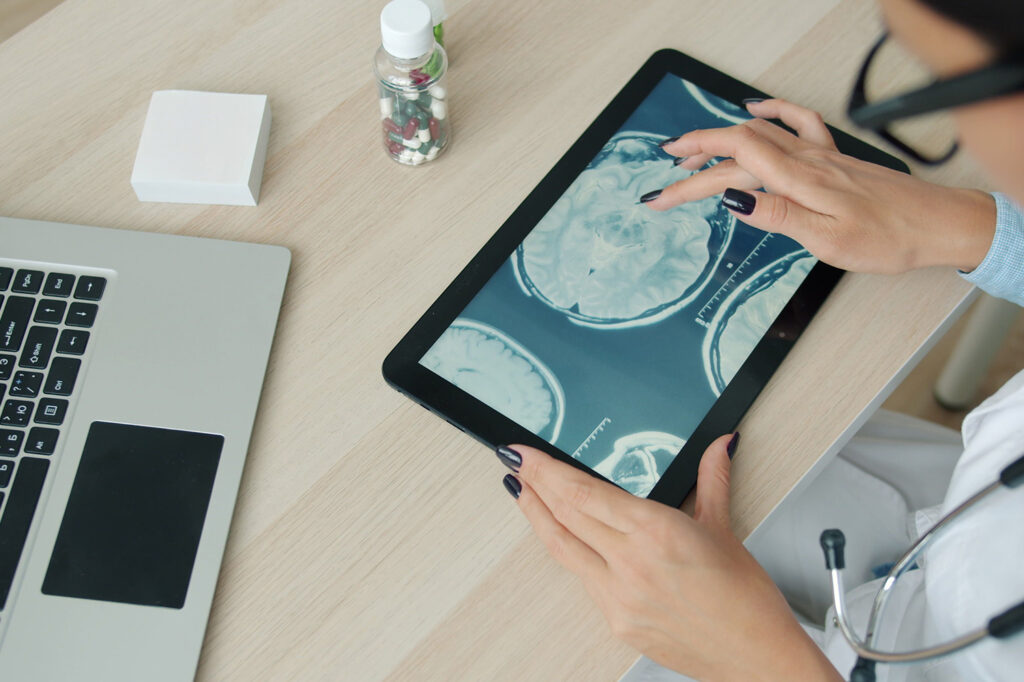
Data protection is equally important. Medical records contain highly sensitive information, and digital systems must protect them against unauthorised access, misuse, and cyberattacks. Patients should understand how their information is collected and used, while healthcare organisations must establish responsible data-management practices.
India’s healthcare sector has opportunities to expand digital consultations, diagnostic services, preventive programmes, and access to medical expertise. However, rural connectivity, affordability, language differences, and uneven infrastructure must be considered when introducing new solutions.
The future of healthcare will depend on integrating scientific innovation with compassion and accountability. Patients need more than sophisticated machines or convenient applications; they need trustworthy information, timely treatment, and professionals who understand their concerns.
Ultimately, the most meaningful healthcare innovations are those that improve patient outcomes, reduce avoidable barriers, and make quality care more accessible to the people who need it.