


The entertainment industry is experiencing a fundamental shift in how stories are created, distributed, and consumed. Traditional cinema, television, and live performances remain important, but streaming platforms, short-form videos, digital creators, and artificial intelligence are reshaping audience expectations. Entertainment is no longer confined to theatres or television schedules. It is available across devices, platforms, and communities, creating new opportunities for artists while intensifying competition for attention.
Streaming has transformed how audiences discover films, series, documentaries, and international content. Viewers increasingly expect convenient access, personalised recommendations, and the freedom to watch according to their schedules. This has encouraged entertainment companies to explore different formats, release strategies, and audience segments. Regional-language productions have also gained opportunities to reach viewers beyond their original markets, demonstrating that compelling stories can cross geographical and linguistic boundaries.
The growth of creator-led entertainment is another significant development. Independent filmmakers, musicians, comedians, educators, and digital personalities can build audiences without relying entirely on traditional production companies. Social platforms allow creators to experiment with formats, interact directly with followers, and develop distinctive personal brands. For emerging talent, this can create new routes to recognition. However, maintaining visibility requires consistency, creativity, and an understanding of changing platform algorithms.
Artificial intelligence is introducing further possibilities. Creative professionals are experimenting with AI-assisted editing, visual effects, animation, translation, captioning, and production planning. These tools may reduce the time required for certain tasks and help smaller teams create more sophisticated content. Yet technological efficiency does not guarantee originality. Human imagination, cultural understanding, emotional depth, and storytelling remain central to memorable entertainment.
AI also raises important questions about copyright, consent, and ownership. The use of performers’ likenesses, voices, and creative works requires responsible safeguards. Audiences and creators need greater clarity about how synthetic content is produced and whether a person’s identity or intellectual property has been used appropriately. Industry standards and legal frameworks will play an important role in addressing these concerns.
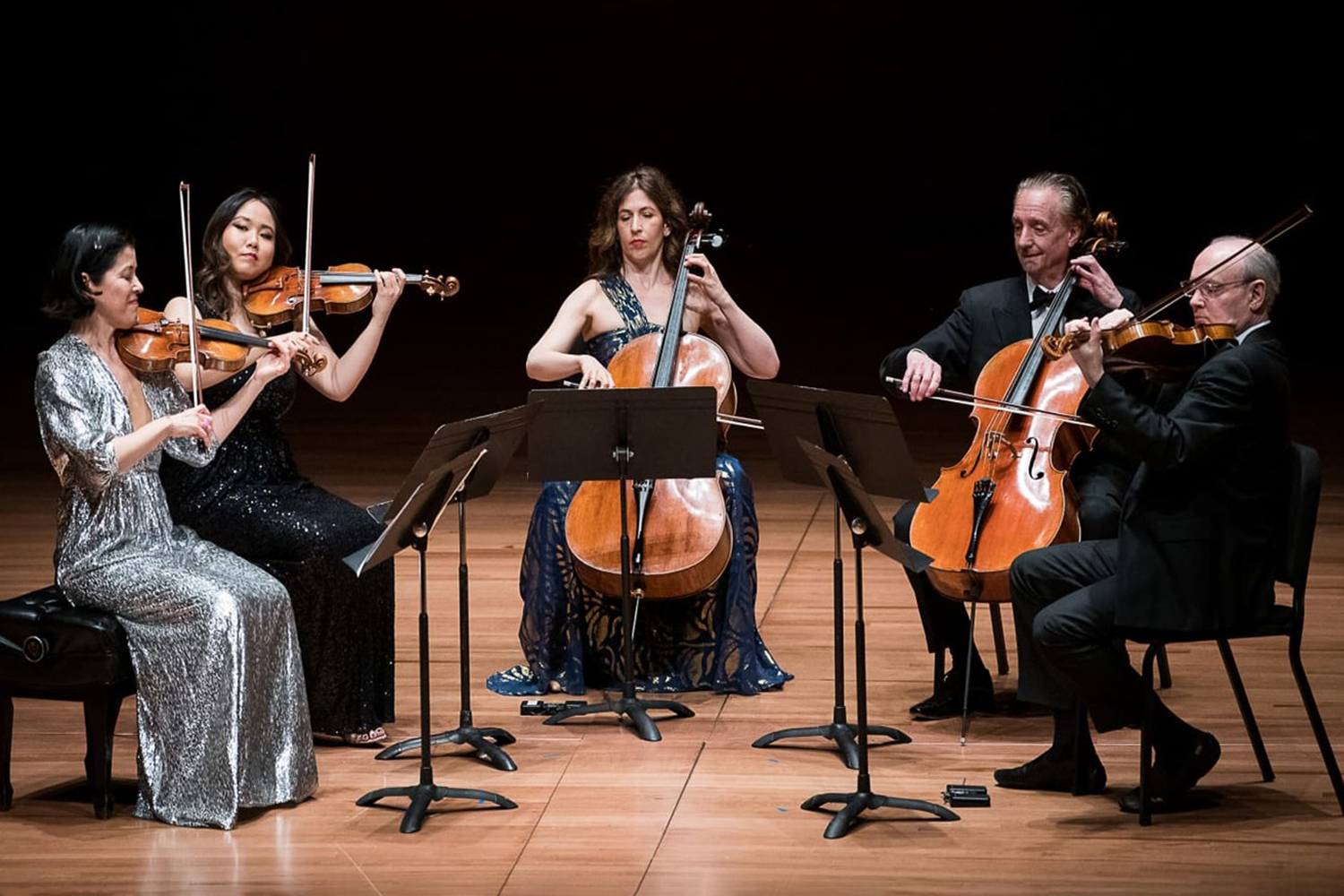
Live entertainment continues to offer something digital platforms cannot fully reproduce: shared experiences. Concerts, theatre productions, festivals, award ceremonies, and cultural events bring people together in physical spaces. Organisers increasingly combine live performances with digital promotion, online ticketing, audience interaction, and recorded content. This creates opportunities to extend an event’s reach before and after the performance itself.
The business side of entertainment is changing as well. Companies must balance production budgets, distribution costs, advertising revenue, subscriptions, sponsorships, and audience retention. Success depends not only on attracting viewers but also on building lasting relationships with them. Original intellectual property, distinctive talent, and strong communities can become valuable long-term assets.
For India’s entertainment sector, regional storytelling, music, cinema, digital creators, gaming, and live events offer significant opportunities. Reaching diverse audiences requires respect for cultural differences and a willingness to develop stories that feel authentic rather than simply following global trends.
The future of entertainment will belong to organisations and creators who understand that technology is a tool, not the story itself. Algorithms may help content reach audiences, and AI may support production, but genuine emotion remains difficult to manufacture.
Ultimately, entertainment succeeds when it makes people feel something meaningful. In an increasingly crowded digital world, originality, trust, and human connection will continue to distinguish memorable experiences from passing trends.