




Education has always played a central role in personal development, economic progress, and social mobility. Traditionally, academic qualifications were often viewed as the primary measure of a person’s readiness for professional life. Today, changing workplace expectations and rapid technological development are encouraging a broader understanding of what education should achieve. Degrees remain important in many fields, but employers and communities increasingly recognise the value of practical skills, critical thinking, communication, adaptability, and lifelong learning.
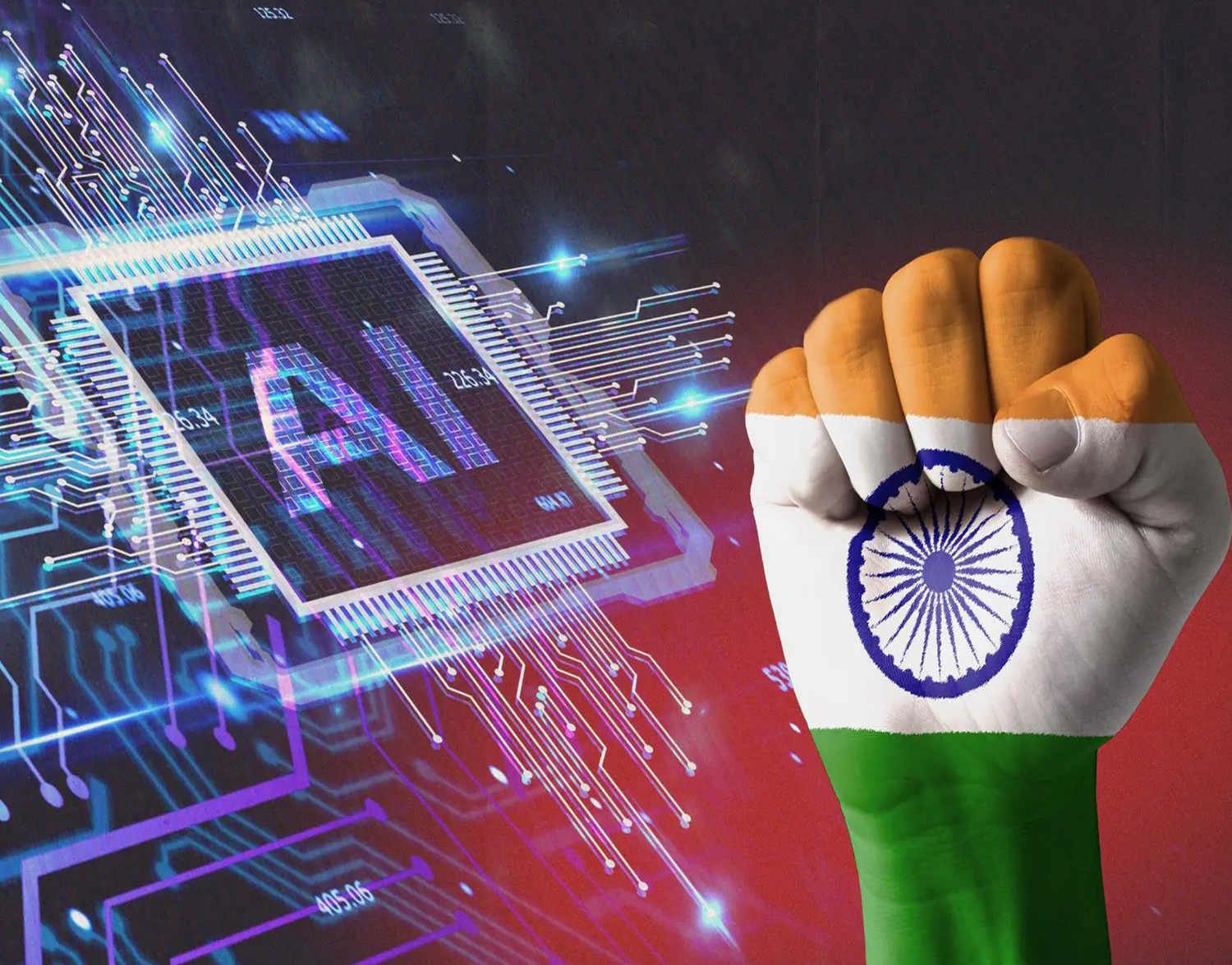
One of the biggest forces behind this shift is the changing nature of work. Artificial intelligence and automation are transforming activities across administration, manufacturing, finance, healthcare, marketing, and other industries. Some routine tasks are becoming automated, while new responsibilities are emerging that require people to interpret information, solve problems, manage systems, and work effectively with others. Education must therefore prepare students not only for existing jobs but also for roles that may evolve significantly during their careers.
Practical learning is becoming increasingly important. Internships, laboratory work, apprenticeships, industry projects, simulations, and supervised professional experience can help students understand how classroom knowledge applies to real situations. These experiences also develop confidence and workplace awareness. For example, a hospitality student benefits from learning service principles in class, but practical experience helps develop communication, teamwork, time management, and customer-handling skills.
Critical thinking is equally valuable. In an environment filled with online information and AI-generated content, students need to evaluate evidence, identify assumptions, compare sources, and distinguish reliable information from misleading claims. Education should encourage learners to ask questions, explain their reasoning, and remain open to revising their views when presented with stronger evidence.
Communication and collaboration also influence professional success. Many workplace challenges require individuals from different backgrounds to coordinate their efforts. Students who learn to present ideas clearly, listen carefully, resolve disagreements, and contribute to shared goals may be better prepared for complex professional environments.
Lifelong learning has become essential because education no longer ends when a person graduates. Professionals may need to learn new software, update technical knowledge, understand emerging regulations, or develop entirely new capabilities. Short courses, professional certifications, online learning, and workplace training provide opportunities to build skills throughout life. The most valuable approach is to treat learning as a continuous process rather than a one-time achievement.
Technology can support this transformation by expanding access to educational resources and allowing learners to study more flexibly. AI-powered tools may provide additional explanations, practice questions, and learning support. However, technology should complement effective teaching rather than replace it. Human guidance, structured curricula, assessment, and meaningful feedback remain vital.

Education systems must also address inequalities in access and opportunity. Students may face barriers involving affordability, location, language, disability, or limited digital infrastructure. Ensuring that quality education reaches diverse communities requires investment, inclusive teaching practices, relevant learning materials, and appropriate student support.
For India, aligning education with evolving workforce needs is particularly important. Strong collaboration between educational institutions, employers, professional bodies, and communities can help make programmes more relevant while preserving academic depth. The objective should not be to train students narrowly for a single job, but to equip them with transferable skills and the capacity to keep learning.
Ultimately, the true value of education extends beyond examination results or certificates. It lies in developing informed citizens, capable professionals, independent thinkers, and responsible leaders.
In a world defined by change, education succeeds when it gives people both the knowledge to understand the present and the confidence to shape the future.