


Global supply chains are the backbone of the modern economy, connecting manufacturers, suppliers, transportation networks, retailers, and consumers across countries and continents. From food and electronics to medicines and industrial products, almost every sector depends on efficient supply chains. However, recent years have shown that global supply networks can be highly vulnerable to unexpected disruptions. These challenges have highlighted the need for stronger, more flexible, and more resilient supply chain systems.
A global supply chain disruption occurs when the normal flow of goods, materials, or services is interrupted. These disruptions can happen due to various factors, including natural disasters, geopolitical conflicts, pandemics, transportation challenges, economic uncertainty, and shortages of essential resources. When one part of the supply chain is affected, the impact can spread across industries and regions.
One of the biggest causes of supply chain disruptions is dependence on global networks. Many companies source raw materials and components from different countries to reduce costs and improve efficiency. While this approach provides advantages, it also creates risks. A problem in one region, such as factory closures or transportation delays, can affect production and availability worldwide.
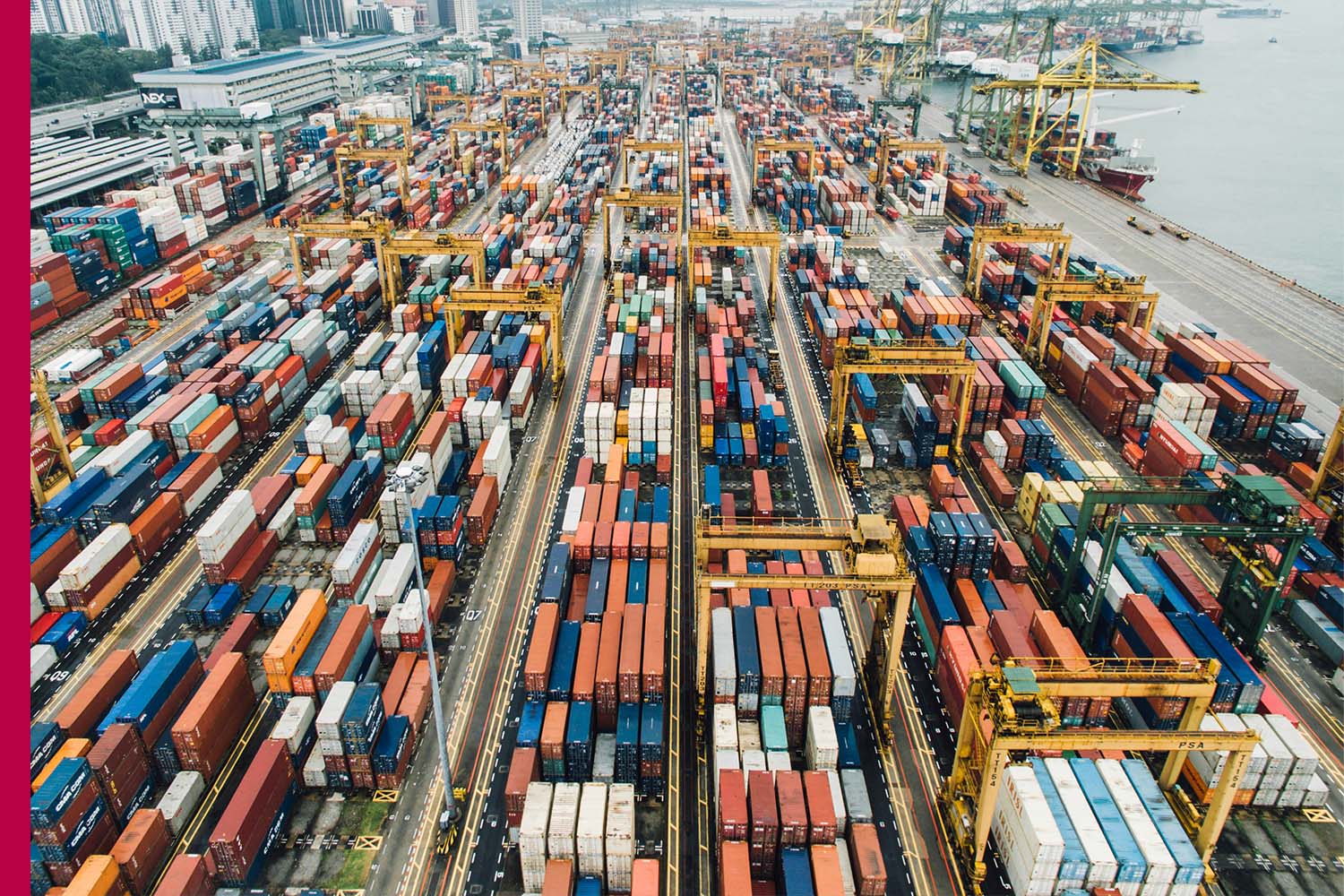
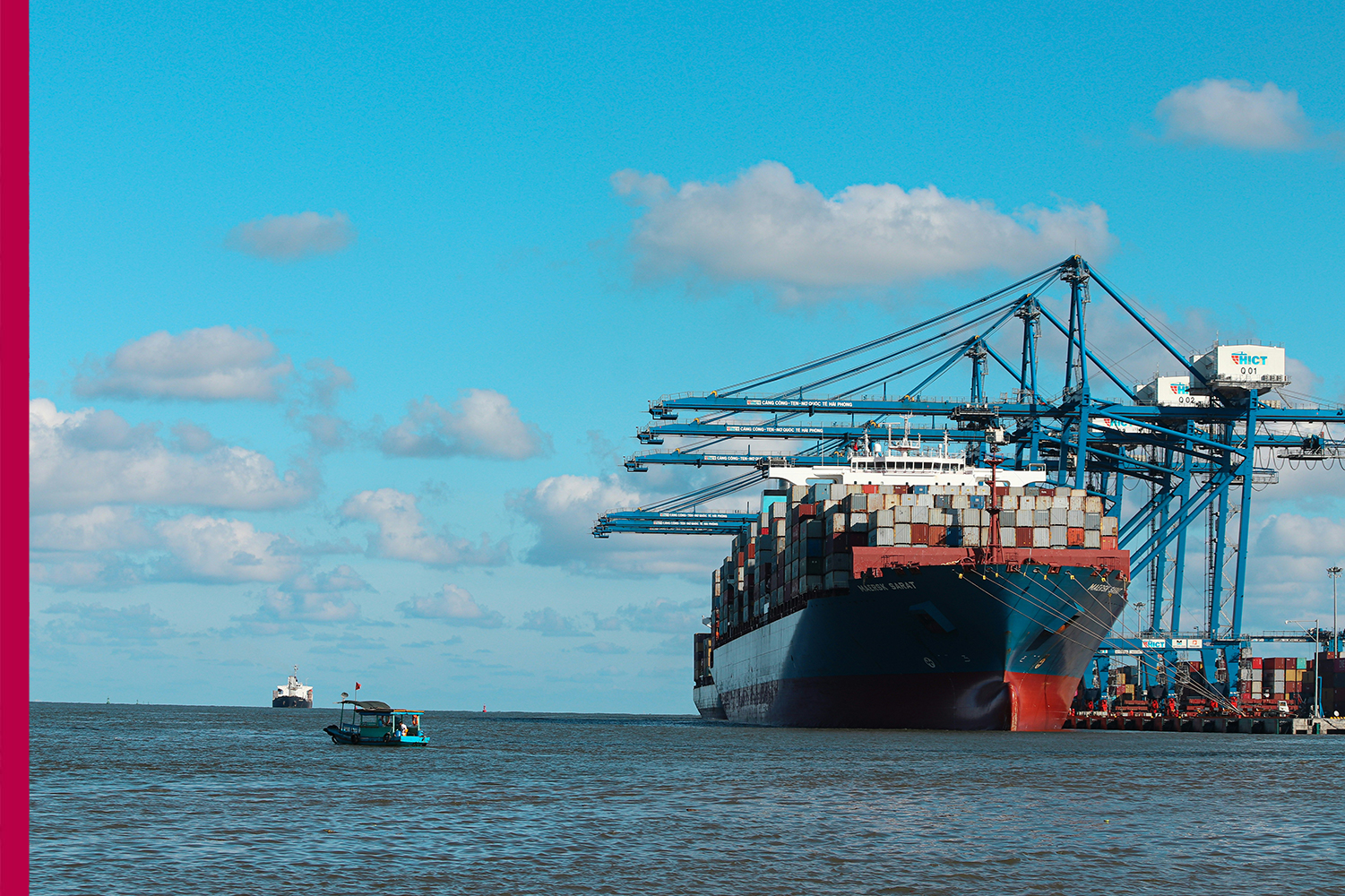
Transportation and logistics challenges are major contributors to supply chain problems. Global trade depends on shipping routes, ports, airports, and road networks. Delays caused by congestion, fuel price changes, labor shortages, or infrastructure issues can slow down deliveries. Companies often face increased costs and longer waiting times when transportation systems experience pressure.
The shortage of raw materials is another important challenge. Industries such as manufacturing, technology, automotive, and healthcare rely on specific materials and components. Limited availability of critical resources can reduce production capacity and increase prices. Businesses are now focusing on supplier diversification and alternative sourcing strategies to reduce dependency on single suppliers.
Geopolitical factors also influence global supply chains. Trade restrictions, international conflicts, policy changes, and economic tensions can affect the movement of goods and resources. Companies operating internationally must carefully monitor global developments and develop strategies to manage uncertainty.
The rise of digital technology has changed how businesses respond to supply chain disruptions. Artificial intelligence, data analytics, and automation are helping companies predict risks and make faster decisions. Real-time tracking systems allow businesses to monitor shipments, identify delays, and improve coordination across supply networks. Digital transformation is becoming a key part of building resilient supply chains.
One major lesson from recent disruptions is the importance of supply chain flexibility. Traditional supply chain models often focused mainly on cost reduction and efficiency. However, businesses now recognize the need to balance efficiency with resilience. Creating backup suppliers, maintaining safety stock, and developing alternative transportation routes can help companies respond better to unexpected events.
Regionalization is becoming another important trend in supply chain management. Many companies are moving toward shorter and more localized supply networks to reduce risks. Instead of depending entirely on distant suppliers, businesses are exploring regional production and sourcing options. This approach can improve reliability and reduce exposure to global disruptions.
Sustainability is also influencing supply chain strategies. Companies are focusing on environmentally responsible logistics, energy-efficient transportation, and sustainable sourcing. Green supply chain practices not only reduce environmental impact but can also improve long-term stability by encouraging efficient resource use.
Small and medium-sized businesses often face greater challenges during supply chain disruptions. Limited financial resources and fewer supplier options can make it difficult for smaller companies to adapt. Building strong partnerships, using digital tools, and improving planning processes can help smaller businesses manage risks more effectively.
The healthcare and pharmaceutical industries have experienced significant supply chain challenges due to the importance of timely delivery and quality control. Shortages of medical supplies, raw materials, and equipment can directly impact public health. These industries are increasingly investing in stronger manufacturing capabilities, improved inventory management, and secure distribution networks.
Consumer expectations have also changed the way supply chains operate. Customers now expect faster delivery, product availability, and transparency. Companies must manage these expectations while dealing with complex global conditions. Advanced logistics systems and improved communication are helping businesses provide better customer experiences.
The future of global supply chains will depend on adaptability, technology, and collaboration. Businesses will continue investing in artificial intelligence, automation, predictive analytics, and smart logistics solutions. Stronger partnerships between suppliers, manufacturers, governments, and technology providers will be essential for creating stable supply networks.
In conclusion, global supply chain disruptions have revealed the importance of resilience in an interconnected world. While challenges such as transportation issues, material shortages, and geopolitical uncertainty will continue, businesses can overcome them through innovation, diversification, and strategic planning. The future supply chain will not only focus on speed and cost efficiency but also on flexibility, sustainability, and the ability to adapt to change.