







Mining is one of the most important industries supporting global development by providing essential resources such as minerals, metals, and raw materials required for construction, manufacturing, energy, and technology. However, mining activities involve complex operations and potential risks, making safety standards a critical part of responsible mining practices. Strong mining safety standards help protect workers, reduce accidents, improve operational efficiency, and support sustainable industry growth.
Mining safety standards refer to the rules, procedures, technologies, and practices designed to prevent workplace injuries, protect workers’ health, and maintain safe mining environments. These standards cover various aspects of mining operations, including equipment usage, environmental conditions, emergency preparedness, worker training, and risk management.
One of the primary goals of mining safety standards is accident prevention. Mining environments can involve hazards such as rock falls, equipment failures, explosions, harmful gases, and unstable ground conditions. Safety regulations require mining companies to identify potential risks and implement preventive measures. Regular inspections, proper maintenance, and safety monitoring systems help reduce the chances of accidents.
Worker training is one of the most important components of mining safety. Mining operations require specialized skills and knowledge to handle heavy machinery, underground environments, and hazardous materials. Safety training programs educate workers about equipment operation, emergency procedures, hazard identification, and workplace responsibilities. Continuous training ensures that employees remain prepared for changing conditions.
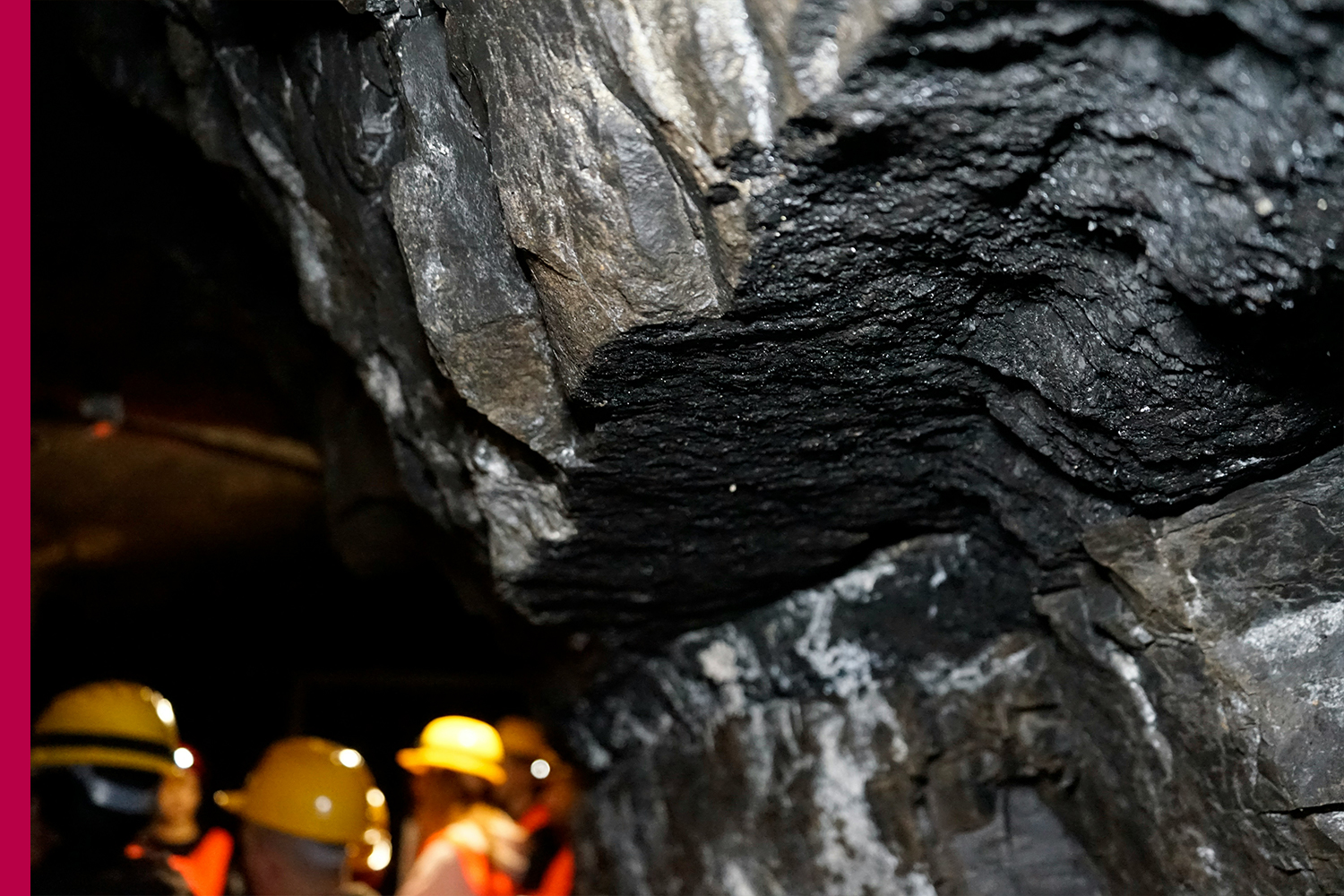
Personal protective equipment (PPE) plays a major role in protecting mining workers. Helmets, safety glasses, protective clothing, gloves, hearing protection, and respiratory equipment help reduce exposure to workplace hazards. Modern mining companies focus on providing high-quality protective gear and ensuring that workers use it correctly.
Technology has transformed mining safety practices by introducing advanced monitoring and automation systems. Sensors and digital tools can detect dangerous conditions such as gas leaks, temperature changes, or structural instability. Real-time monitoring allows companies to respond quickly to potential threats. Automation and remote-controlled equipment also reduce human exposure to dangerous environments.
Ventilation is a critical safety requirement, especially in underground mining. Proper airflow systems help control dust, remove harmful gases, and maintain a safe working environment. Poor ventilation can lead to serious health risks, including respiratory problems and exposure to toxic substances. Safety standards require regular checks and improvements to ventilation systems.
Dust control is another important aspect of mining safety. Mining activities can generate large amounts of dust, which may affect workers’ health if not properly managed. Companies use methods such as water spraying, ventilation improvements, and protective equipment to reduce dust exposure. Managing dust levels helps prevent long-term health issues among workers.
Emergency preparedness is essential in mining operations. Safety standards require companies to develop detailed emergency response plans for situations such as fires, equipment failures, collapses, or natural events. Regular emergency drills help workers understand how to respond quickly and safely during critical situations.
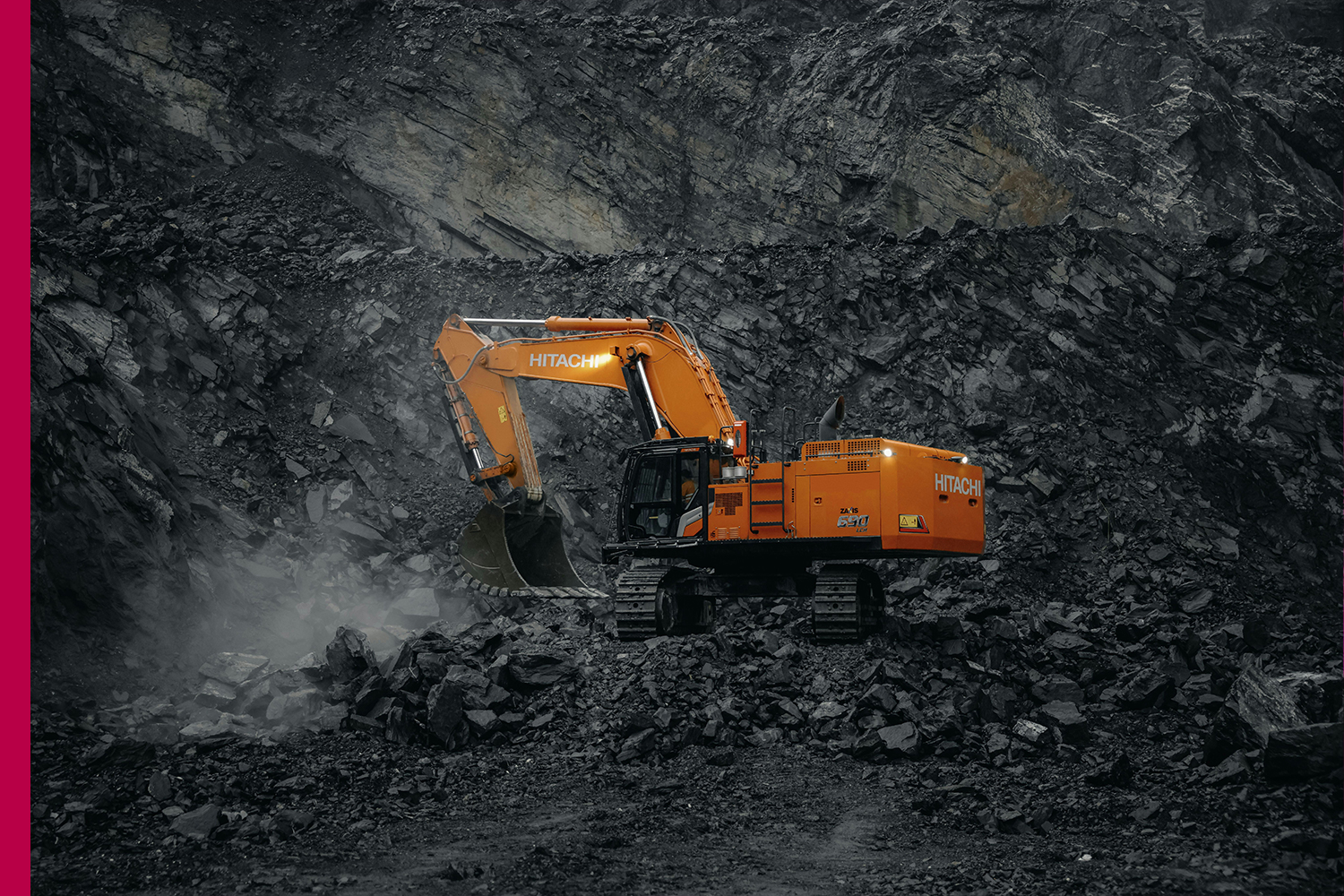
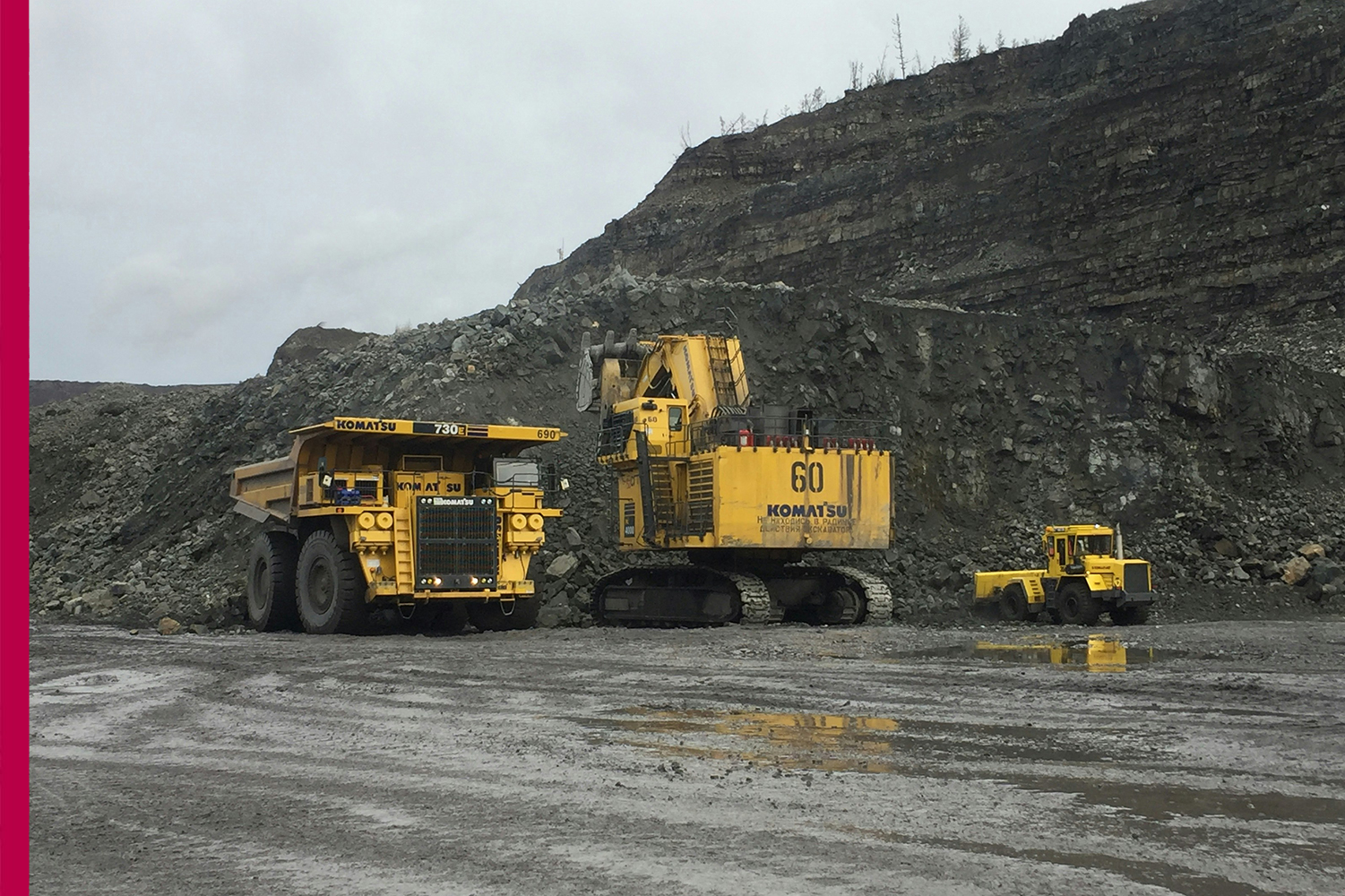
Equipment safety is also a major focus area. Mining machinery is powerful and complex, requiring proper operation and maintenance. Regular inspections, preventive maintenance schedules, and safety checks ensure that equipment functions correctly. Advanced technologies such as automated safety systems and collision prevention tools are improving equipment safety.
Environmental safety is closely connected to mining operations. Responsible mining practices aim to reduce environmental damage and protect surrounding communities. Safety standards often include guidelines for waste management, water protection, land restoration, and pollution control. Sustainable mining ensures that resources are extracted responsibly while minimizing environmental impact.
Health monitoring programs are increasingly important in modern mining. Workers may face exposure to noise, chemicals, vibrations, and physical stress. Regular health assessments help identify potential issues early and support worker well-being. Companies are focusing not only on preventing accidents but also on improving overall workplace health.
Strong leadership and safety culture are essential for successful implementation of mining safety standards. Safety cannot depend only on rules and regulations; it requires commitment from management and employees at every level. Companies that prioritize safety create environments where workers feel responsible for protecting themselves and others.
Despite improvements, mining safety continues to face challenges. Remote locations, complex geological conditions, and increasing demand for resources require continuous innovation. Climate-related factors and changing technologies also create new safety considerations. The industry must continue adapting to maintain high safety standards.
In conclusion, mining safety standards are essential for protecting workers and ensuring responsible resource extraction. Through training, technology, risk management, and strong safety practices, mining companies can create safer workplaces and improve operational performance. The future of mining depends on balancing productivity with the highest standards of worker protection, environmental responsibility, and sustainable development.