








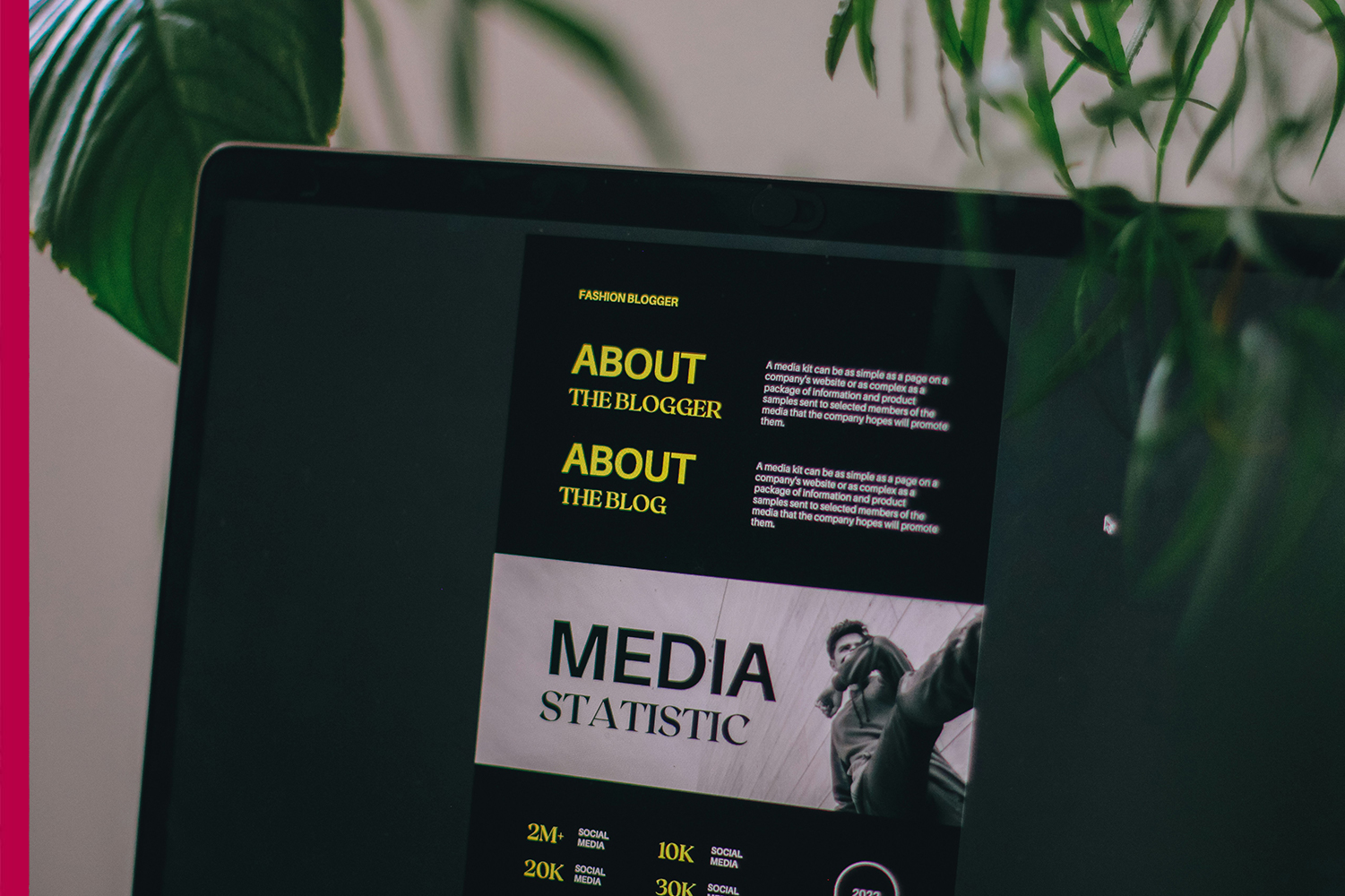
Digital media consumption has transformed the way people access entertainment, news, education, and communication. With the rapid growth of smartphones, high-speed internet, social media platforms, and streaming services, audiences are moving away from traditional media formats and embracing digital-first experiences. The modern consumer expects content to be fast, personalized, interactive, and available anytime and anywhere. These changes are reshaping the media industry and influencing how businesses, creators, and organizations connect with audiences.
One of the biggest trends in digital media consumption is the shift toward mobile devices. Smartphones have become the primary tool for accessing online content, allowing users to watch videos, read articles, listen to music, and interact on social platforms from almost any location. Mobile-friendly content has become essential as audiences prefer quick and convenient digital experiences that fit into their daily routines.
Video content continues to dominate the digital media landscape. Platforms offering short videos, live streaming, and on-demand entertainment have gained massive popularity among users of all age groups. Short-form video content has become especially influential because it delivers information and entertainment in a quick, engaging format. Brands, creators, and media companies are increasingly focusing on video strategies to capture audience attention in a competitive digital environment.
Streaming services have significantly changed entertainment consumption habits. Consumers now prefer watching movies, shows, and documentaries according to their own schedules rather than following traditional television programming. Subscription-based platforms and digital entertainment services provide personalized recommendations based on viewing behavior, creating a more customized user experience.
Social media has become a central part of digital media consumption. People use social platforms not only for communication but also for news, entertainment, shopping, learning, and discovering trends. Influencers, independent creators, and online communities play an important role in shaping opinions and consumer behavior. User-generated content has become a powerful force, allowing individuals to participate actively in media creation rather than simply consuming content.
Personalization is another major trend influencing digital media. Modern platforms use Artificial Intelligence (AI) and data analytics to understand user preferences and recommend relevant content. Personalized feeds, targeted advertisements, and customized suggestions help users discover content that matches their interests. This approach improves engagement and encourages longer interactions with digital platforms.
Podcasts and audio content have also experienced significant growth. Many users enjoy listening to podcasts, audiobooks, and digital radio while working, traveling, or exercising. The convenience of audio content has created new opportunities for creators and businesses to connect with audiences through storytelling, education, and entertainment.
The rise of digital news consumption has changed how people stay informed. Online news platforms, social media updates, and digital publications provide instant access to information. However, this shift has also increased concerns about misinformation, fake news, and content credibility. As digital media continues to expand, reliable journalism and responsible content creation are becoming increasingly important.
Interactive and immersive media experiences are emerging as future trends. Technologies such as Virtual Reality (VR), Augmented Reality (AR), and interactive storytelling are creating new ways for audiences to engage with content. These innovations are expected to influence gaming, education, entertainment, and digital communication in the coming years.
The growth of digital media has also changed advertising strategies. Traditional advertising methods are being replaced by targeted digital campaigns that use audience insights and real-time analytics. Businesses are investing more in social media marketing, influencer collaborations, video advertising, and personalized content to reach consumers effectively.
Despite the benefits of digital media, challenges such as screen addiction, privacy concerns, and information overload remain important issues. Consumers and organizations must focus on responsible digital habits and ethical content practices to maintain a healthy media environment.
In conclusion, digital media consumption trends reflect a major shift in how people interact with information and entertainment. Mobile access, video content, personalization, social media, and emerging technologies continue to shape the future of media. As digital platforms evolve, understanding audience behavior will remain essential for creators, businesses, and media organizations aiming to succeed in the modern digital world.