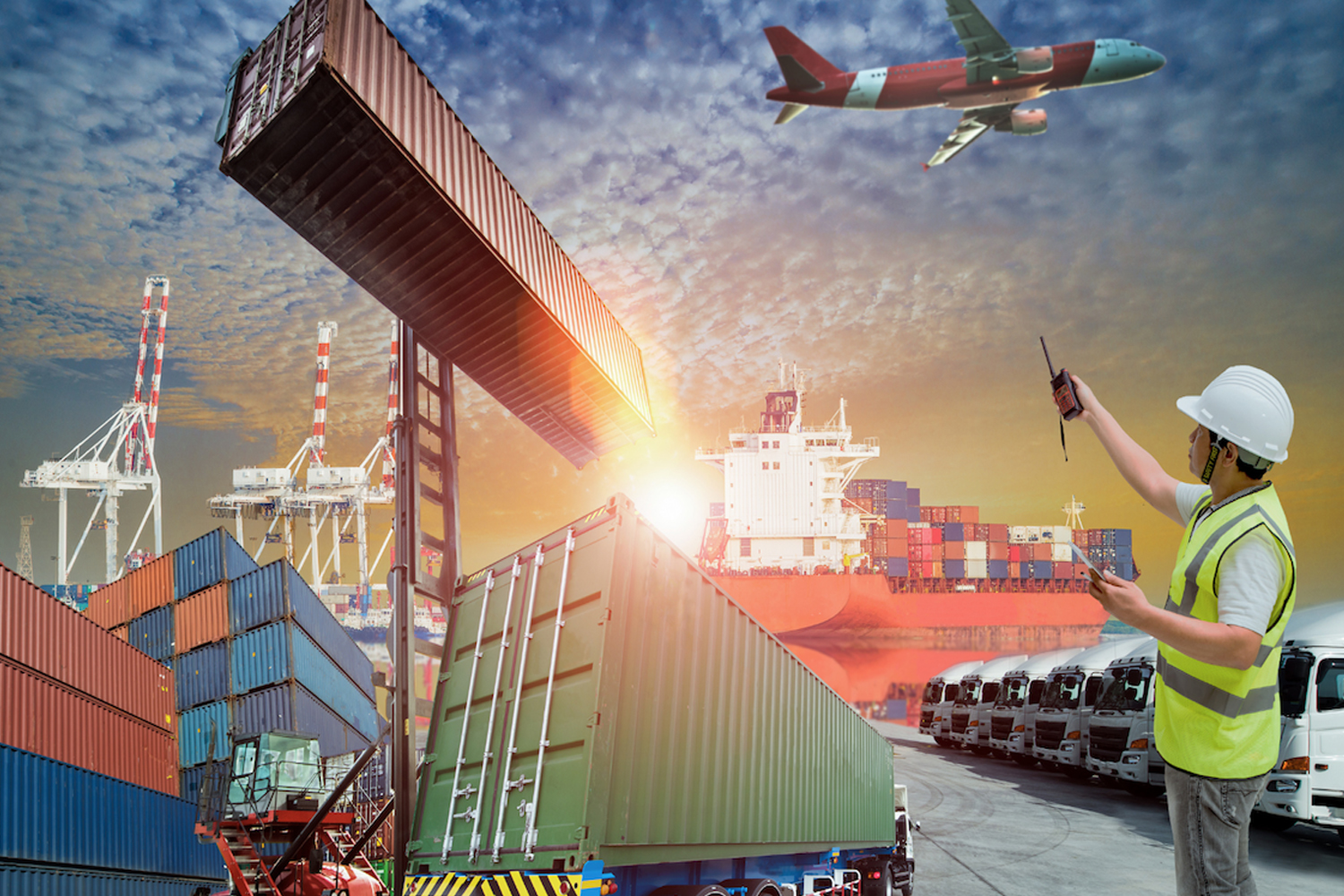



Supply chains are the foundation of modern economies, connecting manufacturers, suppliers, distributors, retailers, and consumers across the world. However, recent years have highlighted the vulnerability of global supply networks due to unexpected disruptions such as pandemics, geopolitical conflicts, natural disasters, transportation challenges, and economic uncertainty. As businesses become more interconnected, managing supply chain risks has become essential for maintaining stability, efficiency, and customer satisfaction.
A supply chain disruption occurs when normal operations are interrupted, affecting the production, transportation, or delivery of goods and services. These disruptions can lead to delays, increased costs, shortages of products, and reduced business performance. Companies across industries, including manufacturing, healthcare, technology, agriculture, and retail, have experienced the impact of unstable supply networks.
One of the major causes of supply chain disruptions is global dependency. Many businesses rely heavily on specific regions or suppliers for raw materials and components. When a disruption occurs in one location, the effects can spread throughout the entire supply chain. For example, factory closures, transportation restrictions, or shortages of critical materials can delay production and create challenges for businesses worldwide.
Natural disasters and climate-related events are also increasing supply chain risks. Floods, storms, droughts, and extreme weather conditions can damage infrastructure, disrupt transportation routes, and affect the availability of essential resources. Climate change has made it necessary for businesses to develop supply chains that can adapt to environmental challenges.
Geopolitical issues, trade restrictions, and changing regulations also influence global supply chains. Conflicts between countries, tariff changes, and political instability can affect international trade flows. Businesses must constantly monitor global developments and prepare strategies to reduce potential disruptions.
Technology is playing a major role in creating more resilient supply chains. Digital tools such as Artificial Intelligence (AI), Internet of Things (IoT), and data analytics help companies monitor operations, predict risks, and make faster decisions. Real-time tracking systems allow businesses to identify delays, manage inventory, and improve visibility across the supply chain.
One important solution to supply chain disruptions is diversification. Companies are reducing dependence on a single supplier or location by developing multiple sourcing options. This approach, often called supplier diversification, helps businesses maintain operations even when one supplier faces challenges. Building relationships with regional suppliers can also improve flexibility and reduce transportation risks.
Inventory management strategies are another important solution. Traditional approaches focused on minimizing inventory costs, but recent disruptions have shown the importance of maintaining strategic reserves. Businesses are adopting balanced inventory practices that ensure product availability while avoiding unnecessary storage expenses.
Nearshoring and regionalization are becoming popular strategies for improving supply chain resilience. Instead of depending entirely on distant suppliers, companies are moving some production closer to their main markets. This reduces transportation challenges, shortens delivery times, and improves control over manufacturing processes.
Collaboration between supply chain partners is also essential. Manufacturers, suppliers, logistics providers, and retailers must share information and work together to respond effectively to disruptions. Strong communication and transparent relationships enable faster problem-solving and better decision-making.
Sustainability is increasingly becoming part of supply chain planning. Businesses are adopting environmentally responsible practices such as green transportation, renewable energy usage, and sustainable sourcing. Sustainable supply chains not only reduce environmental impact but also improve long-term resilience.
Workforce development and skilled employees are equally important for managing modern supply chains. Professionals with knowledge of technology, logistics, risk management, and data analysis are needed to handle complex supply chain challenges.
In conclusion, supply chain disruptions are unavoidable in an increasingly interconnected world, but businesses can reduce their impact through strategic planning, technology adoption, diversification, and collaboration. Building resilient supply chains helps organizations remain competitive, maintain customer trust, and adapt to future uncertainties. The future of supply chain management will depend on flexibility, innovation, and the ability to respond quickly to changing global conditions.