






The mining and metals industry plays a vital role in supporting global economic development and industrial progress. From construction and manufacturing to energy, transportation, and technology, metals are essential resources that power modern civilization. The strong connection between mining and metals creates a foundation for infrastructure development, innovation, and economic growth. As industries continue to expand, the demand for minerals and metals is increasing, making this sector a key contributor to the global economy.
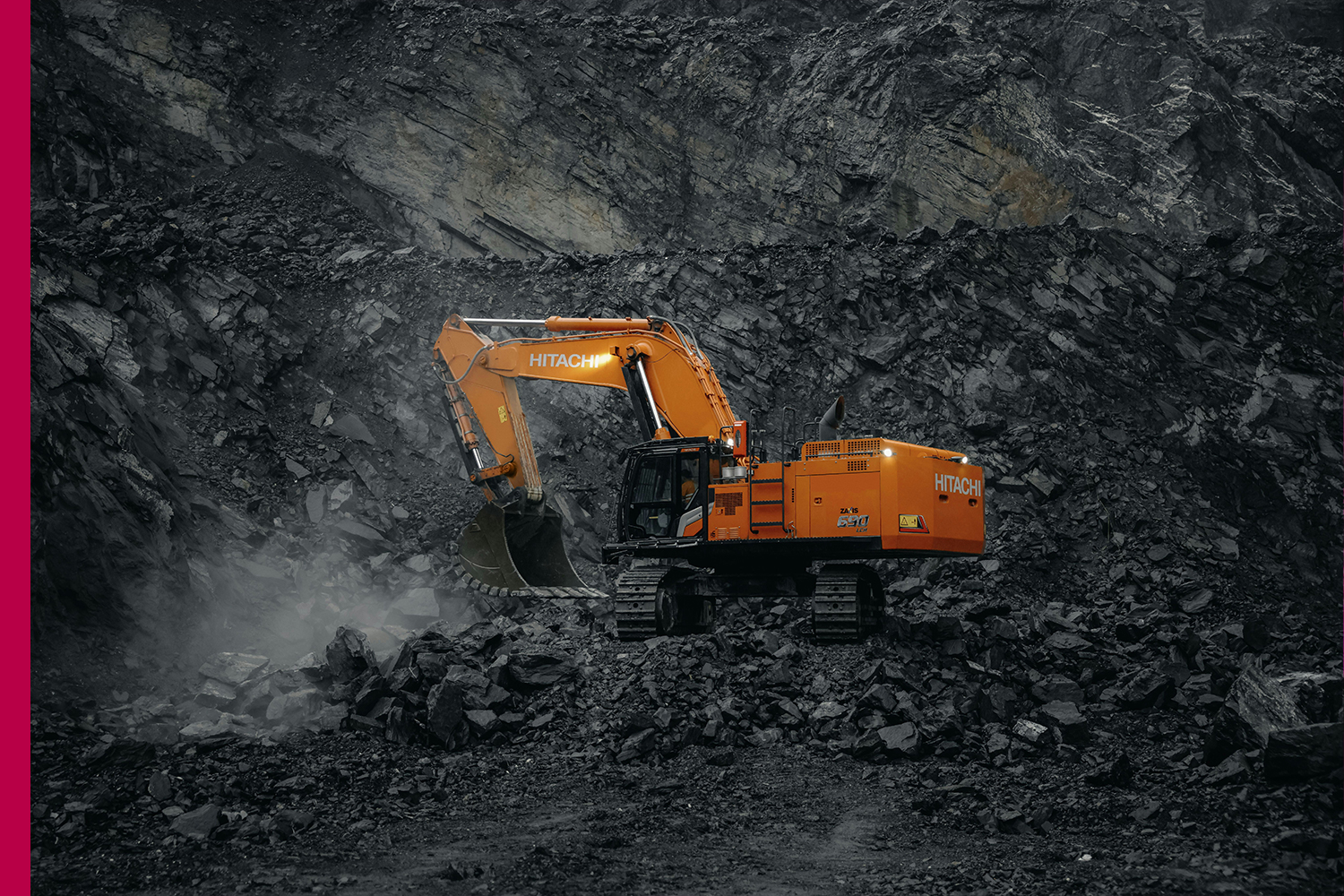
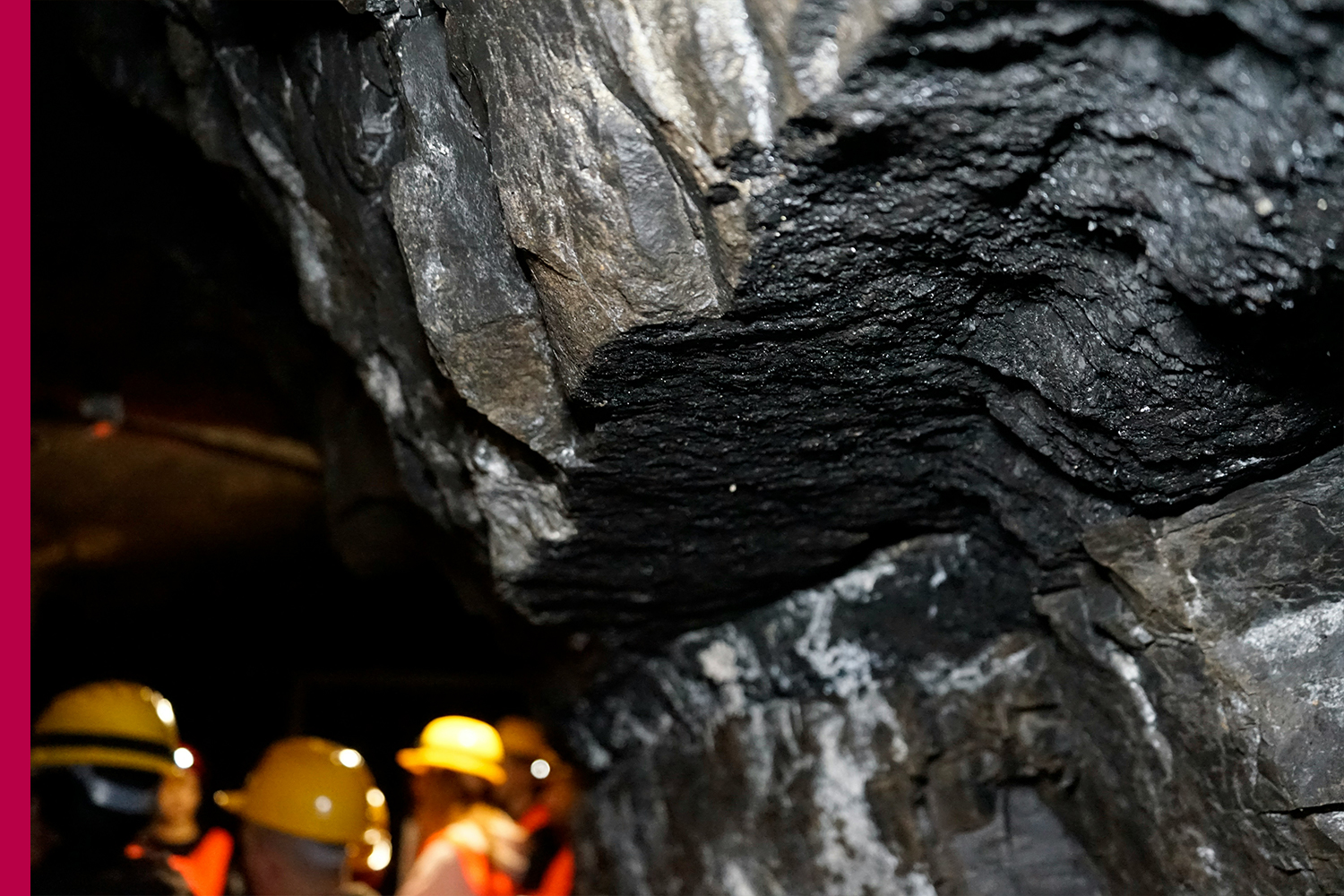
Mining serves as the primary source of raw materials required for metal production. Minerals extracted from the earth are processed and transformed into metals that are used across various industries. Iron ore, for example, is essential for steel production, while metals such as copper, aluminum, lithium, and nickel support sectors including electronics, renewable energy, automobiles, and telecommunications. This link between mining and metals creates a complete supply chain that connects natural resources with industrial applications.
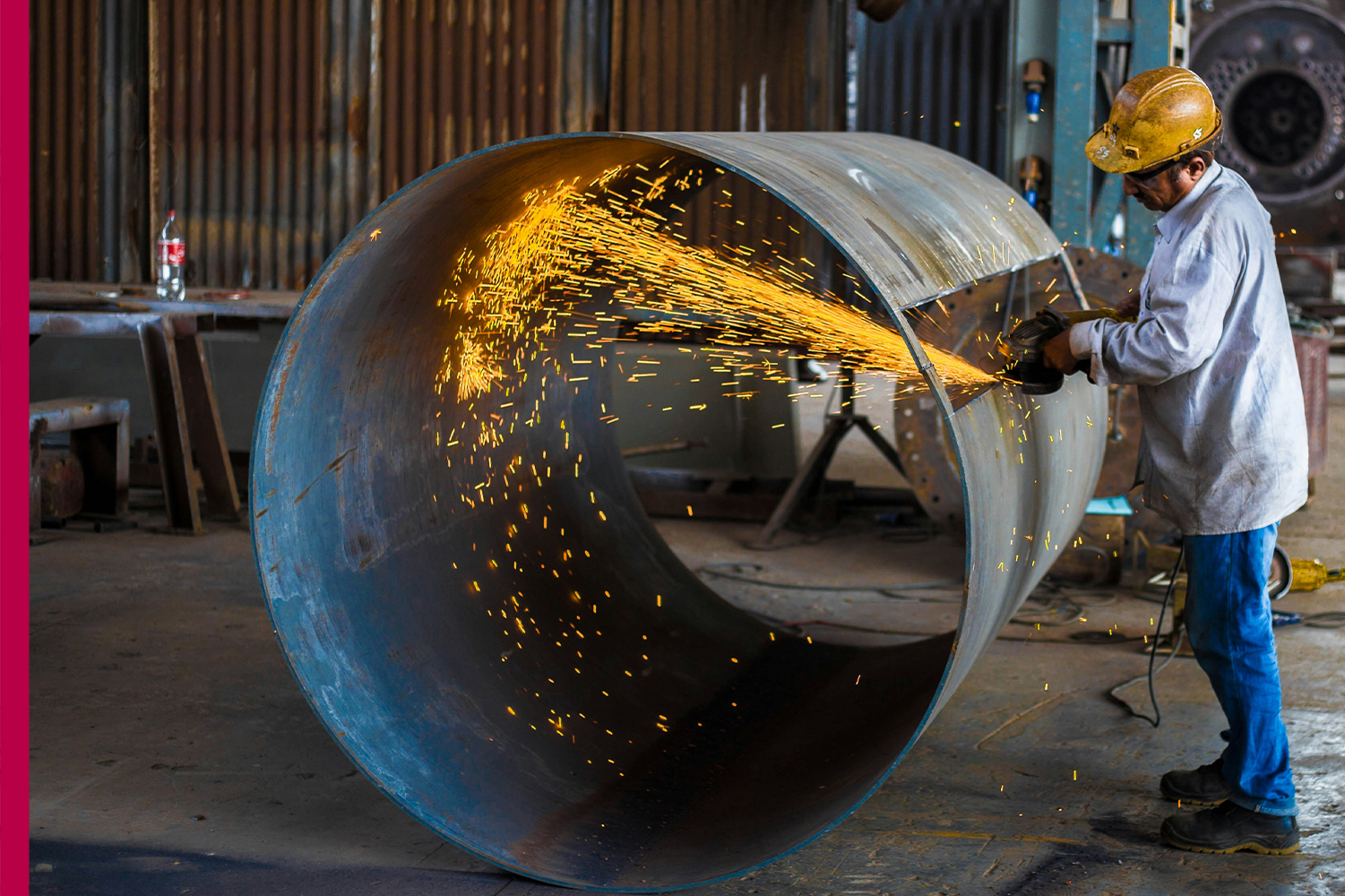
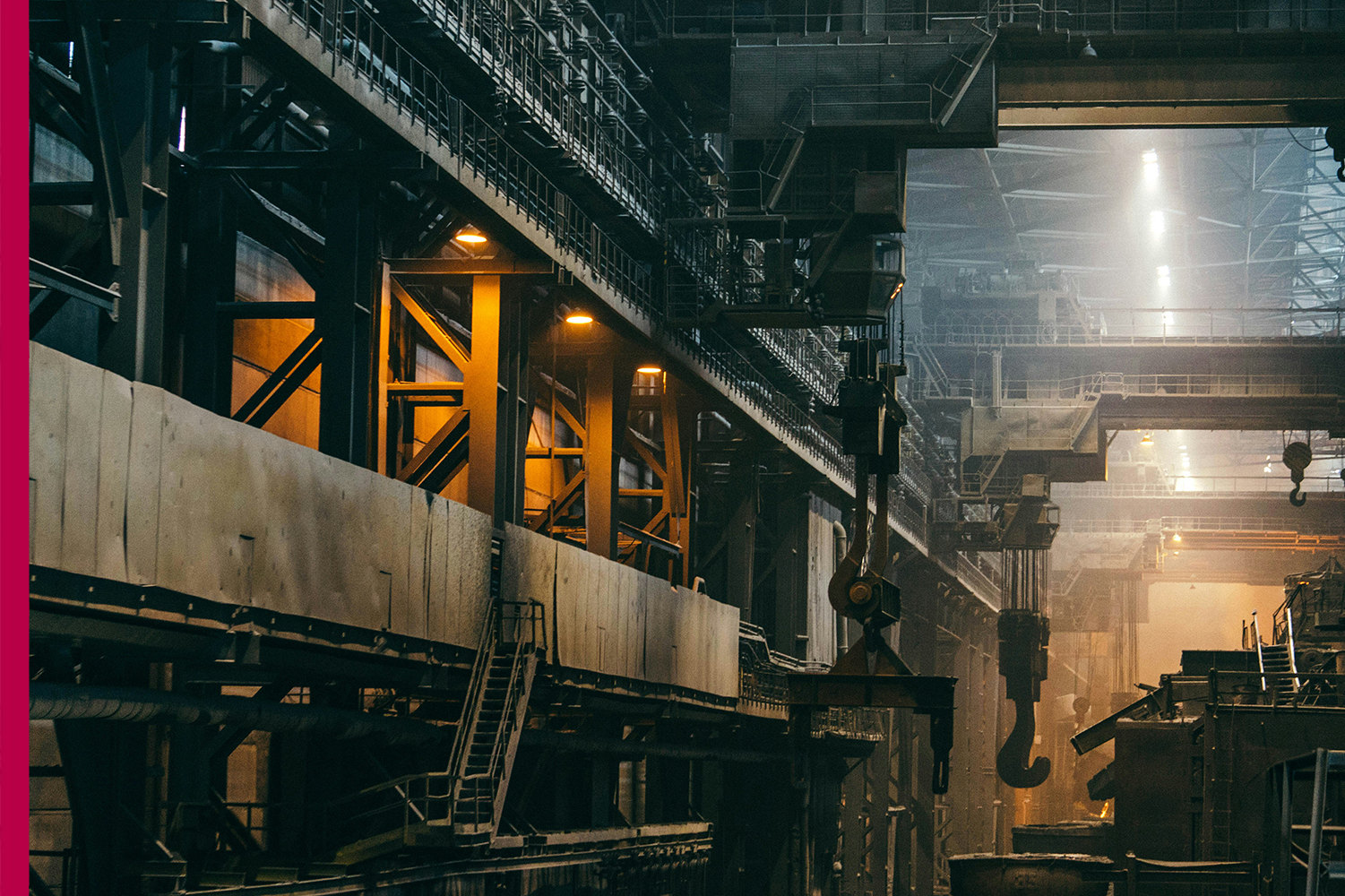
The construction industry is one of the largest consumers of metals. Steel, aluminum, and other metal products are widely used in buildings, bridges, roads, and infrastructure projects. As urbanization continues to grow globally, the demand for construction materials is increasing. Mining and metals companies play a critical role in providing the resources needed for developing smart cities, transportation networks, and modern infrastructure systems.
The energy transition is creating new opportunities for the mining and metals sector. Renewable energy technologies require significant quantities of specific minerals and metals. Solar panels, wind turbines, electric vehicles, and energy storage systems depend on materials such as copper, lithium, cobalt, and rare earth elements. As countries move toward cleaner energy solutions, the relationship between mining and metals becomes increasingly important in supporting sustainable development.
Technology and digital innovation are also transforming the mining and metals industry. Modern mining operations are adopting automation, Artificial Intelligence (AI), robotics, and advanced data analytics to improve efficiency and safety. Smart mining technologies allow companies to monitor operations, optimize resource usage, and reduce environmental impact. Automated equipment and remote monitoring systems help improve productivity while creating safer working conditions for employees.
Sustainability has become a major focus within the mining and metals sector. Traditional mining activities have raised concerns related to environmental impact, resource depletion, and community welfare. In response, companies are adopting responsible mining practices that focus on reducing emissions, improving waste management, conserving water, and protecting biodiversity. Sustainable extraction methods and recycling initiatives are becoming increasingly important for meeting future resource needs.
The circular economy is strengthening the connection between mining and metals by encouraging recycling and resource efficiency. Instead of relying only on new extraction, industries are increasingly recovering metals from used products such as electronic devices, batteries, and machinery. Recycling reduces pressure on natural resources and helps create a more sustainable materials ecosystem.
The circular economy is strengthening the connection between mining and metals by encouraging recycling and resource efficiency. Instead of relying only on new extraction, industries are increasingly recovering metals from used products such as electronic devices, batteries, and machinery. Recycling reduces pressure on natural resources and helps create a more sustainable materials ecosystem.
Global trade also plays a significant role in the mining and metals industry. Countries with abundant mineral resources contribute to international supply chains by exporting raw materials and processed metals. However, geopolitical factors, trade policies, and supply chain disruptions can influence availability and pricing. Building resilient and diversified supply chains has become a priority for industries that depend on critical minerals.
Despite its importance, the mining and metals sector faces several challenges. Fluctuating commodity prices, environmental regulations, operational risks, and increasing sustainability expectations require companies to continuously adapt. Investment in technology, innovation, and responsible practices is essential for long-term success.
In conclusion, the link between mining and metals is fundamental to modern industrial growth. This relationship supports infrastructure development, technological advancement, energy transformation, and economic progress. As global demand for essential materials continues to rise, the future of the industry will depend on balancing resource production with environmental responsibility and sustainable innovation. The mining and metals sector will remain a crucial pillar in building a more advanced and sustainable world.