








In recent years, sustainable packaging design has become a major focus in the consumer goods industry. As environmental concerns continue to grow, businesses and consumers alike are seeking ways to reduce waste, conserve resources, and minimize the environmental impact of products. Packaging, once viewed primarily as a tool for protection and branding, is now being reimagined as an essential component of sustainability strategies. The rise of sustainable packaging design reflects a broader shift toward responsible consumption and environmentally conscious business practices.
Traditional packaging materials, particularly single-use plastics, have contributed significantly to pollution and landfill waste. Millions of tons of plastic packaging are discarded every year, with much of it ending up in oceans and natural ecosystems. Growing awareness of these environmental challenges has encouraged companies to explore eco-friendly alternatives that reduce waste and promote recycling. As a result, sustainable packaging has become a competitive advantage as well as a corporate responsibility.
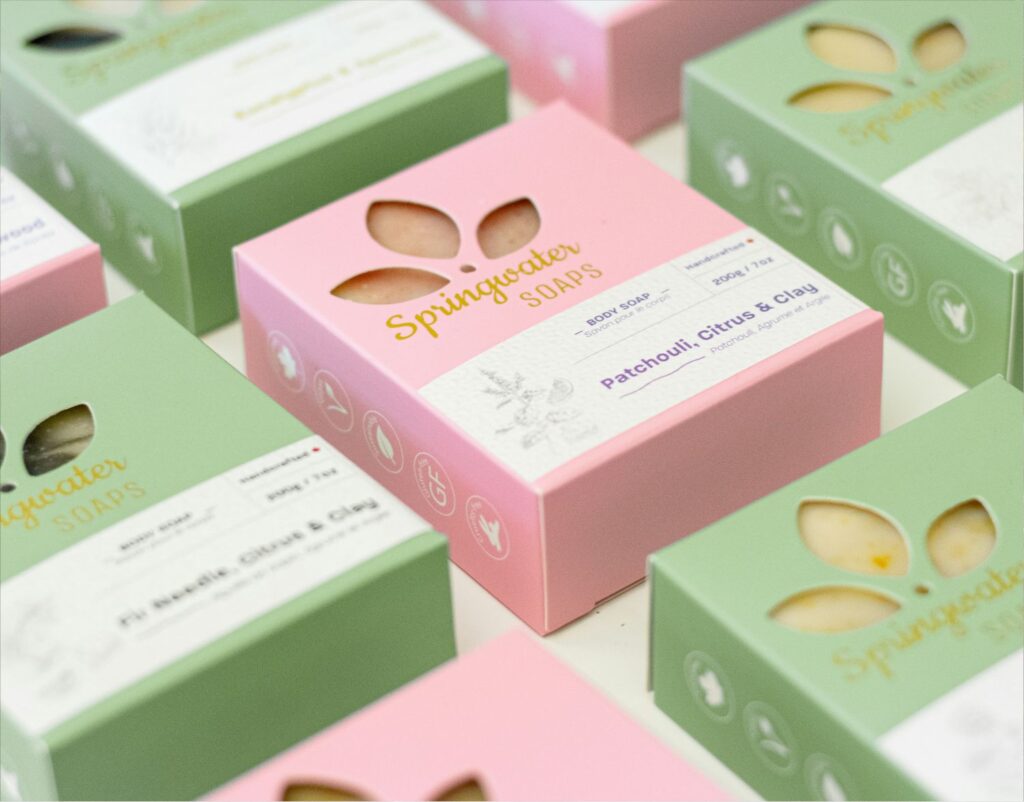
One of the key trends in sustainable packaging is the use of recyclable and biodegradable materials. Paper-based packaging, recycled cardboard, plant-based plastics, and compostable materials are increasingly replacing conventional plastic packaging. These alternatives help reduce environmental damage while maintaining product safety and quality. Many brands are also reducing unnecessary packaging layers to minimize material usage and transportation costs.
Consumer demand has been a major driving force behind this transformation. Modern shoppers are more informed about environmental issues and often prefer brands that demonstrate a commitment to sustainability. Surveys consistently show that consumers are willing to support companies that use eco-friendly packaging and adopt environmentally responsible practices. Sustainable packaging has therefore become an important factor influencing purchasing decisions and brand loyalty.
Innovation is playing a critical role in advancing sustainable packaging solutions. Companies are investing in research and development to create materials that are durable, lightweight, and environmentally friendly. Edible packaging, mushroom-based packaging, seaweed-derived materials, and reusable container systems are some of the innovative solutions gaining attention in the market. These advancements demonstrate how creativity and technology can work together to address environmental challenges.
The growth of e-commerce has further increased the importance of sustainable packaging. With millions of products shipped daily, online retailers face pressure to reduce packaging waste while ensuring products arrive safely. Many businesses are adopting recyclable shipping materials, right-sized packaging, and reusable delivery solutions to improve sustainability throughout the supply chain.
Government regulations are also encouraging the adoption of sustainable packaging practices. Many countries have introduced restrictions on single-use plastics, recycling requirements, and environmental standards for packaging manufacturers. These regulations are motivating businesses to redesign packaging systems and invest in greener alternatives. Compliance with environmental regulations is becoming an essential aspect of long-term business strategy.
Despite its benefits, sustainable packaging does present challenges. Eco-friendly materials can sometimes be more expensive than traditional options, especially during the early stages of adoption. Businesses must also balance sustainability goals with product protection, durability, and cost efficiency. Additionally, recycling infrastructure varies across regions, affecting the effectiveness of some sustainable packaging solutions.
Looking ahead, sustainable packaging is expected to become a standard practice rather than a niche trend. Advances in material science, growing environmental awareness, and stronger regulatory frameworks will continue to drive innovation in the industry. Companies that embrace sustainable packaging today are likely to gain a competitive advantage while contributing to environmental preservation.
In conclusion, the rise of sustainable packaging design represents a significant shift in the consumer goods industry. By reducing waste, promoting resource efficiency, and meeting consumer expectations, sustainable packaging is helping create a more responsible and environmentally friendly future for businesses and consumers alike.