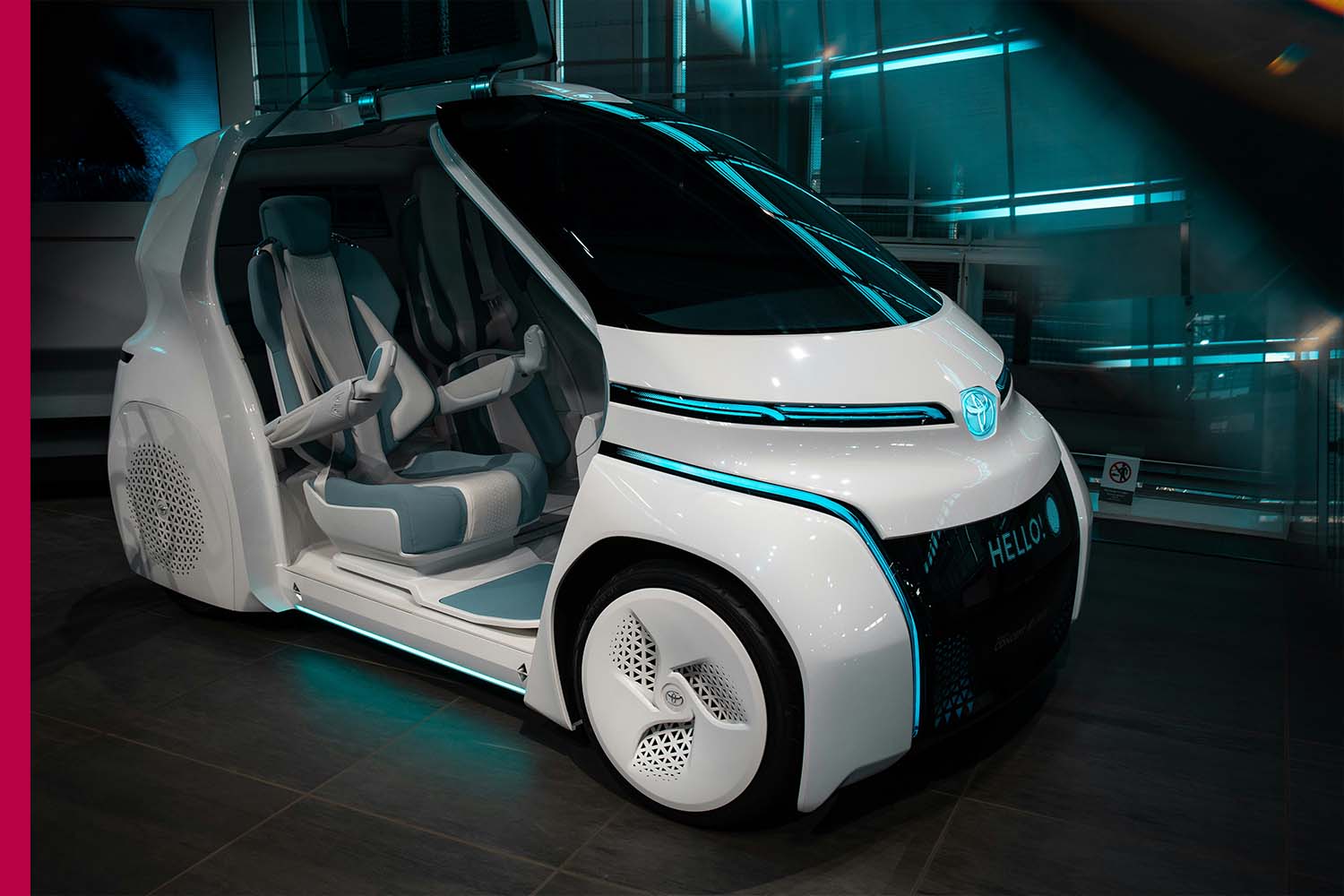








The concept of smart homes has evolved from a futuristic idea into a practical reality that is transforming modern living. Powered by advancements in the Internet of Things (IoT), Artificial Intelligence (AI), automation, and wireless connectivity, smart homes are changing how people interact with their living spaces. From controlling lighting and temperature to managing security and household appliances, smart home technology is making homes more efficient, convenient, and comfortable than ever before. As technology continues to advance, smart homes are expected to become a standard feature of modern lifestyles.
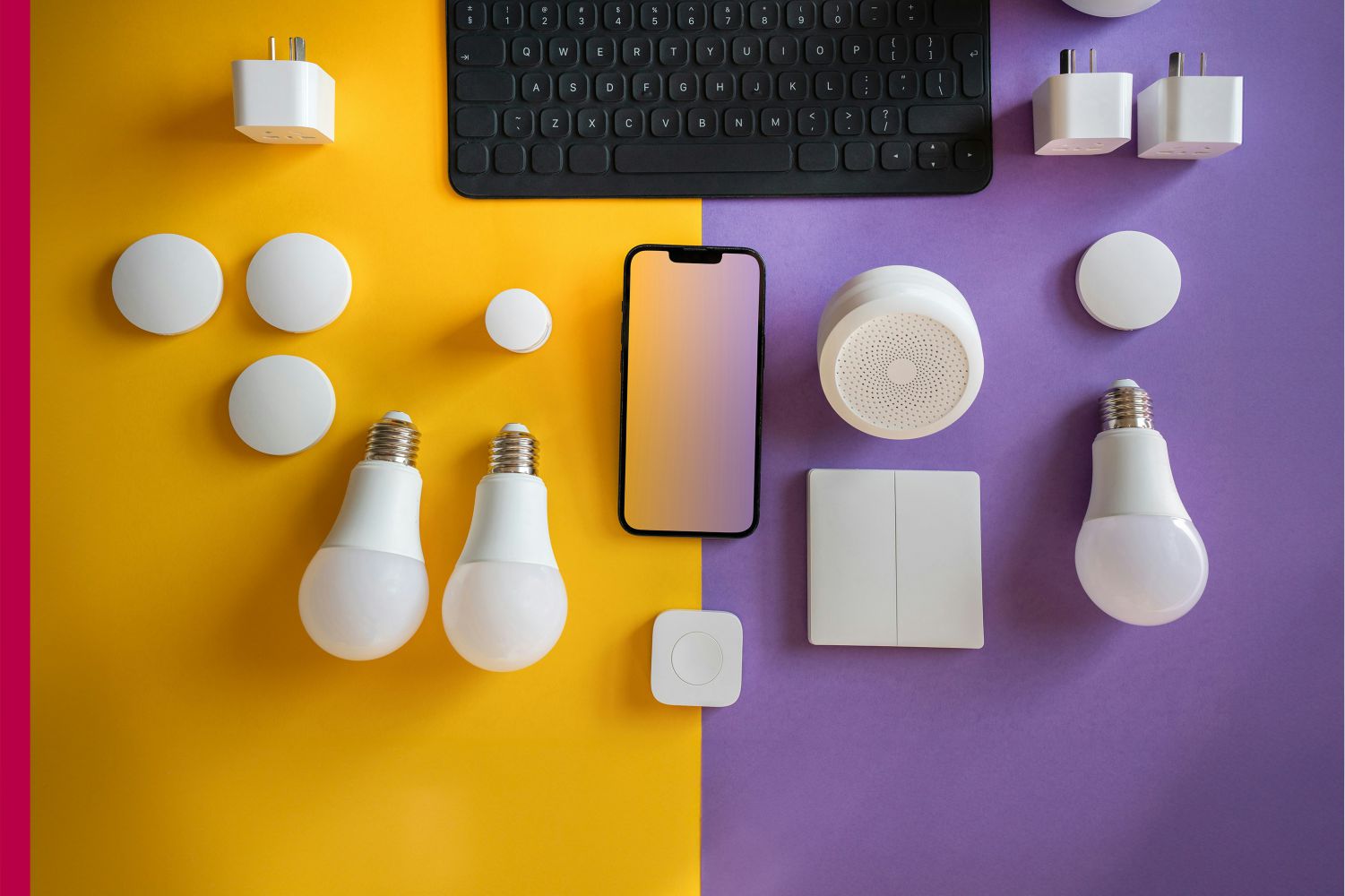
A smart home is a residence equipped with connected devices that can communicate with each other and be controlled remotely through smartphones, tablets, or voice assistants. These devices include smart lighting systems, thermostats, security cameras, door locks, entertainment systems, and household appliances. By integrating these technologies, homeowners can automate routine tasks and manage their homes from virtually anywhere.
One of the primary benefits of smart homes is convenience. Smart devices allow homeowners to control multiple functions with a single command or automated schedule. For example, lights can automatically turn on when someone enters a room, thermostats can adjust temperatures based on occupancy, and coffee makers can start brewing at a pre-set time. Voice-controlled assistants have further simplified interactions, enabling users to manage their homes through simple spoken commands.
Energy efficiency is another major advantage of smart home technology. Smart thermostats, energy monitoring systems, and automated lighting help reduce electricity consumption and lower utility bills. These systems can analyze usage patterns and optimize energy consumption accordingly. As environmental concerns and energy costs continue to rise, smart homes are becoming an effective solution for promoting sustainable living.
Home security has also been significantly enhanced through smart technologies. Modern security systems include smart cameras, motion detectors, video doorbells, and intelligent locks that provide real-time monitoring and alerts. Homeowners can view security footage, lock doors, and receive notifications directly on their mobile devices. These features improve safety and provide peace of mind, particularly for families and frequent travelers.
Artificial Intelligence is playing an increasingly important role in the development of smart homes. AI-powered systems can learn user preferences and automatically adjust settings to improve comfort and efficiency. For example, smart assistants can recognize daily routines and suggest actions such as adjusting room temperatures, playing preferred music, or reminding users of important tasks. This level of personalization enhances the overall living experience.

The healthcare sector is also benefiting from smart home innovations. Smart health monitoring devices can track vital signs, medication schedules, and emergency situations, making them particularly useful for elderly individuals and people with chronic health conditions. These technologies support independent living while improving safety and healthcare accessibility.
Despite their many advantages, smart homes face several challenges. Privacy and cybersecurity remain significant concerns, as connected devices collect and transmit large amounts of personal data. Protecting smart home systems from hacking and unauthorized access requires strong security measures and regular software updates. Additionally, the cost of installation and maintenance can be a barrier for some consumers.
The future of smart homes looks promising as technology becomes more affordable and accessible. Advances in AI, 5G connectivity, and IoT devices will further enhance automation, security, and energy management capabilities. Smart cities and sustainable urban developments are also expected to integrate smart home technologies on a larger scale.
In conclusion, smart homes represent the future of living spaces by combining technology, convenience, efficiency, and security. As innovation continues to reshape residential environments, smart homes will play a central role in creating more connected, sustainable, and intelligent lifestyles for people around the world.