


The global manufacturing sector faced unprecedented challenges during the COVID-19 pandemic. Lockdowns, labor shortages, disrupted supply chains, and reduced consumer demand significantly affected industrial production worldwide. However, as economies gradually reopened, the manufacturing industry began a steady recovery driven by innovation, digital transformation, and changing market strategies. Today, the sector is adapting to a new industrial landscape shaped by resilience and sustainability.
One of the biggest impacts of the pandemic was supply chain disruption. Factories struggled to obtain raw materials and components due to transportation restrictions and global trade interruptions. In response, manufacturers began diversifying suppliers and adopting localized sourcing strategies to reduce dependency on a single region. This shift has improved supply chain resilience and reduced operational risks.
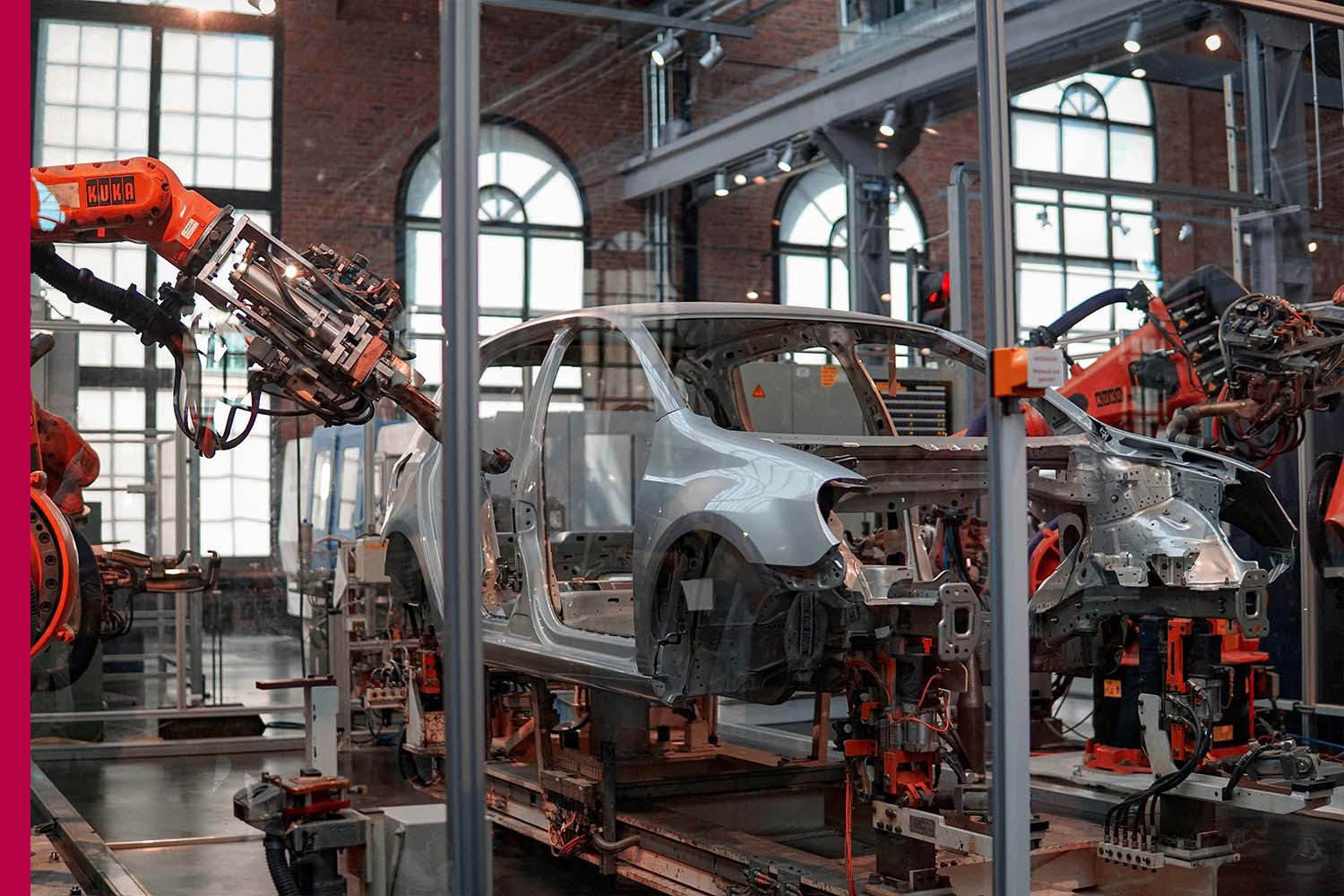
Digital transformation has become a key factor in manufacturing recovery. Companies accelerated the adoption of technologies such as automation, robotics, and data analytics to maintain production efficiency while minimizing human contact. Smart manufacturing systems powered by the Internet of Things allow real-time monitoring of operations, predictive maintenance, and improved decision-making. These advancements have increased productivity and operational flexibility.
In India, the manufacturing sector recovery has been supported by government initiatives aimed at boosting industrial growth and self-reliance. Programs like Make in India and production-linked incentive schemes have encouraged domestic manufacturing and foreign investment. These measures are helping industries modernize and expand their capabilities.
The pandemic also highlighted the importance of workforce adaptability. Manufacturers invested in employee training and skill development to prepare workers for advanced technologies and automated systems. Hybrid work models and digital collaboration tools have become more common in industrial management and operations.
Another major trend in the recovery process is the focus on sustainability. Many manufacturers are adopting environmentally responsible practices such as energy-efficient production, waste reduction, and renewable energy integration. Sustainable manufacturing not only supports environmental goals but also improves long-term profitability and brand reputation.
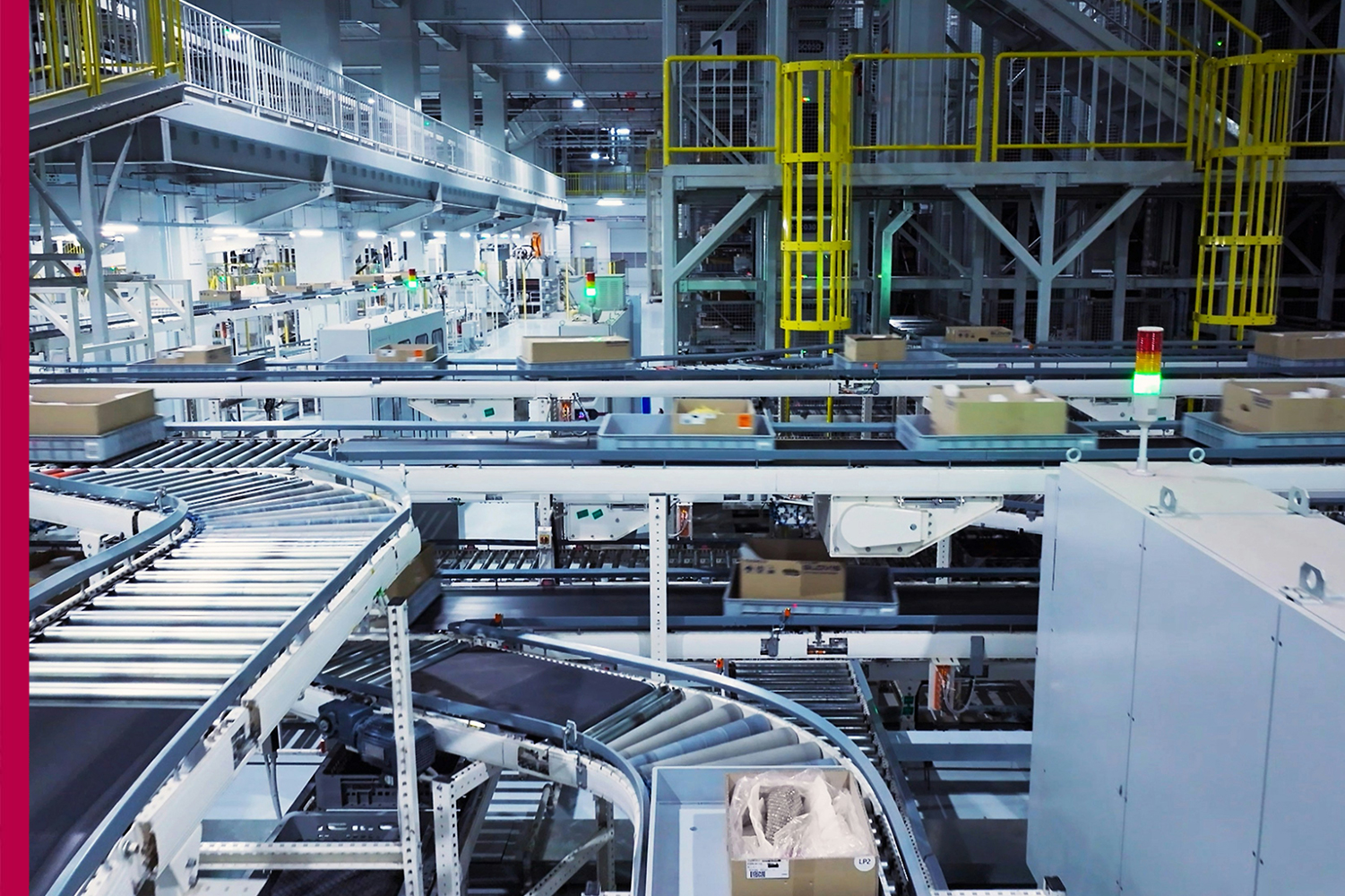
The demand for automation increased significantly during the pandemic. Automated systems helped companies continue operations despite labor shortages and social distancing requirements. Robotics and artificial intelligence are now being widely used in assembly lines, quality control, and warehouse management. While automation improves efficiency, it also creates demand for a more skilled workforce capable of managing advanced technologies.
E-commerce growth during the pandemic also influenced manufacturing recovery. Increased online shopping created higher demand for consumer goods, packaging materials, and logistics services. Manufacturers adapted by improving production agility and investing in digital supply chain management systems.
Despite the recovery, challenges remain. Rising raw material costs, inflation, and geopolitical tensions continue to affect manufacturing operations. Small and medium-sized enterprises (SMEs) often face difficulties in accessing capital and adopting advanced technologies. Addressing these issues requires supportive policies, infrastructure development, and financial assistance.
Innovation is playing a crucial role in driving long-term growth. Research and development activities are helping manufacturers create smarter products, improve efficiency, and remain competitive in global markets. Industries such as electronics, pharmaceuticals, and renewable energy equipment are witnessing significant expansion due to increased investment and technological advancement.
Global collaboration is also strengthening the manufacturing sector. Businesses are forming strategic partnerships and expanding international trade networks to improve supply chain stability and market access. Cross-border cooperation is helping industries recover faster and build resilience against future disruptions.
Looking ahead, the future of manufacturing will be shaped by digitalization, sustainability, and resilience. Smart factories, green technologies, and advanced analytics will continue to transform industrial operations. Companies that embrace innovation and adaptability will be better positioned for long-term success.
In conclusion, the manufacturing sector’s recovery post-pandemic reflects the industry’s ability to adapt and evolve in the face of major challenges. Through digital transformation, sustainable practices, and stronger supply chain strategies, manufacturers are rebuilding for a more resilient future. As the global economy continues to recover, the manufacturing sector will remain a key driver of growth, employment, and technological progress.