








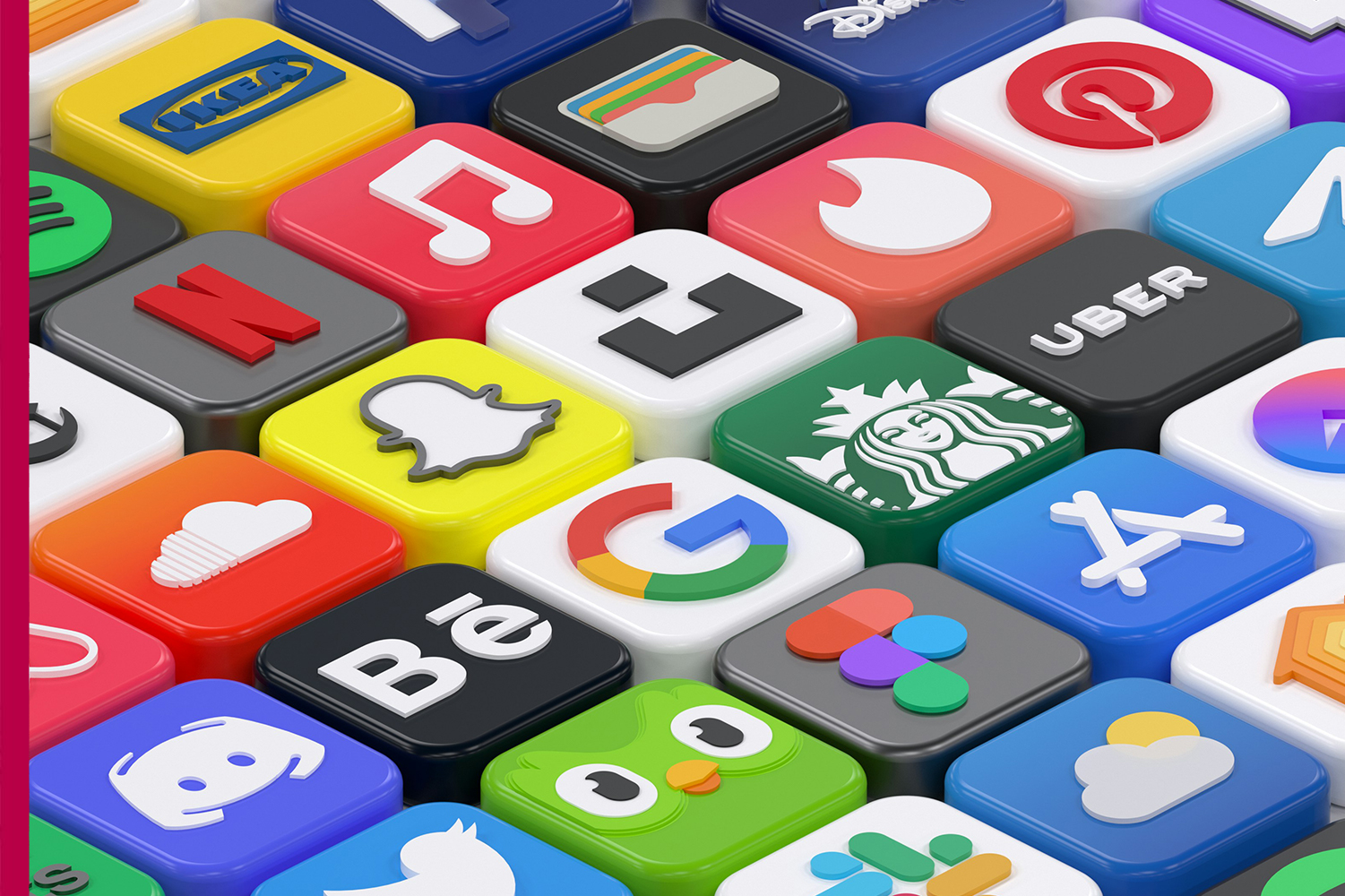
The rise of social media has transformed the way people access and consume news. Platforms that were once primarily used for communication and entertainment have evolved into powerful sources of real-time information. Today, millions of users rely on social media to stay updated on current events, breaking news, politics, entertainment, and global trends. This shift has significantly changed the traditional media landscape and influenced how news is created, shared, and consumed.
One of the biggest advantages of social media as a news source is speed. Information can spread instantly across platforms, allowing users to receive updates in real time. During major events such as natural disasters, elections, or sports competitions, social media often delivers news faster than traditional television or newspapers. Platforms like X and Facebook enable users to share live updates, videos, and eyewitness accounts within seconds.
Accessibility is another major factor driving the popularity of social media news consumption. With smartphones and internet connectivity becoming more widespread, people can access information anytime and anywhere. In India, the growth of affordable mobile internet has significantly increased social media usage, making digital platforms a primary source of news for younger audiences.
Social media also allows users to personalize their news experience. Algorithms analyze user preferences and show content based on interests, location, and online behavior. This customization makes it easier for individuals to follow topics they care about, from business and technology to entertainment and health.
Citizen journalism has emerged as another important aspect of social media news. Ordinary users can now capture and share events directly from the scene using smartphones. This has increased the diversity of perspectives and enabled broader coverage of local and global events. In some cases, citizen-generated content has even helped uncover important stories before mainstream media outlets reported them.
Engagement and interaction make social media different from traditional news platforms. Users can comment, share opinions, participate in discussions, and directly interact with journalists and news organizations. This interactive environment creates a sense of involvement and encourages public participation in conversations about important issues.
Despite these advantages, social media as a news source also presents several challenges. One of the biggest concerns is the spread of misinformation and fake news. Since content can be shared rapidly without verification, false or misleading information can easily go viral. This can create confusion, panic, and social tension. The challenge of distinguishing reliable news from misinformation has become a major issue in the digital age.
Another concern is algorithm-driven echo chambers. Social media platforms often show users content that aligns with their existing beliefs and interests. While this increases engagement, it can limit exposure to diverse viewpoints and contribute to polarization. Users may become trapped in information bubbles that reinforce their opinions without encouraging balanced understanding.
Credibility and trust are also important issues. Unlike traditional journalism, where editorial standards and fact-checking processes are more established, social media content may come from unverified sources. This makes media literacy and critical thinking essential skills for modern news consumers.
News organizations are adapting to this shift by strengthening their digital presence and using social media to distribute content. Many media companies now produce short videos, live updates, and interactive posts designed specifically for digital audiences. Influencers and independent content creators are also becoming influential voices in news reporting and commentary.
Looking ahead, technology such as artificial intelligence and advanced moderation tools will play a bigger role in managing content and combating misinformation. Platforms are investing in fact-checking partnerships and content regulation to improve reliability and user trust.
In conclusion, social media has become a powerful and influential news source that has reshaped the global information landscape. Its speed, accessibility, and interactive nature have changed how people engage with current events. However, challenges related to misinformation, credibility, and polarization highlight the need for responsible usage and critical evaluation of online content. As digital communication continues to evolve, social media will remain a central force in the future of news consumption.