



Global metal prices play a crucial role in the world economy, influencing industries such as construction, manufacturing, automotive, electronics, and infrastructure development. Metals like steel, copper, aluminum, gold, and lithium are essential raw materials for industrial production and technological advancement. However, metal prices often experience significant fluctuations due to various economic, geopolitical, and environmental factors. Understanding these price movements is important for businesses, investors, and policymakers.
One of the primary reasons for global metal price fluctuations is changes in supply and demand. When industrial activity increases, demand for metals rises, pushing prices upward. On the other hand, economic slowdowns reduce demand, leading to lower prices. Rapid industrialization and infrastructure projects in developing countries have significantly influenced metal consumption in recent years.
Global economic conditions strongly impact metal markets. During periods of economic growth, industries expand production and construction activities increase, boosting demand for metals. Conversely, recessions and financial uncertainty often reduce industrial output and investment, causing prices to decline. Inflation and currency fluctuations also affect the cost of metal production and international trade.
Geopolitical tensions and trade policies are another major factor. Export restrictions, tariffs, sanctions, and political instability in mining regions can disrupt supply chains and create uncertainty in the market. For example, conflicts involving major metal-producing countries can lead to shortages and sudden price spikes.
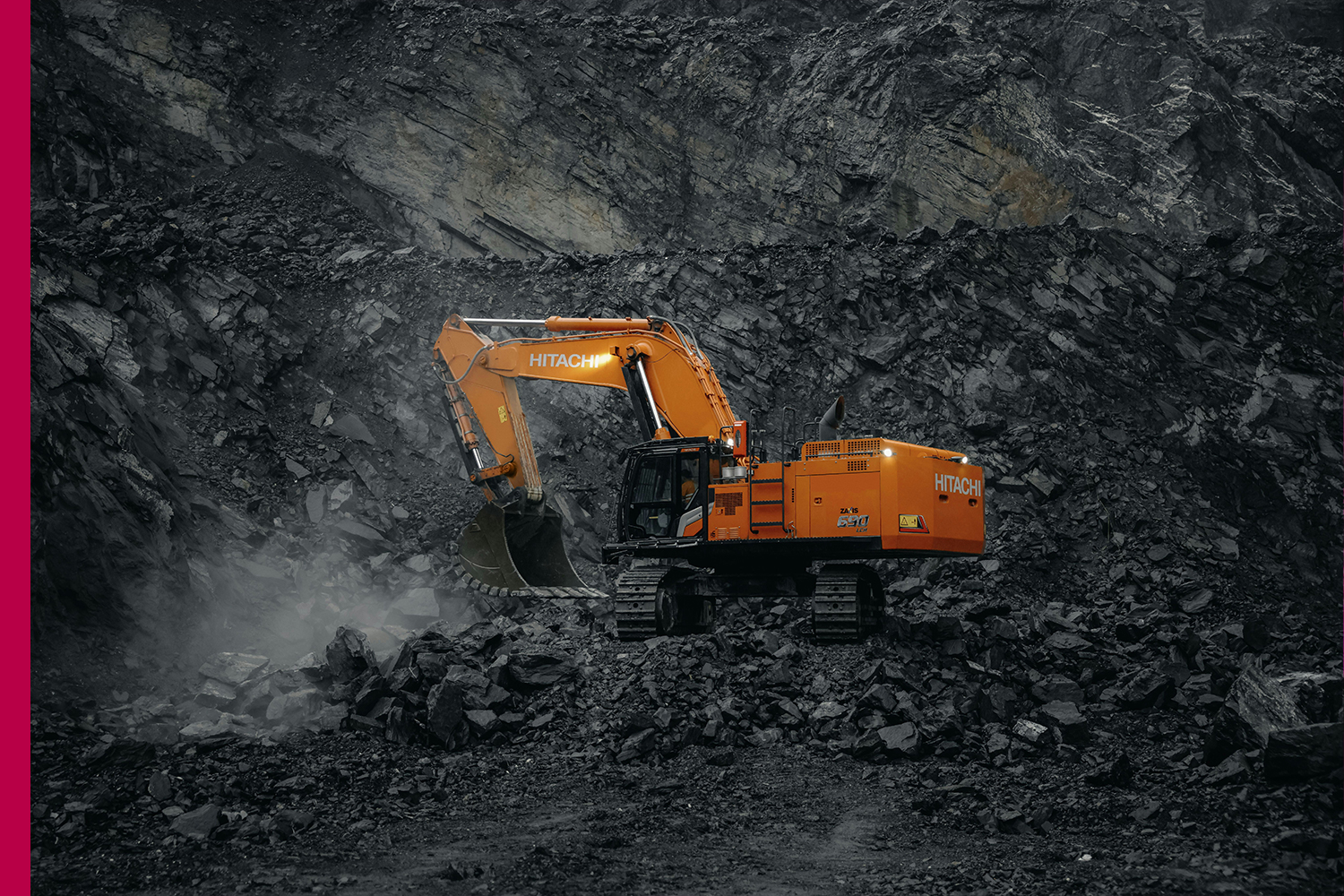
Energy costs also influence metal prices significantly. Mining and metal processing require large amounts of energy, making fuel and electricity prices an important cost factor. Rising energy prices can increase production expenses, which are often passed on to buyers through higher metal prices.
Technological advancements and the transition toward green energy are creating new trends in the metal industry. Metals such as lithium, nickel, cobalt, and copper are increasingly in demand due to their use in electric vehicles, batteries, and renewable energy infrastructure. This growing demand is reshaping global commodity markets and influencing long-term price trends.
In India, global metal price fluctuations have a significant impact on industries such as construction, automobile manufacturing, and infrastructure development. Rising metal prices can increase production costs and affect project budgets, while falling prices may benefit manufacturers and consumers. India’s expanding industrial sector makes it highly sensitive to global commodity market trends.
Precious metals like gold and silver are also affected by investor sentiment. During times of economic uncertainty or inflation, investors often turn to gold as a safe-haven asset, driving prices higher. Conversely, stronger financial markets may reduce demand for precious metals.
Environmental regulations and sustainability initiatives are increasingly influencing the metal industry. Governments and organizations are promoting cleaner mining practices and stricter environmental standards. While these measures support sustainability, they can also increase operational costs and affect supply levels.
The rise of recycling and circular economy practices is another important trend. Recycling metals reduces dependency on raw mining and helps stabilize supply. Recycled materials are becoming an essential part of sustainable manufacturing and resource management.
Despite the opportunities, metal markets remain highly volatile. Natural disasters, labor strikes, transportation disruptions, and sudden changes in global demand can create unpredictable price swings. Businesses dependent on metals often use long-term contracts and hedging strategies to manage these risks.
Digital technologies and data analytics are improving market forecasting and supply chain management. Companies can now monitor global trends, predict demand changes, and make more informed purchasing decisions. Advanced analytics help industries respond more effectively to market fluctuations.
Looking ahead, global metal prices are expected to remain dynamic due to the ongoing energy transition, industrial growth, and geopolitical developments. Demand for strategic and rare metals will likely continue to increase as clean energy technologies expand worldwide.
In conclusion, global metal price fluctuations are driven by a complex combination of economic, political, technological, and environmental factors. These price movements have far-reaching effects on industries, trade, and economic stability. As global demand for metals evolves, businesses and governments must adapt to changing market conditions and focus on sustainable resource management for long-term growth.