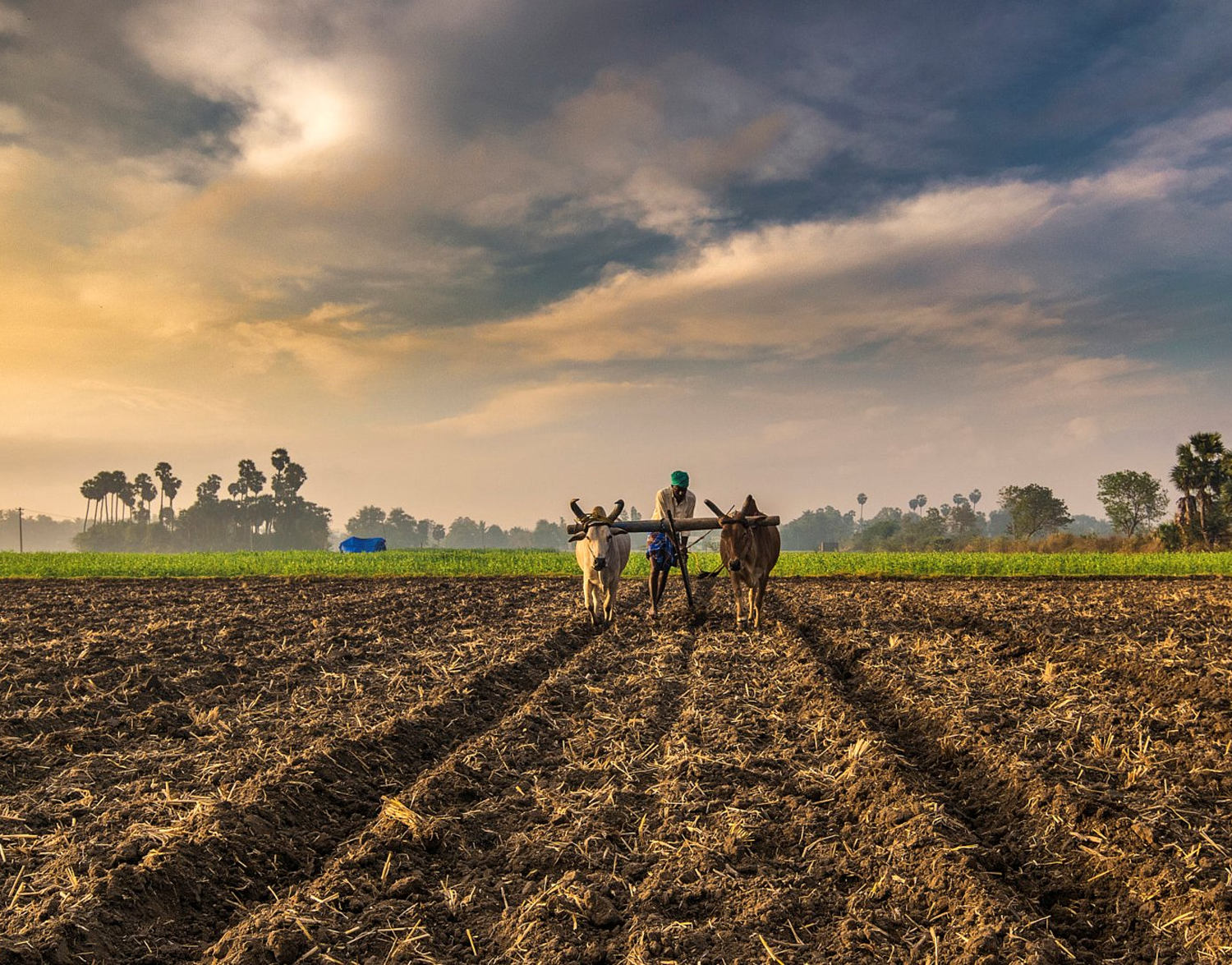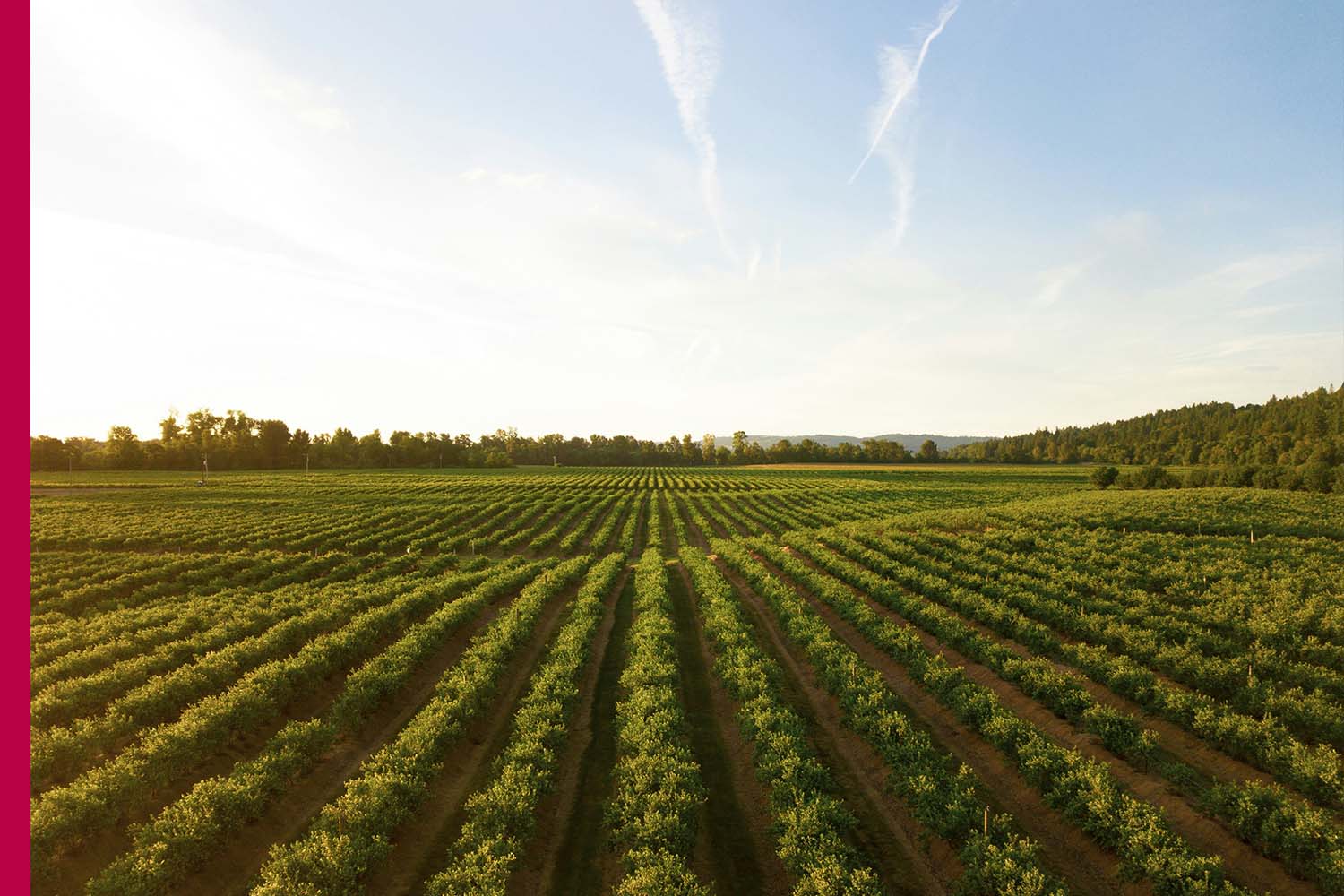








Organic farming has emerged as a sustainable and environmentally friendly approach to agriculture that benefits both farmers and consumers. As awareness about health, food safety, and environmental protection continues to grow, organic farming is gaining popularity across the world. Unlike conventional farming methods that rely heavily on synthetic fertilizers, pesticides, and genetically modified organisms, organic farming focuses on natural processes, biodiversity, and ecological balance to produce healthy crops.
One of the most significant benefits of organic farming for farmers is improved soil health. Organic farming practices such as crop rotation, composting, and the use of natural fertilizers like manure and biofertilizers help maintain soil fertility and structure. Healthy soil retains moisture better, reduces erosion, and supports beneficial microorganisms. Over time, this leads to higher productivity and long-term sustainability of farmland. Farmers who adopt organic methods often find that their land becomes more resilient to droughts and climate variations.
Another advantage for farmers is reduced dependency on expensive chemical inputs. Conventional agriculture often requires significant investment in chemical fertilizers, pesticides, and herbicides. Organic farming, on the other hand, relies on natural alternatives such as compost, green manure, and biological pest control. This helps farmers reduce production costs while maintaining crop quality. In many regions, organic produce also sells at a premium price in the market, allowing farmers to earn better profits and improve their financial stability.
Organic farming also promotes biodiversity on farms. By avoiding harmful chemicals and encouraging mixed cropping systems, farmers create an environment where beneficial insects, birds, and soil organisms can thrive. These natural ecosystems help control pests and improve pollination, which enhances crop yields naturally. Biodiversity not only protects crops but also supports the overall health of the agricultural landscape.
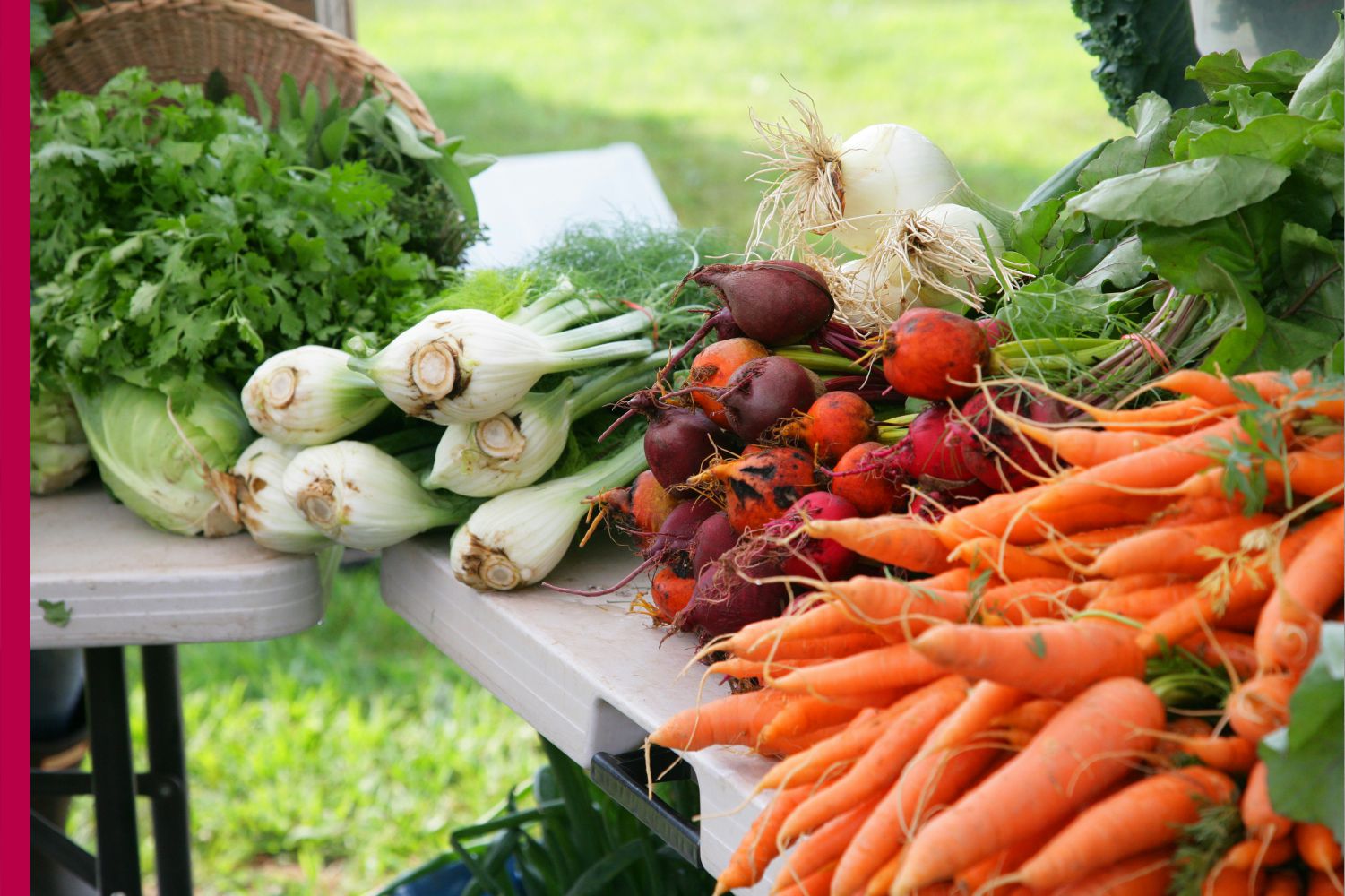
For consumers, organic farming provides access to healthier and safer food. Organic products are grown without synthetic pesticides, chemical fertilizers, or artificial additives. As a result, the food produced contains fewer chemical residues and is often considered more nutritious. Many consumers choose organic fruits, vegetables, grains, and dairy products because they believe these foods are fresher, more natural, and better for long-term health.
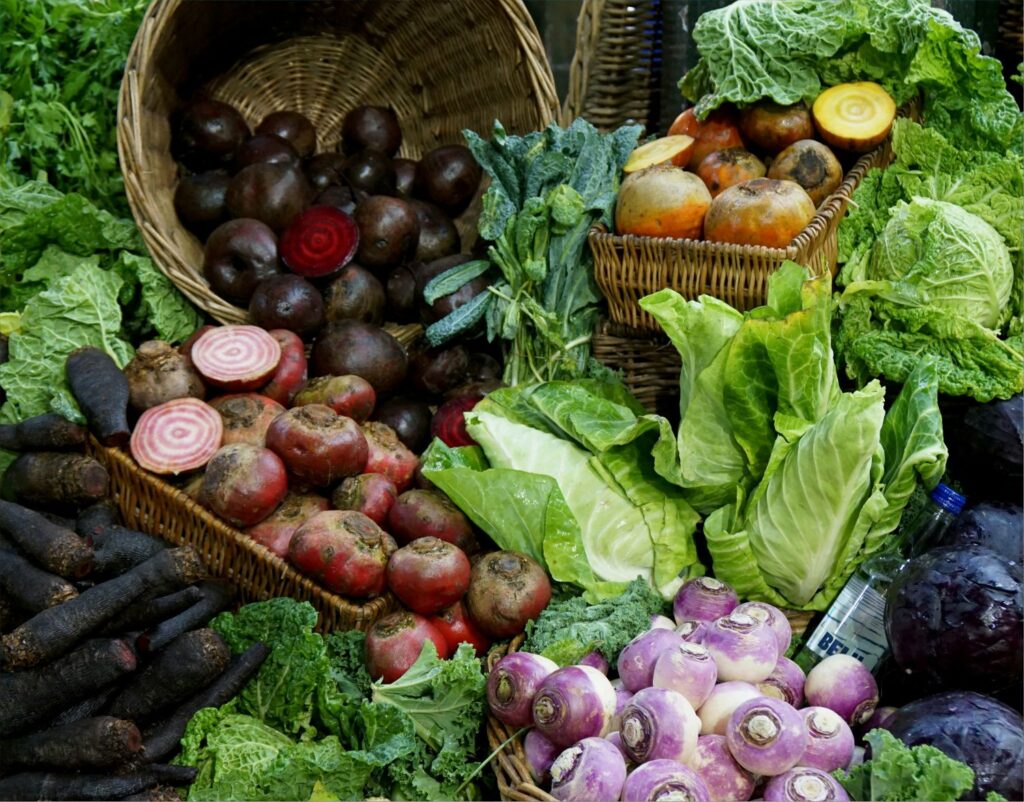
Another important benefit for consumers is improved food quality and taste. Organic crops are grown in nutrient-rich soil, which often results in better flavor and texture. Since organic farming emphasizes natural growth cycles rather than rapid production through chemicals, the crops develop more naturally and maintain their original taste. This is one reason why organic produce is increasingly preferred by health-conscious individuals and families.
Organic farming also contributes to environmental protection, which ultimately benefits everyone. By eliminating harmful chemicals, organic farms reduce soil contamination, water pollution, and damage to surrounding ecosystems. Sustainable farming methods help conserve water, improve soil fertility, and reduce greenhouse gas emissions. Consumers who support organic products are indirectly contributing to a cleaner and healthier environment.
In addition, organic farming encourages ethical and sustainable agricultural practices. Many organic farms follow humane livestock management, avoid the overuse of antibiotics, and prioritize animal welfare. These practices align with the growing consumer demand for ethically produced food.
In conclusion, organic farming offers numerous benefits for both farmers and consumers. It supports healthier soil, reduces production costs, promotes biodiversity, and provides farmers with better market opportunities. For consumers, it ensures safer, nutritious, and environmentally responsible food choices. As the global demand for sustainable agriculture increases, organic farming is likely to play a crucial role in building a healthier food system for future generations.