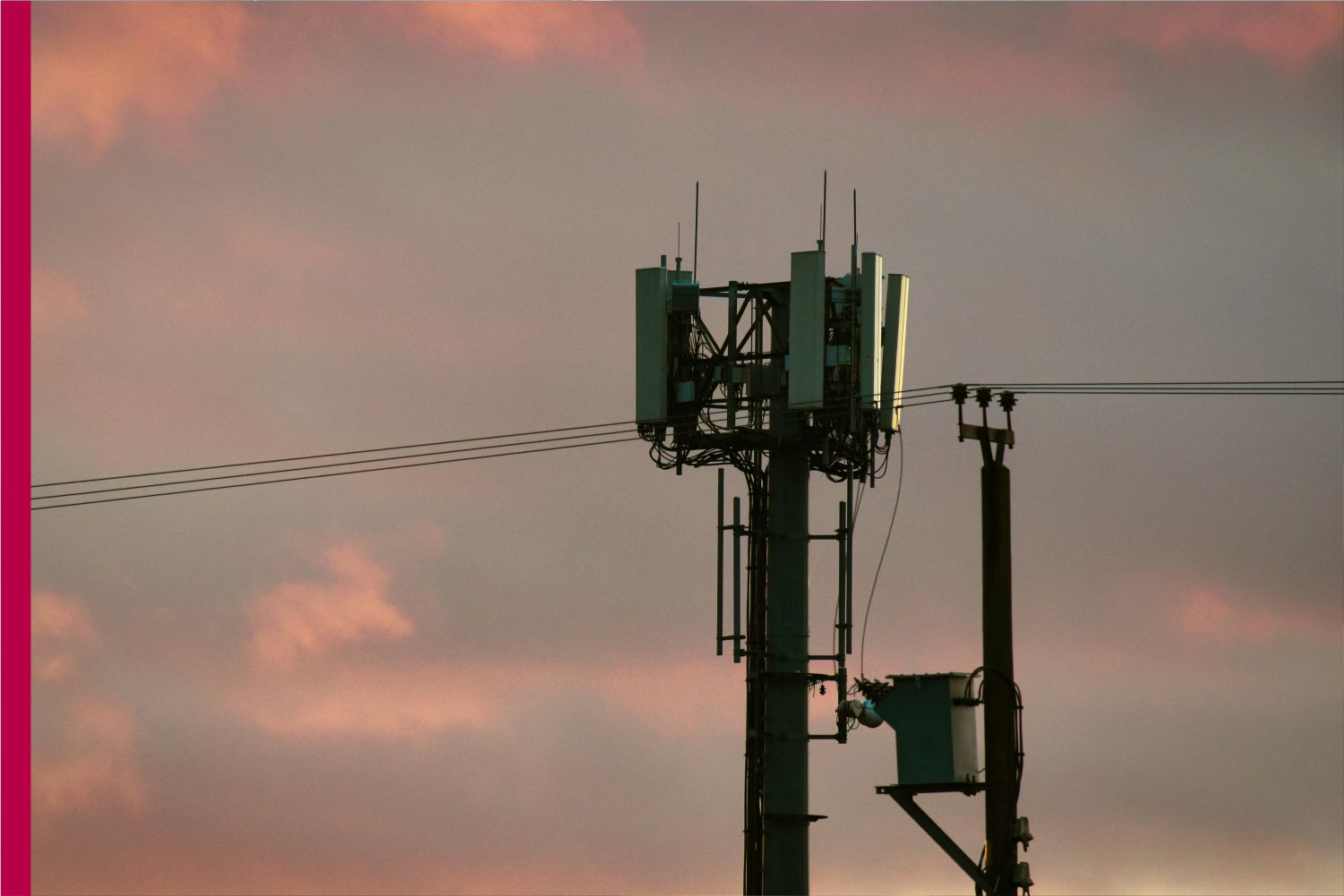




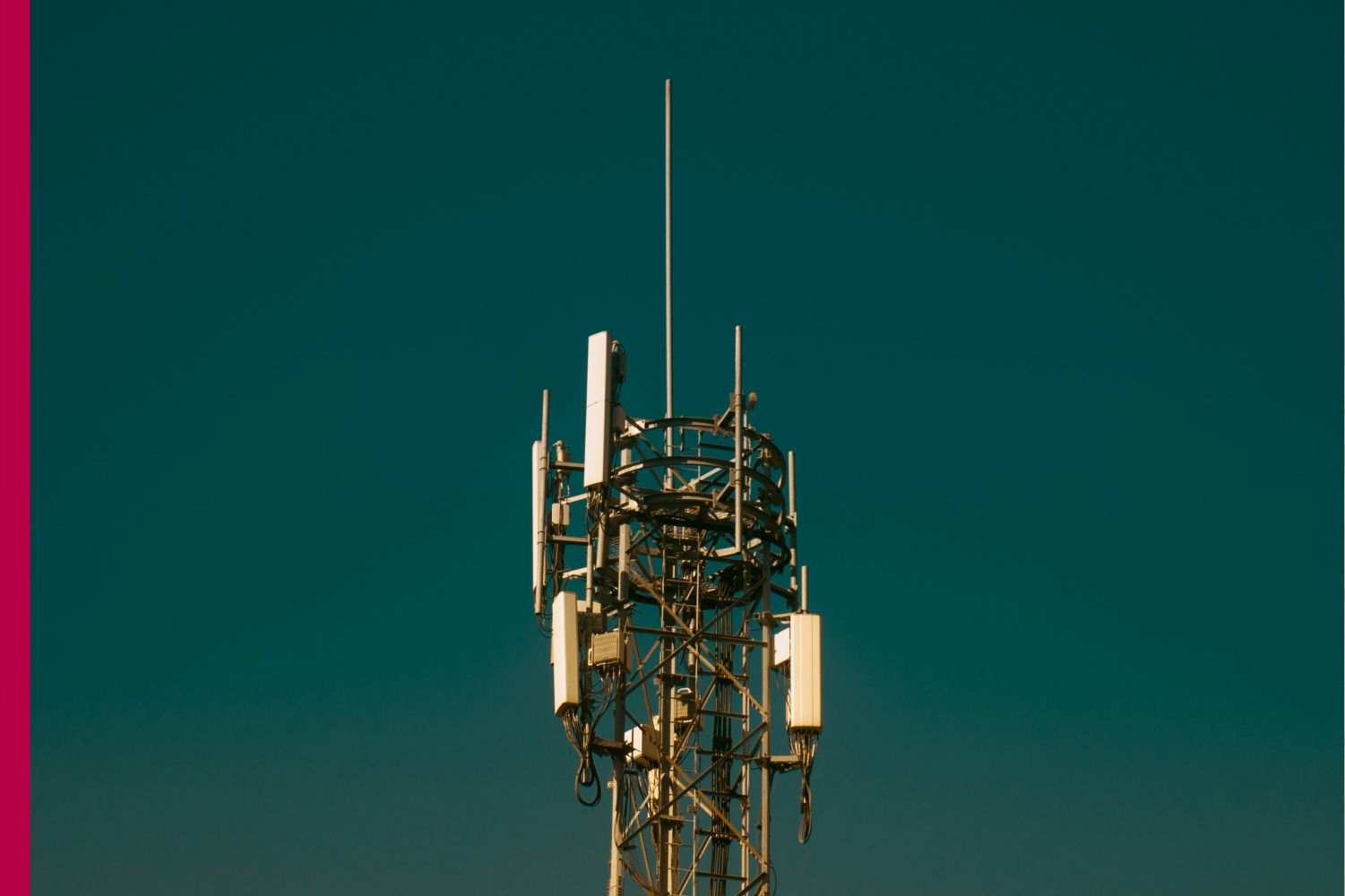
Telecommunication infrastructure forms the backbone of the modern digital economy. From enabling mobile communication and internet access to supporting smart cities and cloud services, telecom networks are essential for economic growth and social connectivity. However, as demand for faster speeds and wider coverage increases, the industry faces significant telecom infrastructure challenges that impact deployment, performance, and long-term sustainability.
One of the primary challenges is the rapid growth in data consumption. The widespread adoption of smartphones, streaming platforms, IoT devices, and remote work technologies has dramatically increased network traffic. Telecom operators must continuously upgrade capacity to prevent congestion and ensure seamless user experiences. The rollout of 5G networks promises ultra-fast speeds and low latency, but it also requires substantial investment in fiber backhaul, small cell deployment, and spectrum acquisition.
High capital expenditure is another major hurdle. Building and maintaining telecom infrastructure—including towers, fiber-optic cables, data centers, and base stations—requires significant financial resources. In emerging markets and rural regions, low population density often limits return on investment, discouraging private operators from expanding coverage. Governments and regulatory bodies must step in with supportive policies, subsidies, or public-private partnerships to bridge the connectivity gap.
Spectrum management and regulatory complexities further complicate infrastructure development. Telecom operators depend on licensed radio frequencies to deliver wireless services. However, spectrum allocation processes can be costly and time-consuming. Regulatory frameworks vary across countries, creating additional barriers for multinational operators. Organizations like the International Telecommunication Union play a key role in coordinating global spectrum policies and standards, yet implementation remains a localized challenge.
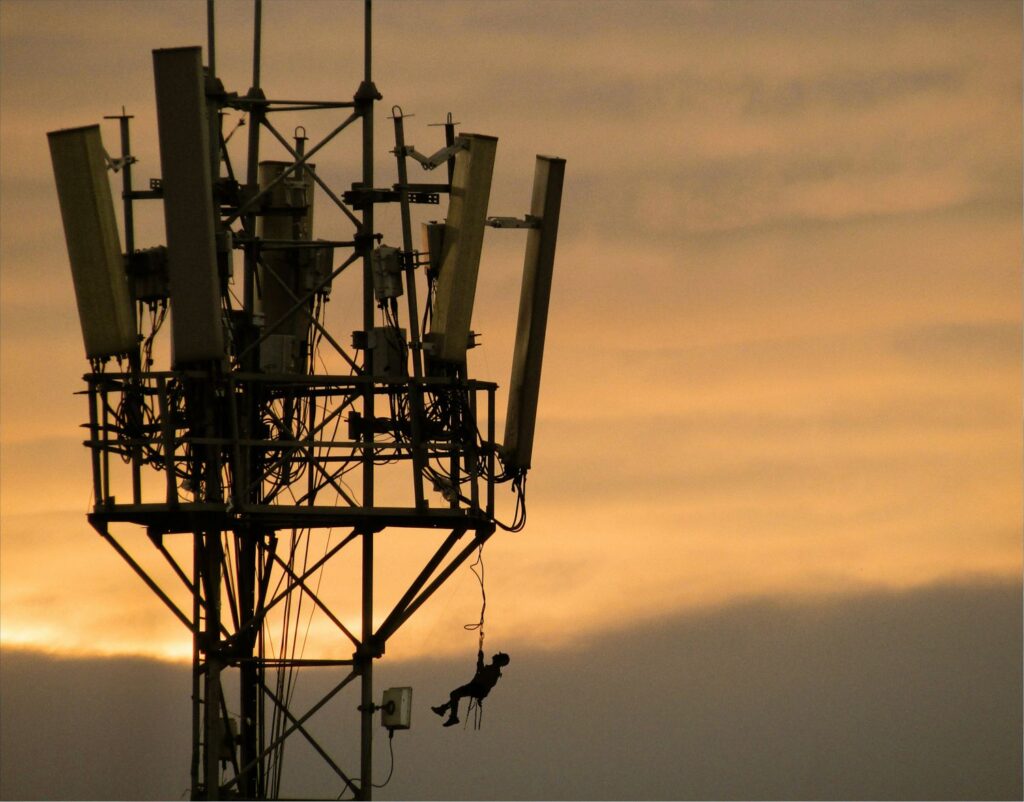
Another pressing issue is infrastructure resilience and cybersecurity. Telecom networks are critical national assets, making them attractive targets for cyberattacks and sabotage. As networks become more software-defined and cloud-integrated, vulnerabilities may increase. Operators must invest heavily in advanced security systems, network monitoring, and disaster recovery solutions to protect data and maintain service continuity during outages or natural disasters.
Energy consumption is another critical concern. Telecom infrastructure, especially data centers and base stations, consumes significant electricity. As networks expand, operators must adopt energy-efficient technologies and integrate renewable energy solutions to reduce operational costs and environmental impact. Companies like Ericsson are developing energy-efficient network equipment to support sustainable growth.
Lastly, the digital divide remains a persistent global challenge. While urban regions enjoy high-speed connectivity, many rural and remote communities still lack reliable internet access. Bridging this gap is crucial for promoting inclusive economic development, education, and healthcare access.
In conclusion, telecom infrastructure challenges encompass financial, regulatory, technological, and environmental dimensions. As digital transformation accelerates worldwide, addressing these challenges requires collaboration among governments, telecom operators, technology providers, and international organizations. By investing in resilient, scalable, and sustainable networks, the telecom industry can pave the way for a more connected and digitally empowered future.