



Wireless communication technologies have transformed the way people connect, share information, and access services. From mobile phones and smart homes to industrial automation and satellite networks, wireless communication forms the backbone of today’s digital society. By transmitting data without physical cables, these technologies enable mobility, scalability, and real-time communication across vast distances.
At a basic level, wireless communication involves transmitting information using electromagnetic waves such as radio waves, microwaves, or infrared signals. A transmitter converts data into signals, which travel through the air and are received and decoded by a receiver. Different wireless technologies operate over different frequency ranges and are designed for specific use cases, balancing factors like speed, range, power consumption, and reliability.
One of the most widely used wireless technologies is Wi-Fi. Based on standards developed by the Institute of Electrical and Electronics Engineers, Wi-Fi enables high-speed wireless internet access within homes, offices, and public spaces. It operates over short to medium ranges and is ideal for data-intensive tasks such as video streaming, online gaming, and cloud computing. Continuous advancements in Wi-Fi standards have improved speed, capacity, and performance in crowded environments.
Bluetooth is another common wireless technology, primarily designed for short-range communication between devices. It is widely used in wireless headphones, keyboards, fitness trackers, and smart home devices. Bluetooth is optimized for low power consumption, making it suitable for battery-operated devices and Internet of Things (IoT) applications.
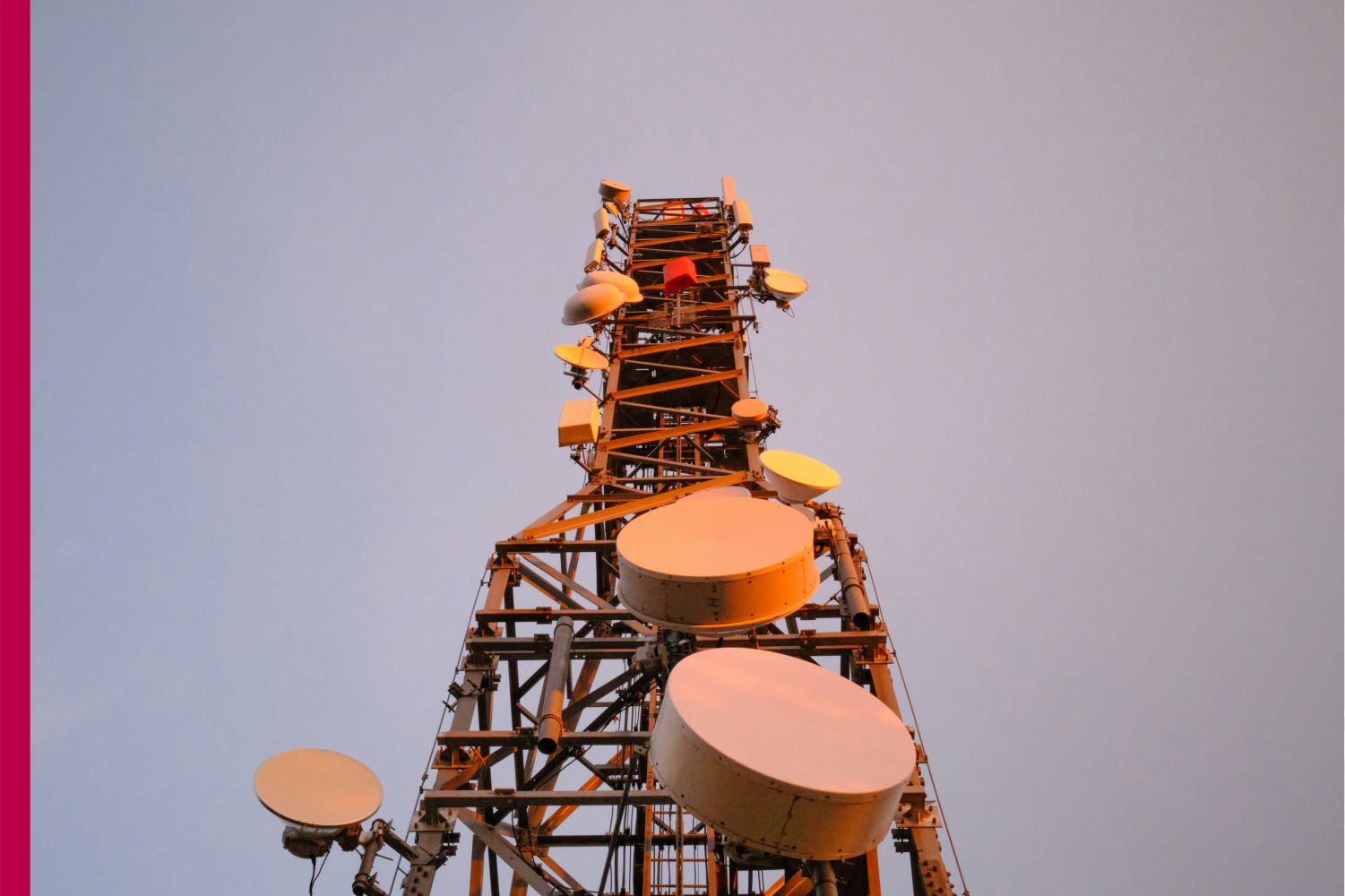
Cellular communication technologies play a crucial role in enabling mobile connectivity. Starting from early generations focused on voice calls, cellular networks have evolved to support high-speed data, video streaming, and advanced digital services. Modern cellular systems, including 4G and 5G, are developed under standards coordinated by the 3rd Generation Partnership Project. These networks provide wide-area coverage, seamless mobility, and support for millions of connected devices, making them essential for smartphones, connected vehicles, and smart cities.
Satellite communication is another important wireless technology, especially for remote and underserved regions. By transmitting signals between Earth and satellites in orbit, satellite communication enables television broadcasting, global positioning systems (GPS), weather monitoring, and long-distance data transmission. It is particularly valuable in areas where terrestrial infrastructure is limited or unavailable.
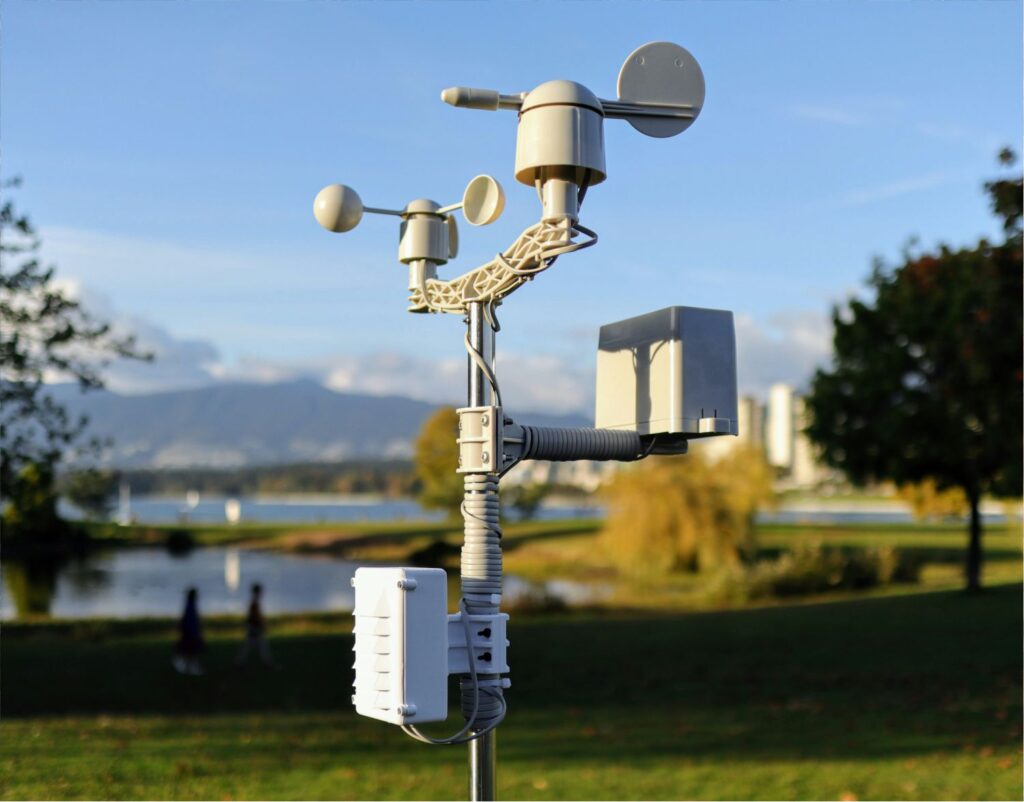
Wireless communication also underpins the rapid growth of the Internet of Things (IoT). IoT technologies connect sensors, machines, and everyday objects, enabling real-time data collection and automation. Wireless protocols designed for IoT focus on low power usage, long range, and reliable connectivity, supporting applications in agriculture, healthcare, manufacturing, and smart infrastructure.
Despite its many advantages, wireless communication faces challenges such as signal interference, security risks, limited spectrum availability, and latency issues. To address these challenges, ongoing research focuses on advanced modulation techniques, spectrum sharing, network optimization, and stronger encryption methods.
In conclusion, wireless communication technologies are fundamental to modern life, enabling seamless connectivity across personal, commercial, and industrial domains. As digital transformation accelerates and demand for faster, more reliable connections grows, wireless technologies will continue to evolve, shaping the future of communication, innovation, and global connectivity.